Have you ever wondered if massaging a sprained finger can actually help you heal faster? When your finger gets injured, it’s natural to want to ease the pain and get back to normal quickly.
But is massage a smart move or could it make things worse? You’re about to discover what experts say about this common question. Keep reading to learn how to treat your sprained finger the right way and avoid mistakes that could slow down your recovery.
Your hand’s health matters, and knowing the truth could make all the difference.
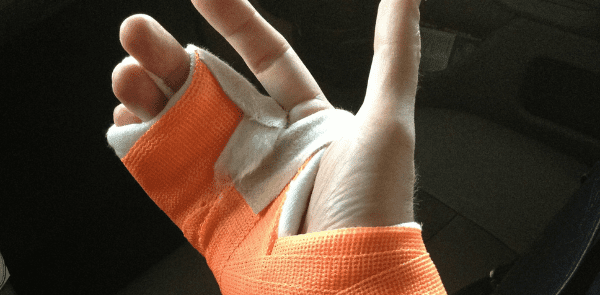
Causes And Symptoms Of Finger Sprains
Finger sprains happen when the ligaments in your finger stretch or tear. Ligaments connect bones and keep joints stable. Sprains can cause pain and swelling, making it hard to move your finger. Knowing the causes and symptoms helps you act quickly. Early care can prevent further damage and speed up healing.
Common Injury Scenarios
Finger sprains often occur during sports. Catching a ball wrong or hitting a hard surface can cause injury. Falls are another common cause. Landing on an outstretched hand can twist or bend fingers unnaturally. Everyday accidents, like door slams or heavy objects falling on fingers, also lead to sprains.
Signs To Watch For
Pain is the first sign of a sprained finger. It may worsen with movement. Swelling and bruising often appear soon after injury. The finger might feel stiff or weak. Sometimes, bending or straightening the finger becomes hard. Watch for a popping sound at the moment of injury, which may indicate a sprain.
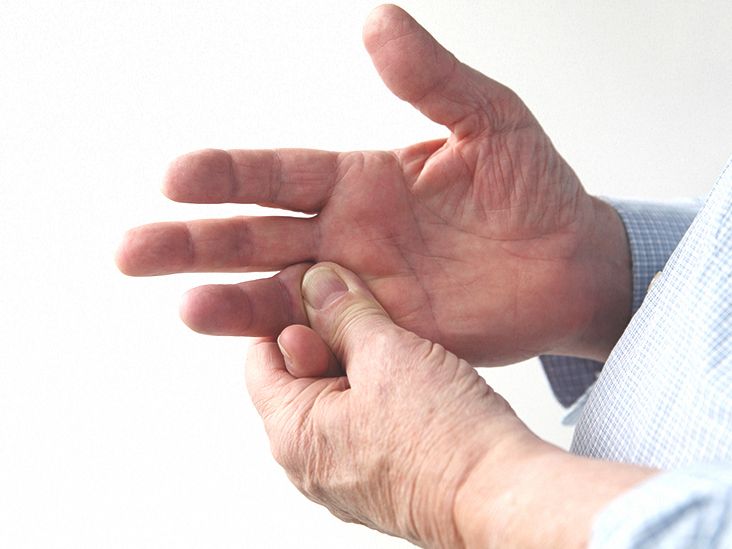
Benefits Of Massaging A Sprained Finger
Massaging a sprained finger offers several helpful benefits during recovery. It can support healing by improving circulation and easing tension. Gentle massage helps the injured area feel better.
Understanding these benefits can guide safe and effective care for a sprained finger. Careful massage aids in regaining movement and comfort.
Improving Blood Flow
Massage boosts blood flow to the sprained finger. Better circulation brings oxygen and nutrients to the injured tissues. This helps the body repair damaged cells faster. It also removes waste products from the injury site. Good blood flow speeds up healing and reduces pain.
Reducing Stiffness
Finger stiffness often follows a sprain. Massaging the area gently loosens tight muscles and joints. This improves flexibility and makes finger movement easier. Regular massage can prevent stiffness from becoming a long-term problem. It supports a quicker return to normal hand use.
When To Avoid Massaging
Knowing when to avoid massaging a sprained finger is important. Massaging at the wrong time can make the injury worse. Pay close attention to your finger’s condition before starting any massage. Some signs show that massage is unsafe and can delay healing.
Severe Pain And Swelling
Do not massage if your finger has severe pain or swelling. These signs often mean the injury is fresh or serious. Massaging now can increase swelling and pain. Rest and ice are better options until swelling goes down. Seek medical advice if pain or swelling gets worse.
Open Wounds Or Fractures
Never massage a finger with open wounds or fractures. Open wounds risk infection if touched or massaged. Fractures need proper medical treatment and immobilization. Massaging broken bones can cause more damage and delay healing. Always get a professional check before trying massage on these injuries.
Safe Massage Techniques
Massaging a sprained finger can help reduce pain and stiffness. But using safe massage techniques is very important. This protects the finger from more harm. It also supports healing and comfort.
Knowing how to move and press the finger gently helps. Careful massage can improve blood flow. It also relaxes tight muscles and eases swelling. Here are simple steps for safe massage after a finger sprain.
Gentle Movements
Start with very soft and slow movements. Use your other hand to move the finger slightly. Avoid bending or twisting it too much. Small circles or light strokes around the injured area work best.
Keep the finger relaxed. Stop if you feel sharp pain or discomfort. Gentle touch helps the body heal without causing more damage.
Proper Pressure Application
Use light pressure with your fingertips. Press just enough to feel a soothing effect. Avoid deep or hard pressure on the sprain. Too much force can cause bleeding or swelling.
Focus on the muscles around the finger, not the joint itself. Gradually increase pressure only if the finger feels better. Always listen to your body’s signals during massage.
Alternative Treatments To Consider
Sprained fingers need care beyond massage. Some treatments help reduce pain and swelling. They also support healing. These options work well and are easy to follow.
Rest And Immobilization
Rest is key for a sprained finger. Avoid moving the finger too much. This helps stop further injury. Use a splint or tape to keep the finger still. Immobilization protects the finger and helps it heal faster.
Cold And Heat Therapy
Cold therapy reduces swelling and numbs pain. Apply an ice pack for 15 minutes every hour. Wrap ice in a cloth to protect the skin. After two days, switch to heat therapy. Heat relaxes muscles and improves blood flow. Use a warm towel or heating pad for 20 minutes. Alternate between cold and heat for best results.
:max_bytes(150000):strip_icc()/sprained-finger-2549470-final-7907bfb9051542e3ae007465a1fc2f04.png)
When To Seek Professional Help
Knowing when to seek professional help for a sprained finger is very important. Some signs show that the injury needs more than home care. Early care can prevent long-term problems. Watch for these warning signals to protect your finger.
Persistent Pain
Pain that does not go away after a few days is a concern. Constant pain may mean the sprain is severe. It could also show a fracture or ligament damage. A doctor can check and give the right treatment. Avoid massaging if pain keeps growing or stays sharp.
Limited Mobility
Difficulty moving your finger is a clear warning sign. If your finger feels stiff or locked, seek help. Limited movement might mean torn ligaments or joint issues. A professional can assess and suggest therapy or support. Early treatment helps restore motion and strength.
Frequently Asked Questions
Can Massaging A Sprained Finger Help Reduce Pain?
Yes, gentle massage can improve blood flow and reduce pain. Avoid deep pressure to prevent worsening the injury. Always consult a healthcare professional before starting massage therapy on a sprained finger.
When Is It Safe To Massage A Sprained Finger?
Massage should only begin after the initial swelling and pain decrease, usually after 48-72 hours. Early massage can cause more damage. Follow your doctor’s advice to ensure safe recovery.
What Massage Techniques Are Best For Sprained Fingers?
Use light, circular motions with gentle pressure around the injury. Avoid massaging directly on the swollen or painful area. This helps improve circulation and promotes healing without causing harm.
Can Massage Speed Up Sprained Finger Recovery?
Massage may aid recovery by improving blood flow and reducing stiffness. However, it should complement rest, ice, compression, and elevation (RICE) treatment. Massage alone cannot heal a sprain faster without proper care.
Conclusion
Massaging a sprained finger can help if done gently and at the right time. Avoid massage right after injury to prevent more pain. Light massage may improve blood flow and reduce stiffness later. Always listen to your body and stop if it hurts.
Seek medical advice if swelling or pain lasts long. Careful treatment helps fingers heal faster and stay strong. Rest, ice, and gentle movement work well together. Healing takes time. Be patient and gentle with your finger.
Related massage chair reviews:
 Which Osaki Massage Chair is Best? 50 Osakis Tested and Reviewed!
 50 Best 4D Massage Chairs Reviewed by Real Customers 2026
 50 Best Ergonomic Massage Chairs Perfect for Tall Individuals Reviewed 2026
 The 45 Best Utopia 3d Massage Chair Rated for 2026
 Best Massage Chairs Under $2000: Your Relaxation Reviews for 2026
 The Best 35 Affordable Full Body Massage Chairs Under $1000 Reviewed