How to Massage for Plantar Fasciitis: Effective Relief Techniques
Affiliate links — we may earn a commission
If you suffer from sharp pain in your heel or along the bottom of your foot, you’re not alone. Plantar fasciitis can make every step painful and frustrating.
But what if you could ease that pain with simple massage techniques you can do yourself? You’ll discover easy, effective ways to massage your foot to reduce discomfort and speed up healing. Keep reading, and take control of your foot pain starting now.
Causes And Symptoms
Understanding the causes and symptoms of plantar fasciitis helps in managing the pain. Plantar fasciitis happens when the thick band of tissue under the foot gets irritated or inflamed. This band, called the plantar fascia, connects the heel to the toes. Knowing what triggers the condition and spotting the signs early can make treatment easier.
What Triggers Plantar Fasciitis
Plantar fasciitis often starts from repeated stress on the foot. Standing for long hours without rest can cause strain. Wearing shoes with poor support adds pressure. Sudden increases in physical activity also play a role. Being overweight puts extra load on the feet. Tight calf muscles limit foot movement, raising risk. Flat feet or high arches can create uneven stress.
Recognizing Common Signs
Heel pain is the most common symptom of plantar fasciitis. The pain usually feels sharp and stabbing. It is worse in the morning or after rest. Walking or standing for a long time can increase discomfort. Swelling or stiffness around the heel may appear. Some people notice tenderness when touching the bottom of the foot. These signs show the plantar fascia is irritated and needs care.
Benefits Of Massage
Massage offers many benefits for people with plantar fasciitis. It helps soothe sore feet and supports healing. Regular massage can improve foot function and reduce discomfort. Simple massage techniques can make a big difference in daily life.
How Massage Helps Heal
Massage boosts blood flow to the injured area. This increased circulation brings oxygen and nutrients to the plantar fascia. It helps damaged tissues repair faster. Massage also breaks down scar tissue that forms from injury. This makes the foot more flexible and less stiff.
Reducing Pain And Inflammation
Massage relaxes tight muscles and eases tension. It lowers pain signals sent to the brain. Gentle pressure reduces swelling by moving fluid away from the foot. Massage calms inflammation, which is a main cause of pain. This relief allows better movement and less discomfort.
Preparation Tips
Preparing for a plantar fasciitis massage helps improve results. A calm, neat space supports relaxation. Choosing the right tools and oils makes the massage more effective and soothing. These tips help you get ready for a good session.
Creating A Comfortable Space
Pick a quiet room with soft lighting. Use a chair or couch that supports your foot well. Keep the temperature warm but not hot. Remove distractions like phones or loud noises. A clean area makes the massage feel fresh and inviting.
Tools And Oils To Use
Use a small ball or massage stick for deep pressure. A tennis ball or frozen water bottle can work well. Choose gentle oils like coconut or olive oil. They help your hands glide smoothly over the skin. Avoid oils that may irritate sensitive feet.
Basic Massage Techniques
Massaging the foot can help ease pain from plantar fasciitis. Basic massage techniques improve blood flow and relax tight muscles. These simple methods reduce tension in the plantar fascia and support healing. Practice these techniques regularly for best results.
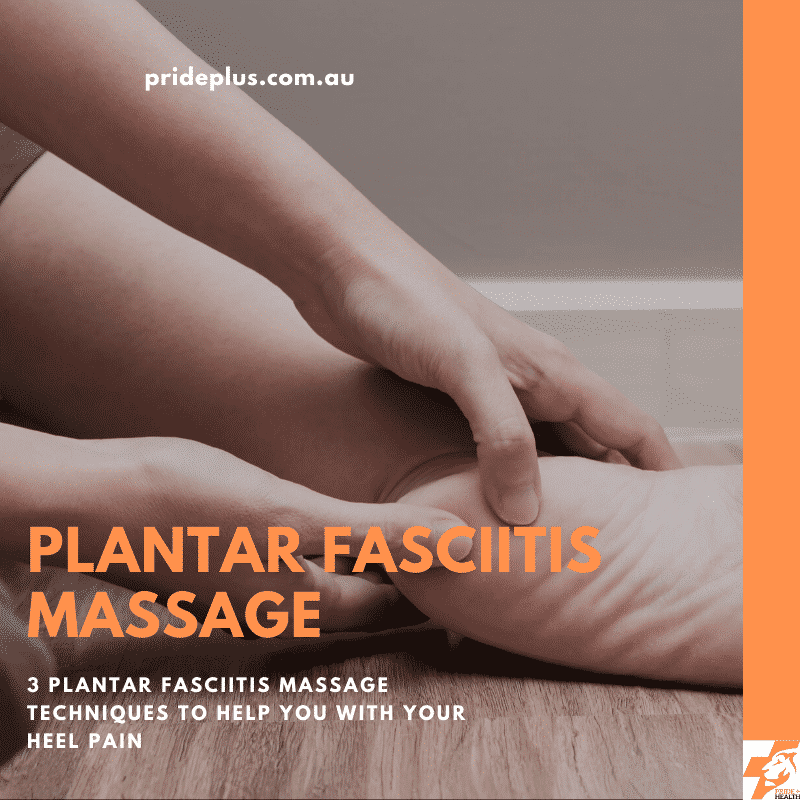
Thumb Press And Release
Use your thumb to press the arch of your foot. Apply firm but gentle pressure. Hold the press for about 5 seconds, then slowly release. Repeat this motion along the entire arch. This helps loosen the tight tissues and reduces pain.
Rolling With A Tennis Ball
Place a tennis ball under your foot. Roll your foot back and forth over the ball. Use gentle pressure to massage the bottom of your foot. This action targets sore spots and helps break up muscle knots. Do this for 2 to 3 minutes each day.
Stretching The Arch
Sit down and cross one foot over your other knee. Hold your toes and gently pull them toward you. This stretch lengthens the plantar fascia and calf muscles. Hold the stretch for 15 to 20 seconds. Repeat 3 times on each foot to improve flexibility.
Advanced Methods
Advanced methods for massaging plantar fasciitis help target deep pain and improve healing. These techniques reach beyond simple rubbing. They focus on loosening tight tissue and improving blood flow.
Using these methods can reduce discomfort faster. They also support better foot movement and flexibility. Careful practice is important to avoid extra pain.
Deep Tissue Massage Moves
Deep tissue massage uses firm pressure to reach the plantar fascia. Use your thumbs to press into the arch of your foot. Move slowly from the heel to the toes. Focus on areas that feel tight or sore.
Work in small circles or long strokes. Avoid pressing too hard, which can hurt more. Spend about five minutes on this each session. This helps break down scar tissue and ease tension.
Using A Massage Roller
A massage roller can apply steady pressure to the foot. Place the roller under your arch. Roll your foot back and forth over it. Use your body weight to control pressure.
Roll for two to three minutes daily. This method helps relax muscles and increase blood flow. It also supports gentle stretching of the plantar fascia. Choose a roller with a firm but smooth surface.
Combining Massage With Stretching
Massage works best when combined with stretching exercises. After massaging, stretch your foot by pulling your toes toward your shin. Hold for 15 to 30 seconds.
Repeat this stretch two to three times. Stretching keeps the plantar fascia flexible and reduces tightness. Use massage first to warm up the tissue. This combination helps reduce pain and improve healing speed.

Precautions And When To Avoid
Massaging the foot can help ease plantar fasciitis pain. Yet, it is important to take precautions. Massaging the wrong way or at the wrong time can cause more harm than good. Knowing when to stop and when to ask for help keeps you safe.
Signs To Stop Massaging
Stop massaging if pain grows stronger. Sharp or burning pain is a bad sign. Swelling or redness after massage means irritation. Numbness or tingling in the foot can show nerve issues. If the foot feels very tender or bruised, avoid massage. These signs show damage or infection. Do not continue massaging in such cases.
Consulting A Professional
See a doctor or physical therapist before starting massage. They can check if massage suits your condition. Some health problems need special care. Professionals can teach you safe massage techniques. They may suggest other treatments to try first. Always get advice if unsure about massaging your foot.
Additional Relief Strategies
Managing plantar fasciitis needs more than just massage. Using extra methods helps reduce pain and speeds healing. These strategies support your foot and ease pressure on the plantar fascia.
Footwear Choices
Wearing the right shoes protects your feet. Choose shoes with good arch support and cushioning. Avoid flat shoes or high heels that strain your foot. Replace old shoes often to keep support strong. Insoles designed for plantar fasciitis can also help. They add comfort and reduce stress on the foot.
Home Remedies To Complement Massage
Simple home treatments improve relief from plantar fasciitis. Ice your foot for 15 minutes after massage sessions to reduce swelling. Stretch your calf and foot muscles daily to keep them flexible. Use a tennis ball or frozen bottle to roll under your foot. This helps relax tight areas and eases pain. Rest your foot when sore to avoid extra damage.

Frequently Asked Questions
How Does Massage Help Plantar Fasciitis Pain?
Massage improves blood flow and relaxes the plantar fascia. It reduces inflammation and eases tension in the foot muscles. This helps relieve pain and speeds up recovery from plantar fasciitis.
What Techniques Are Best For Plantar Fasciitis Massage?
Focus on deep tissue massage and myofascial release. Use your thumbs to apply firm pressure along the foot arch. Rolling a tennis ball under the foot also helps loosen tight fascia.
How Often Should I Massage Plantar Fasciitis?
Massage your foot daily or at least 3-4 times a week. Consistent massage promotes healing and reduces stiffness. Avoid over-massaging to prevent irritation or soreness.
Can Massage Prevent Plantar Fasciitis From Worsening?
Yes, regular massage keeps the fascia flexible and reduces strain. It prevents scar tissue buildup and promotes proper foot alignment. This helps stop plantar fasciitis from becoming more severe.
Conclusion
Massaging your foot can ease plantar fasciitis pain effectively. Use gentle pressure and focus on the heel and arch. Regular massage helps reduce stiffness and improves blood flow. Combine massage with stretching for better results. Be patient; healing takes time and care.
Always listen to your body and avoid too much force. Consistency matters more than intensity. This simple routine can bring relief and support your foot’s health. Try it daily to feel the difference. Small steps lead to big improvements.

giveitlegs@live.com
Contributing writer covering The world's #1 massage chair review and ratings site for all of your luxury massage chair needs..
Related massage chair reviews:
 Which Osaki Massage Chair is Best? 50 Osakis Tested and Reviewed!
 50 Best 4D Massage Chairs Reviewed by Real Customers 2026
 50 Best Ergonomic Massage Chairs Perfect for Tall Individuals Reviewed 2026
 The 45 Best Utopia 3d Massage Chair Rated for 2026
 Best Massage Chairs Under $2000: Your Relaxation Reviews for 2026
 The Best 35 Affordable Full Body Massage Chairs Under $1000 Reviewed