Your neck works hard every day, carrying the weight of your head and the stress you don’t even realize. If you often feel tightness or discomfort there, a simple neck massage could be your secret weapon to relief.
But how do you give a neck massage that actually works? You want to know the right moves, the pressure to apply, and how to avoid causing more tension. Keep reading, and you’ll learn easy, effective techniques that anyone can use to soothe neck pain and help you or someone you care about feel instantly better.
This guide will change the way you think about relaxation—right from your own hands.

Benefits Of Neck Massage
Neck massage offers many benefits for both the body and mind. It helps ease pain and stiffness in the neck area. This simple practice can improve overall well-being. Understanding these benefits encourages regular neck massage for better health.
Regular neck massage can make daily life more comfortable and relaxed. It supports physical health and helps reduce stress levels. Let’s explore the main benefits of neck massage.
Relief From Muscle Tension
Neck muscles often become tight from poor posture or stress. A massage helps relax these muscles quickly. It reduces stiffness and lowers pain in the neck and shoulders. This relief allows easier movement and less discomfort.
Improved Blood Circulation
Massaging the neck boosts blood flow in the area. Better circulation helps deliver oxygen and nutrients to muscles. It also helps remove waste products from tissues. This process speeds up healing and keeps the neck healthy.
Stress Reduction
Neck massage calms the nervous system and lowers stress hormones. It promotes relaxation and reduces feelings of anxiety. This calming effect improves mood and supports mental health. A relaxed neck often leads to a relaxed mind.
Enhanced Flexibility
Massage helps keep neck muscles flexible and loose. This flexibility reduces the risk of injury and stiffness. It allows easier and more comfortable neck movements. Regular massage supports better posture and overall mobility.
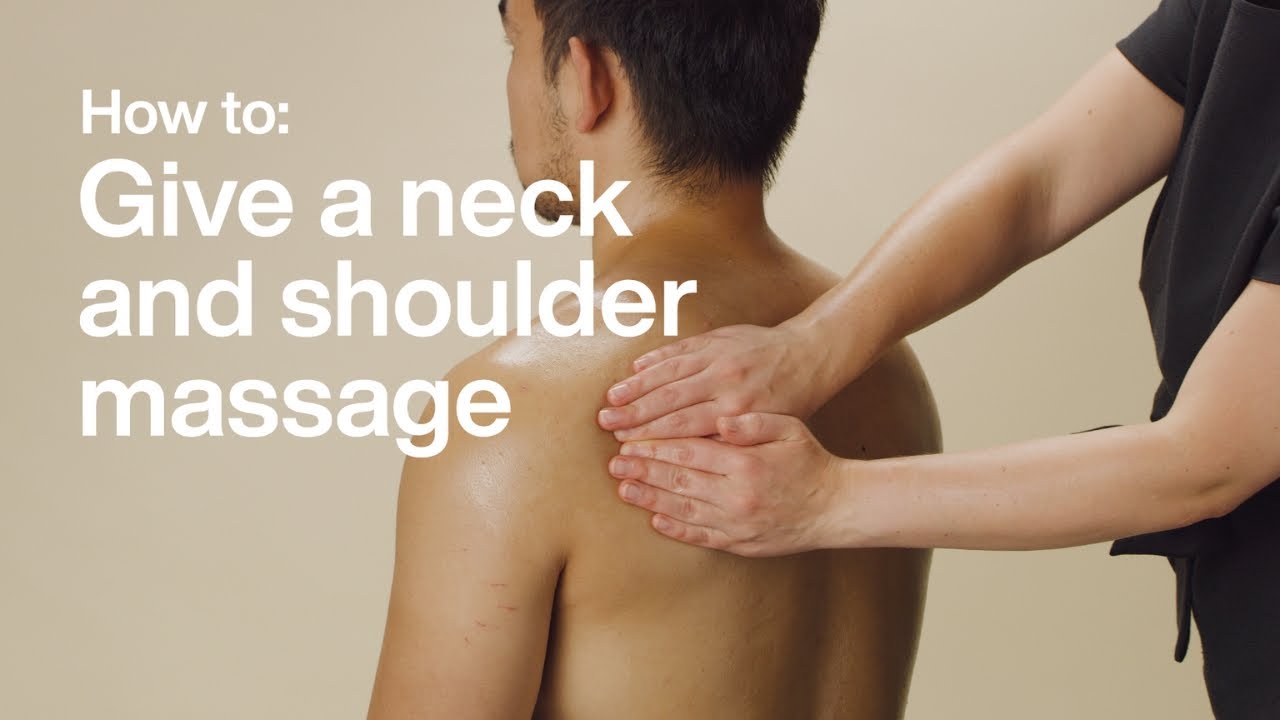
Preparation For Neck Massage
Preparing for a neck massage sets the stage for a relaxing and effective experience. Taking time to get ready helps both the giver and receiver feel calm and comfortable. This preparation lowers stress and helps the muscles relax faster. Focus on creating a peaceful environment and gathering all needed items. Also, knowing basic neck anatomy prevents discomfort and injury.
Choosing The Right Environment
Select a quiet and warm room with soft lighting. Avoid loud noises or distractions. A calm space helps the person receiving the massage relax deeply. Use a comfortable chair or a massage table. Ensure good support for the head and neck. Keep the room at a comfortable temperature. Fresh air or soft scents can enhance relaxation.
Gathering Necessary Tools
Have all tools ready before starting the massage. Use massage oil or lotion to reduce friction. Warm the oil in your hands for a gentle touch. Keep clean towels nearby to wipe excess oil. A small pillow or rolled towel can support the neck. Have water available to stay hydrated after the massage.
Understanding Neck Anatomy
Know the main muscles in the neck, like the trapezius and sternocleidomastoid. These muscles often hold tension and knots. Avoid pressing directly on the spine or throat. Use gentle pressure on muscles and soft tissues. Understanding basic neck structure helps prevent pain and injury. This knowledge improves massage effectiveness and comfort.
Techniques For Neck Massage
Techniques for neck massage focus on easing tension and improving blood flow. Using the right methods helps relax muscles and reduce pain. Each technique targets different muscle layers and pressure points. Follow these simple steps for a calming and effective neck massage.
Effleurage Strokes
Effleurage is a gentle, gliding stroke. Use the palms to move smoothly over the neck skin. Start at the base of the skull and slide down to the shoulders. Repeat several times to warm the muscles and prepare them for deeper work.
Kneading Movements
Kneading involves pressing and rolling muscles between fingers and thumbs. Focus on the sides and back of the neck. Use a firm but comfortable pressure. This motion helps release muscle knots and boosts circulation.
Trigger Point Release
Trigger points are tight spots in muscles that cause pain. Apply steady, gentle pressure on these points with your fingers. Hold the pressure for 10 to 15 seconds until tension eases. This technique relieves stiffness and discomfort.
Circular Friction
Circular friction uses small, deep circles with fingertips. Work slowly on tight areas to break up muscle tightness. Move in a clockwise or counterclockwise direction. This method increases blood flow and helps muscles relax.
Tips For Safe Massage
Giving a neck massage can help relieve tension and stress. Safety is very important. Follow these tips to avoid pain and injury. Keep the massage gentle and comfortable for the person receiving it.
Avoiding Sensitive Areas
Some parts of the neck are very delicate. Avoid pressing directly on the spine or the front of the throat. Do not massage swollen or painful areas. Stay clear of any lumps or bumps. Focus on the muscles on the sides and back of the neck.
Communicating With The Recipient
Talk with the person during the massage. Ask if the pressure feels good or too strong. Listen carefully to their feedback. Stop immediately if they feel pain or discomfort. Good communication makes the massage safe and pleasant.
Adjusting Pressure Appropriately
Use light to medium pressure for most neck massages. Start softly and increase pressure slowly. Avoid deep or hard pressing on the neck muscles. Everyone has a different comfort level. Always adjust your touch based on the person’s response.
Aftercare For Lasting Relief
After giving a neck massage, proper care helps keep the relief longer. Taking a few simple steps supports your muscles and avoids stiffness. These aftercare tips improve how your neck feels for hours or even days.
Stretching Exercises
Stretch your neck gently after the massage. Tilt your head slowly from side to side. Roll your shoulders back to ease tension. These stretches keep muscles flexible and reduce soreness. Do each stretch for 10 to 15 seconds. Avoid fast or sharp movements to prevent pain.
Hydration Importance
Drink plenty of water after your neck massage. Water helps flush out toxins released during the massage. Staying hydrated supports muscle recovery and reduces stiffness. Aim to drink at least 8 glasses of water daily. Avoid caffeine or alcohol, as they can dehydrate you.
When To Seek Professional Help
Notice any sharp pain or swelling after the massage? These are signs to see a doctor. Persistent numbness or weakness needs medical attention. If pain lasts more than two days, consult a healthcare professional. Always stop self-massage if discomfort increases.

Frequently Asked Questions
How Do You Prepare For A Neck Massage?
Start by creating a calm environment with soft lighting and minimal noise. Use a comfortable chair or surface. Warm your hands and apply light oil or lotion to reduce friction. Encourage relaxation by asking the person to breathe deeply before starting the massage.
What Techniques Are Best For Neck Massage?
Use gentle kneading, circular motions, and light tapping on the neck muscles. Focus on the base of the skull, sides of the neck, and shoulders. Avoid pressing directly on the spine. Adjust pressure based on comfort and always communicate with the person receiving the massage.
How Long Should A Neck Massage Last?
A neck massage typically lasts between 5 to 15 minutes. This is enough to relieve tension without causing discomfort. Beginners should start with shorter sessions and gradually increase time as they become more skilled and comfortable with the techniques.
Can A Neck Massage Relieve Headaches?
Yes, neck massages can reduce tension headaches by relaxing tight muscles. Improved blood flow in the neck area helps ease pain and stiffness. Regular massages may also reduce the frequency and intensity of headaches caused by muscle tension.
Conclusion
Giving a neck massage can help relieve tension and stress. Use gentle, steady pressure and smooth motions. Pay attention to the person’s comfort and avoid pain. Practicing regularly improves your technique and confidence. A simple neck massage can boost relaxation and well-being.
Try these tips today and feel the difference. Small steps create calm moments in busy days. Keep it simple, kind, and focused. Your hands can bring real comfort.
Related massage chair reviews:
 Which Osaki Massage Chair is Best? 50 Osakis Tested and Reviewed!
 50 Best 4D Massage Chairs Reviewed by Real Customers 2026
 50 Best Ergonomic Massage Chairs Perfect for Tall Individuals Reviewed 2026
 The 45 Best Utopia 3d Massage Chair Rated for 2026
 Best Massage Chairs Under $2000: Your Relaxation Reviews for 2026
 The Best 35 Affordable Full Body Massage Chairs Under $1000 Reviewed