Have you ever felt that sharp ache after a workout or a sudden movement? Strained muscles can be painful and slow you down.
You might be wondering if massage is the answer to easing that discomfort. Can a simple massage really help your muscle heal faster and feel better? Keep reading to discover how massage can affect your strained muscle and what you should know before trying it.
Your body deserves the best care, and understanding this could be the key to a quicker recovery.
How Muscle Strains Occur
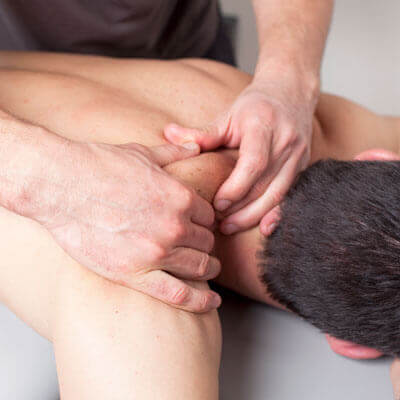
Muscle strains happen when muscle fibers stretch too far or tear. This damage causes pain and limits movement. Understanding how strains occur helps in managing and preventing them. Muscles work by contracting and relaxing. Sudden or strong movements can overload the muscle. Overuse or poor technique also stresses muscles. These actions lead to small injuries that build up into a strain.
Common Causes
Strains often result from lifting heavy objects incorrectly. Sudden twists or falls also cause muscle damage. Repeating the same movement many times tires muscles. Lack of warm-up before exercise raises strain risk. Weak muscles or poor flexibility make injury more likely. Sports activities and manual work put muscles under stress.
Symptoms To Watch
Pain is the main sign of a muscle strain. Swelling and bruising may appear soon after injury. Muscle weakness or spasms happen in many cases. Difficulty moving the affected area is common. Tenderness when touching the muscle shows damage. Early recognition helps to treat the strain properly.
Massage Benefits For Strains
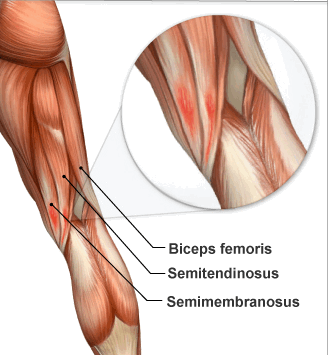
Massage offers several benefits for strained muscles. It helps the body heal and eases discomfort. Understanding these benefits shows why massage is often part of recovery plans.
Pain Reduction
Massage helps lower pain by calming nerve endings. It blocks pain signals from reaching the brain. Gentle pressure can reduce muscle tightness and soreness. This makes movement easier and less painful.
Improved Blood Flow
Massage boosts circulation to the injured area. Better blood flow brings oxygen and nutrients to the muscle. It helps remove waste products that cause stiffness. This speeds up the healing process and reduces swelling.
Muscle Relaxation
Massage relaxes tight muscles and soft tissues. It releases tension that builds after a strain. Relaxed muscles recover faster and feel less stiff. This also lowers the risk of further injury.
Types Of Massage For Muscle Strain
Massage can ease the pain of a strained muscle. Different types of massage work in different ways. Each type targets muscle strain in its own style. Knowing these types helps to pick the right one.
Deep Tissue Massage
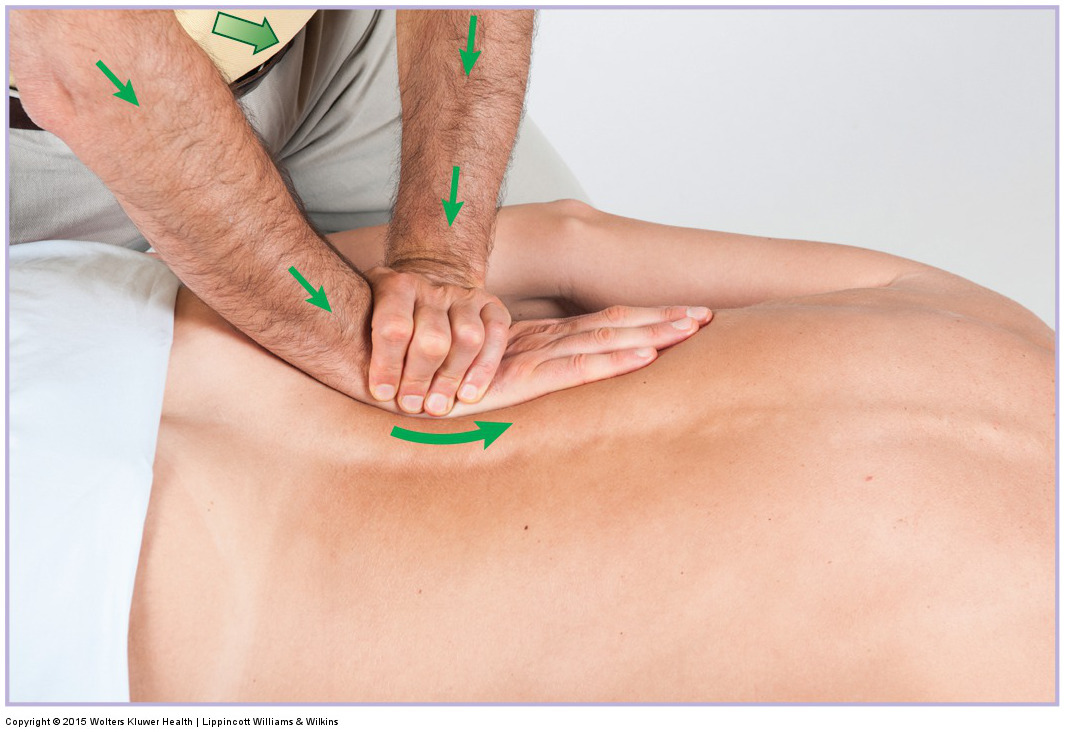
Deep tissue massage uses firm pressure to reach deeper muscle layers. It breaks down tight knots and scar tissue. This massage helps increase blood flow to the injured area. It reduces muscle tension and improves healing speed. It works well for chronic muscle strain and stiffness.
Swedish Massage
Swedish massage uses long, smooth strokes and gentle kneading. It helps relax muscles and improve circulation. This type is less intense and good for mild muscle strain. It also reduces stress and promotes overall relaxation. It supports muscle recovery by easing soreness.
Trigger Point Therapy
Trigger point therapy focuses on tight spots in the muscle. These points can cause pain in other body parts. The therapist applies pressure to release these knots. This helps reduce muscle tightness and improves motion. It is effective for stubborn muscle strain and pain.
When To Avoid Massage
Massage can ease pain and speed recovery for many muscle strains. Yet, it is not always safe. Knowing when to avoid massage is important. Some conditions make massage harmful or slow healing.
Severe Injuries
Do not massage severe muscle injuries. Deep tears or major bruises need medical care first. Massage may worsen damage or cause more pain. Wait until a doctor clears the injury for massage therapy.
Inflammation Risks
Avoid massage during active inflammation. Swelling, redness, and heat show inflammation. Massage can increase blood flow and make swelling worse. Let inflammation calm down before trying massage on the muscle.
Additional Relief Tips
Massage can ease a strained muscle, but other actions help too. These tips reduce pain and speed healing. Combining them with massage gives better relief. Here are some simple steps to follow.
Rest And Ice
Rest lets the muscle heal without more damage. Avoid heavy activity for a few days. Apply ice packs to reduce swelling and pain. Use ice for 15 minutes every hour if possible. Wrap the ice in cloth to protect your skin.
Stretching Exercises
Gentle stretches help keep muscles flexible. Start only when pain lessens. Stretch slowly and hold each position for 20 seconds. Avoid bouncing or forcing the stretch. Regular stretching can prevent stiffness and improve recovery.
Over-the-counter Remedies
Pain relievers like ibuprofen or acetaminophen ease discomfort. Follow the directions on the package carefully. These medicines reduce inflammation and help you move easier. Use them only for a short time, not as a long-term solution.
When To Seek Medical Help
Knowing when to seek medical help for a strained muscle is important. Most strains improve with rest and massage. Some cases need a doctor’s care to avoid complications. Watch your symptoms closely. Act quickly if warning signs appear.
Persistent Pain
Persistent pain means the pain lasts more than a few days. It may get worse or stay the same. Pain that does not improve with rest and massage needs a doctor’s check. This pain can indicate a serious muscle injury or tear.
Limited Mobility
Limited mobility means you cannot move the muscle or joint well. Stiffness or weakness that stops normal movement is a red flag. Difficulty walking or using the injured area shows the problem may be severe. A medical exam can find the cause and suggest treatment.
Frequently Asked Questions
Does Massage Reduce Pain In A Strained Muscle?
Yes, massage helps reduce pain by improving blood flow and relaxing tight muscles. It promotes healing and eases muscle tension effectively.
How Soon Can I Massage A Strained Muscle?
Wait at least 48 hours after injury before massaging. Early massage may worsen inflammation, but gentle techniques aid recovery after initial swelling.
What Type Of Massage Is Best For Muscle Strain?
Swedish and deep tissue massages are ideal. They improve circulation, reduce stiffness, and promote faster muscle repair without causing further damage.
Can Massage Prevent Muscle Strain Recurrence?
Regular massage improves muscle flexibility and strength. This reduces injury risk and helps maintain healthy muscles, lowering chances of future strains.
Conclusion
Massage can ease pain and help muscles heal faster. It improves blood flow to the injured area. This brings nutrients and removes waste quickly. Gentle massage reduces stiffness and boosts flexibility. Avoid deep pressure on a fresh injury. Rest and proper care remain important too.
Use massage as part of your recovery plan. It supports healing but does not replace medical advice. Feeling better takes time and patience. Trust your body and treat it kindly.
Related massage chair reviews:
 Which Osaki Massage Chair is Best? 50 Osakis Tested and Reviewed!
 50 Best 4D Massage Chairs Reviewed by Real Customers 2026
 50 Best Ergonomic Massage Chairs Perfect for Tall Individuals Reviewed 2026
 The 45 Best Utopia 3d Massage Chair Rated for 2026
 Best Massage Chairs Under $2000: Your Relaxation Reviews for 2026
 The Best 35 Affordable Full Body Massage Chairs Under $1000 Reviewed