Are you wondering when you can get a prenatal massage safely during your pregnancy? If you’re feeling tired, achy, or just need some relaxing time, a prenatal massage might be exactly what you need.
But you probably want to know the best time to start so both you and your baby stay safe. Keep reading to discover the right moment for your first prenatal massage and how it can help you feel amazing throughout your pregnancy.
:max_bytes(150000):strip_icc()/pregnancy-massage-benefits-contraindications-and-safety-5190485-FINAL-c89f331227f24d5aa5a7e789c13c3a30.jpg)
Benefits Of Prenatal Massage
Prenatal massage offers many benefits for expecting mothers. It supports physical and emotional well-being during pregnancy. This gentle therapy helps ease common pregnancy challenges. Understanding these benefits can encourage more women to try prenatal massage safely.
Relief From Pregnancy Discomforts
Prenatal massage reduces muscle tension and joint pain. It targets areas like the lower back, hips, and legs. This massage helps with swelling by improving blood flow. Many pregnant women experience less discomfort after sessions. It can also reduce headaches caused by pregnancy stress.
Stress And Anxiety Reduction
Pregnancy can bring many worries and fears. Prenatal massage promotes relaxation by lowering stress hormones. It helps calm the nervous system and soothe the mind. This therapy creates a peaceful state, easing anxiety. Feeling relaxed supports a healthier pregnancy experience.
Improved Sleep Quality
Many pregnant women struggle with sleep problems. Prenatal massage encourages deeper and better sleep. It reduces pain and stress that interrupt rest. Better sleep helps the body and baby grow strong. Regular sessions can improve overall sleep patterns during pregnancy.
Ideal Timing For Prenatal Massage
Knowing the best time for a prenatal massage helps ensure safety and comfort. Different pregnancy stages affect how your body responds to massage therapy. Choosing the right timing can improve your experience and support your health.
First Trimester Considerations
The first trimester is a sensitive time. Many healthcare providers suggest waiting until after this period. This is due to the higher risk of miscarriage early on. If you feel stressed or tense, gentle self-care is better. Always check with your doctor before booking a massage.
Second Trimester Advantages
The second trimester is often the best time for prenatal massage. Morning sickness usually eases, and energy returns. Your baby bump grows, causing muscle tightness and back pain. Massage can help reduce discomfort and improve circulation. Therapists can safely work with your changing body during this time.
Third Trimester Precautions
The third trimester needs extra care. Your body is heavier, and certain positions may be uncomfortable. Avoid deep tissue massage or strong pressure on the abdomen. Some women may feel more sensitive to touch. Talk to your therapist about any pain or discomfort. Always follow your healthcare provider’s advice before massage.
Safety Tips For Prenatal Massage
Safety is very important when getting a prenatal massage. Pregnant bodies change a lot. Extra care helps avoid problems. Knowing some safety tips can make the massage relaxing and safe.
Choosing A Certified Therapist
Pick a therapist trained in prenatal massage. Certification shows they know safe methods. They understand how to handle pregnancy changes. Ask about their experience with pregnant clients. This ensures they use the right pressure and techniques.
Positions For Comfort And Safety
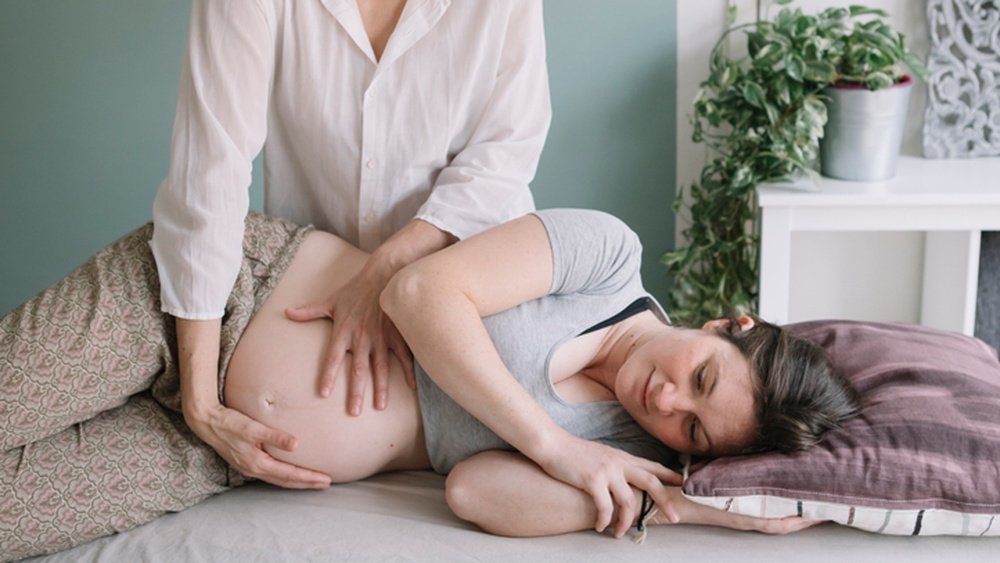
Comfort is key during prenatal massage. Lying flat on the back is not safe after the first trimester. Side-lying positions support the belly and back. Special pillows can help keep comfort and balance. The therapist should adjust positions as needed.
Avoiding Certain Pressure Points
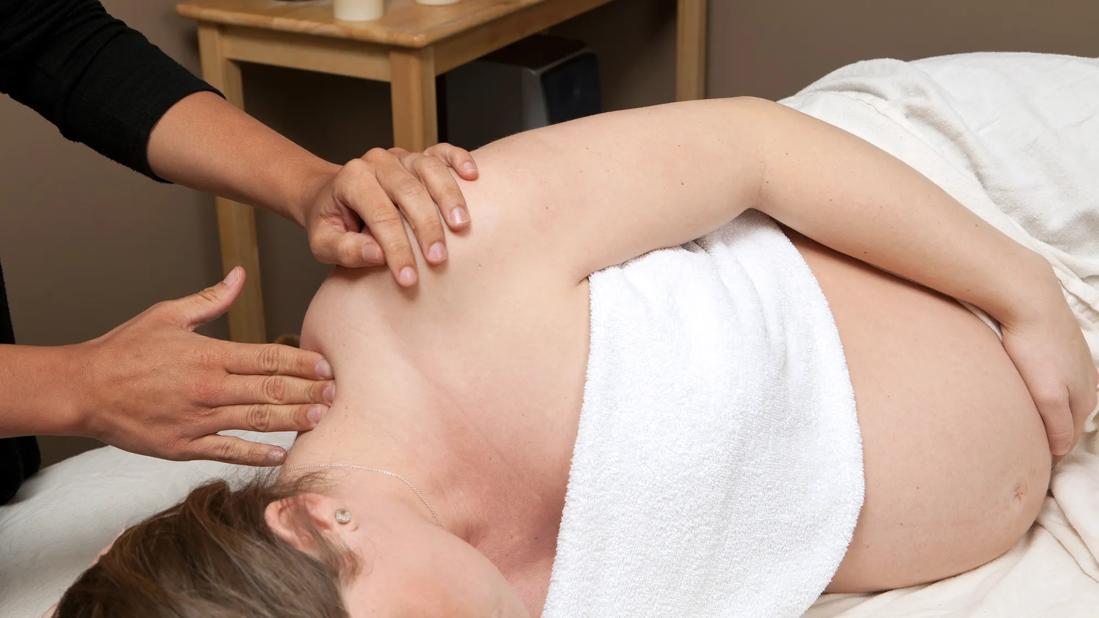
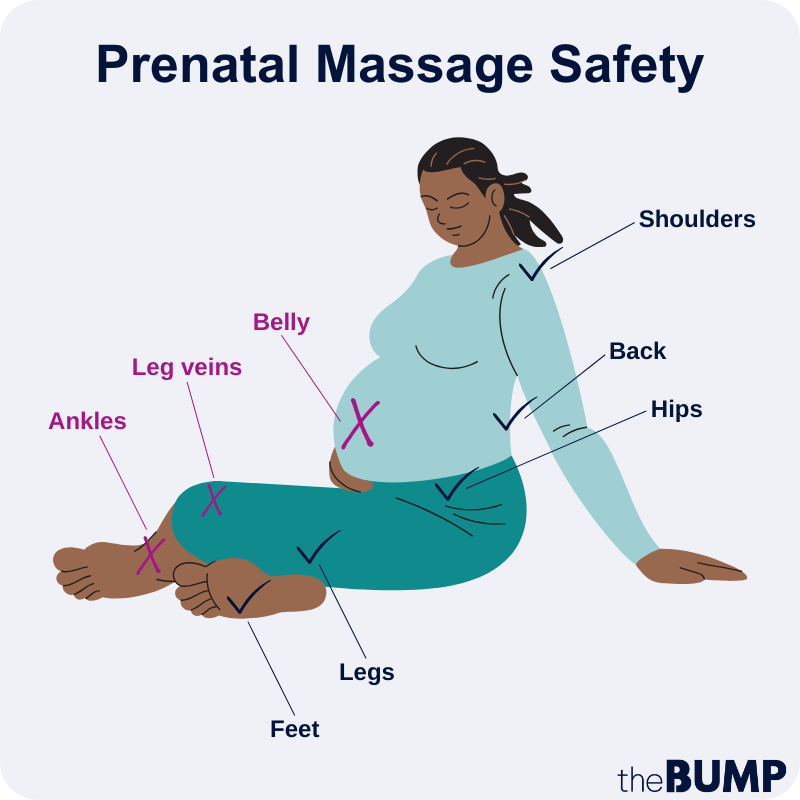
Some pressure points can cause contractions or discomfort. The therapist avoids points near the ankles and wrists. These areas might trigger early labor. Gentle pressure on the back and shoulders is safe. Clear communication helps avoid pain or discomfort during massage.
Types Of Prenatal Massage Techniques
Prenatal massage helps ease pregnancy discomfort and improve well-being. Different types of massage techniques suit various needs during pregnancy. Each method focuses on safety and comfort for both mother and baby. Understanding these types helps expectant mothers choose the best option.
Massage therapists use gentle and careful approaches to avoid any risk. These techniques can reduce swelling, relieve pain, and lower stress. Here are the main types of prenatal massage methods used by professionals.
Swedish Massage
Swedish massage uses soft, long strokes to relax muscles. It helps improve blood flow and reduce muscle tension. This type is gentle and safe for pregnant women. Therapists avoid deep pressure and sensitive areas. The goal is comfort and relaxation during pregnancy.
Deep Tissue Massage
Deep tissue massage targets deeper muscle layers. It helps relieve chronic pain and tightness. This technique is less common during pregnancy. It requires a skilled therapist to apply safe pressure. Usually, it is used only after the first trimester.
Aromatherapy And Its Role
Aromatherapy uses essential oils during massage for added benefits. Scents like lavender and chamomile promote calm and reduce anxiety. Therapists use only pregnancy-safe oils in small amounts. Aromatherapy enhances the massage experience gently and naturally.
When To Avoid Prenatal Massage
Prenatal massage offers many benefits, but it is not always safe. Certain conditions require avoiding this type of massage to protect both mother and baby. Knowing when to skip a prenatal massage is important for health and safety.
High-risk Pregnancy Factors
Some pregnancies are considered high risk. These include cases of preeclampsia, placenta previa, or early labor signs. Women with these conditions should avoid prenatal massage. It may increase risks or cause complications. Always share your medical history with the massage therapist.
Signs To Watch Out For
Certain warning signs mean you should skip the massage. These include bleeding, severe swelling, or sharp pain. Feeling dizzy or having contractions are also red flags. These symptoms signal a need for immediate medical advice, not massage.
Consulting Your Healthcare Provider
Always talk to your doctor before scheduling a prenatal massage. They know your health and pregnancy details best. Your provider can advise if massage is safe or not. Getting approval reduces any risks for you and your baby.
Preparing For Your Prenatal Massage
Preparing for your prenatal massage helps you get the most from the session. Knowing what to expect reduces any worry. It also helps you communicate well with your therapist. This way, you feel safe and comfortable during the massage.
Taking a few simple steps before your appointment can make the experience better. Understanding the process and care tips improves your overall comfort and relaxation.
What To Expect During The Session
The therapist will ask about your pregnancy and health. You may lie on your side or a special table with support. The massage focuses on your back, shoulders, and legs. Gentle pressure is used to avoid discomfort. The therapist avoids deep pressure on sensitive areas. The room is usually calm with soft lighting. This helps you feel relaxed and peaceful.
Questions To Ask Your Therapist
Ask about their experience with prenatal massage. Check if they are trained in pregnancy safety. Inquire about which oils or lotions they use. Ask how they adjust the massage for your stage of pregnancy. Find out if there are any positions to avoid. Discuss any pain or discomfort you feel during the session. Clear communication helps ensure a safe and pleasant massage.
Post-massage Care Tips
Drink plenty of water after the massage. This helps flush out toxins and keeps you hydrated. Rest for a little while to enjoy the benefits. Avoid heavy exercise right after the session. Notice how your body feels and share this with your therapist next time. Gentle stretching can help maintain relaxation. These steps support your health and comfort after the massage.
Frequently Asked Questions
When Is The Safest Time For A Prenatal Massage?
The safest time for a prenatal massage is during the second trimester. This period, from weeks 14 to 28, is ideal as the risk of miscarriage decreases and the mother’s body adjusts to pregnancy changes.
Can I Get A Prenatal Massage In The First Trimester?
It is generally advised to avoid prenatal massages in the first trimester. This time is critical for fetal development, and some therapists prefer to start massages after 12 weeks for safety.
How Often Should I Get A Prenatal Massage?
Getting a prenatal massage once every two to four weeks is recommended. This frequency helps manage pregnancy discomfort without overstimulation, promoting relaxation and easing muscle tension safely.
Are There Any Risks With Prenatal Massages?
Prenatal massages are safe when performed by trained therapists. However, risks include deep pressure on certain areas and improper positioning. Always consult your healthcare provider before starting massages.
Conclusion
Prenatal massage helps ease pregnancy discomfort and stress. Most experts suggest starting after the first trimester. Always check with your doctor before scheduling a session. Choose a trained therapist who knows prenatal care well. Listen to your body and stop if you feel pain.
Regular massages can improve your mood and sleep. Take time to relax and care for yourself during pregnancy. Safe, gentle touch can make a big difference. Enjoy this special time with mindful self-care.
Related massage chair reviews:
 Which Osaki Massage Chair is Best? 50 Osakis Tested and Reviewed!
 50 Best 4D Massage Chairs Reviewed by Real Customers 2026
 50 Best Ergonomic Massage Chairs Perfect for Tall Individuals Reviewed 2026
 The 45 Best Utopia 3d Massage Chair Rated for 2026
 Best Massage Chairs Under $2000: Your Relaxation Reviews for 2026
 The Best 35 Affordable Full Body Massage Chairs Under $1000 Reviewed