If you’re preparing for childbirth, you might have heard about perineal massage and how it can help make delivery easier. But you may be wondering, what exactly should you use for perineal massage?
Choosing the right oils or creams can make a big difference in how comfortable and effective the massage feels. You’ll discover simple, safe options that are easy to find and gentle on your skin. Keep reading to find out exactly what you need to prepare your body and boost your confidence for the big day.
Benefits Of Perineal Massage
Perineal massage offers several benefits for pregnant women. It helps prepare the body for childbirth by making the perineum more flexible. This can reduce the chance of tearing during delivery. The gentle stretching also eases discomfort and promotes healing after birth.
Regular practice of perineal massage builds confidence and reduces fear of childbirth. It allows women to connect with their bodies and understand their limits. The massage may also lower the need for episiotomy, a surgical cut made during delivery.
Reduces Perineal Tearing
Perineal massage softens the skin and tissues around the vagina. This makes the area more elastic during birth. Less tearing means less pain and faster recovery after delivery.
Eases Labor And Delivery
The massage helps the muscles relax and stretch easily. Relaxed muscles can lower pressure and discomfort during labor. This can make delivery smoother and shorter.
Improves Healing After Birth
Massaging the perineum increases blood flow to the area. Better blood flow speeds up healing and reduces swelling. This helps mothers feel comfortable sooner after birth.
Boosts Confidence And Awareness
Perineal massage helps women feel more in control during childbirth. It builds trust in their bodies and reduces anxiety. This emotional benefit can lead to a more positive birth experience.
Choosing The Right Oils
Choosing the right oils for perineal massage helps make the process gentle and effective. Oils reduce friction and keep the skin soft. Selecting safe and soothing oils supports comfort and skin health during massage. Understanding types of oils aids in picking the best option for your needs.
Best Essential Oils For Massage
Lavender oil calms the skin and reduces tension. It has a mild scent and is gentle for sensitive areas. Chamomile oil soothes irritation and supports healing. Tea tree oil fights bacteria but use it sparingly. Always dilute essential oils before use on the skin.
Carrier Oils To Soften The Skin
Sweet almond oil is light and absorbs well. It helps keep skin smooth and hydrated. Coconut oil is nourishing but may feel heavier on the skin. Jojoba oil closely mimics natural skin oils and is easy to apply. Choose pure, cold-pressed carrier oils for best results.
Safety Tips For Essential Oils
Test a small skin patch before full use. Avoid strong oils that can cause burning or rash. Keep oils away from the eyes and mucous membranes. Use only a few drops mixed with carrier oils. Consult a healthcare provider if unsure about any oil.
Tools To Enhance Massage
Using tools can make perineal massage easier and more effective. They help reach the right spots and reduce hand fatigue. Some tools offer gentle vibration or smooth surfaces. These features improve comfort during the massage. Here are some popular tools to consider.
Handheld Massagers
Handheld massagers provide gentle vibration to relax muscles. They come in small, easy-to-hold designs. These devices help increase blood flow and ease tension. Choose a massager with adjustable speed for comfort. Always use a soft tip to avoid discomfort.
Silicone Massage Tools
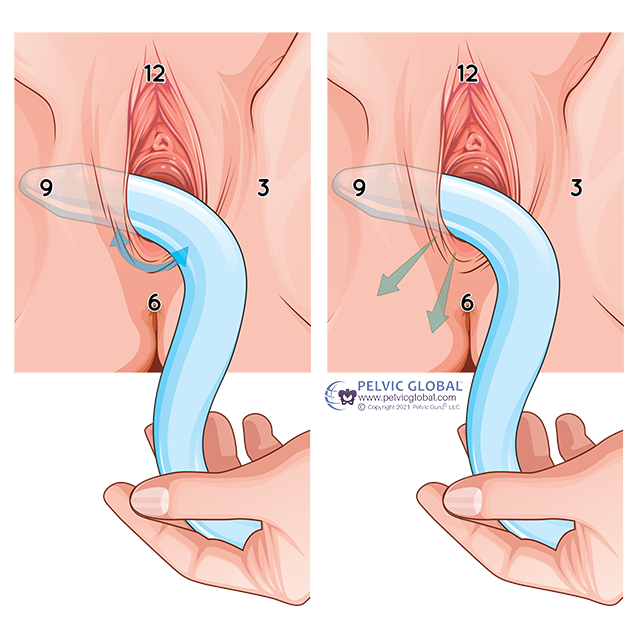
Silicone tools are soft and flexible for gentle pressure. They are easy to clean and safe for sensitive skin. Many shapes fit well in the hand and against the body. Silicone tools glide smoothly with a lubricant. They help stretch the perineum slowly and steadily.
Natural Alternatives
Natural options include warm cloths or oils for massage. Warmth relaxes muscles and improves comfort. Oils like coconut or almond reduce friction during massage. Use pure, fragrance-free oils to avoid irritation. Natural tools support a calming and soothing experience.

How To Prepare Oils And Tools
Preparing oils and tools for perineal massage helps ensure a safe and smooth experience. Proper preparation keeps the skin healthy and reduces the risk of irritation. Choose the right oils and clean your tools carefully before starting. This step is important for comfort and hygiene.
Blending Essential And Carrier Oils
Use carrier oils like almond, coconut, or jojoba oil as the base. These oils protect your skin and make massage easier. Add a few drops of essential oils such as lavender or chamomile. These oils can soothe and relax the skin. Mix the oils well before use. Test a small amount on your skin to check for allergies. Avoid using too much essential oil, as it can irritate the skin.
Sanitizing Your Massage Tools
Clean any tools you plan to use with warm water and mild soap. Rinse them thoroughly to remove all soap residue. Use rubbing alcohol to disinfect the tools. Let them air dry on a clean towel. Avoid sharing your tools with others to prevent infections. Store the tools in a clean, dry place until use.
Tips For Effective Perineal Massage
Perineal massage helps prepare the body for childbirth. It can reduce tearing and ease delivery. Using the right methods and timing improves its benefits. Follow these simple tips for effective perineal massage.
Massage Techniques
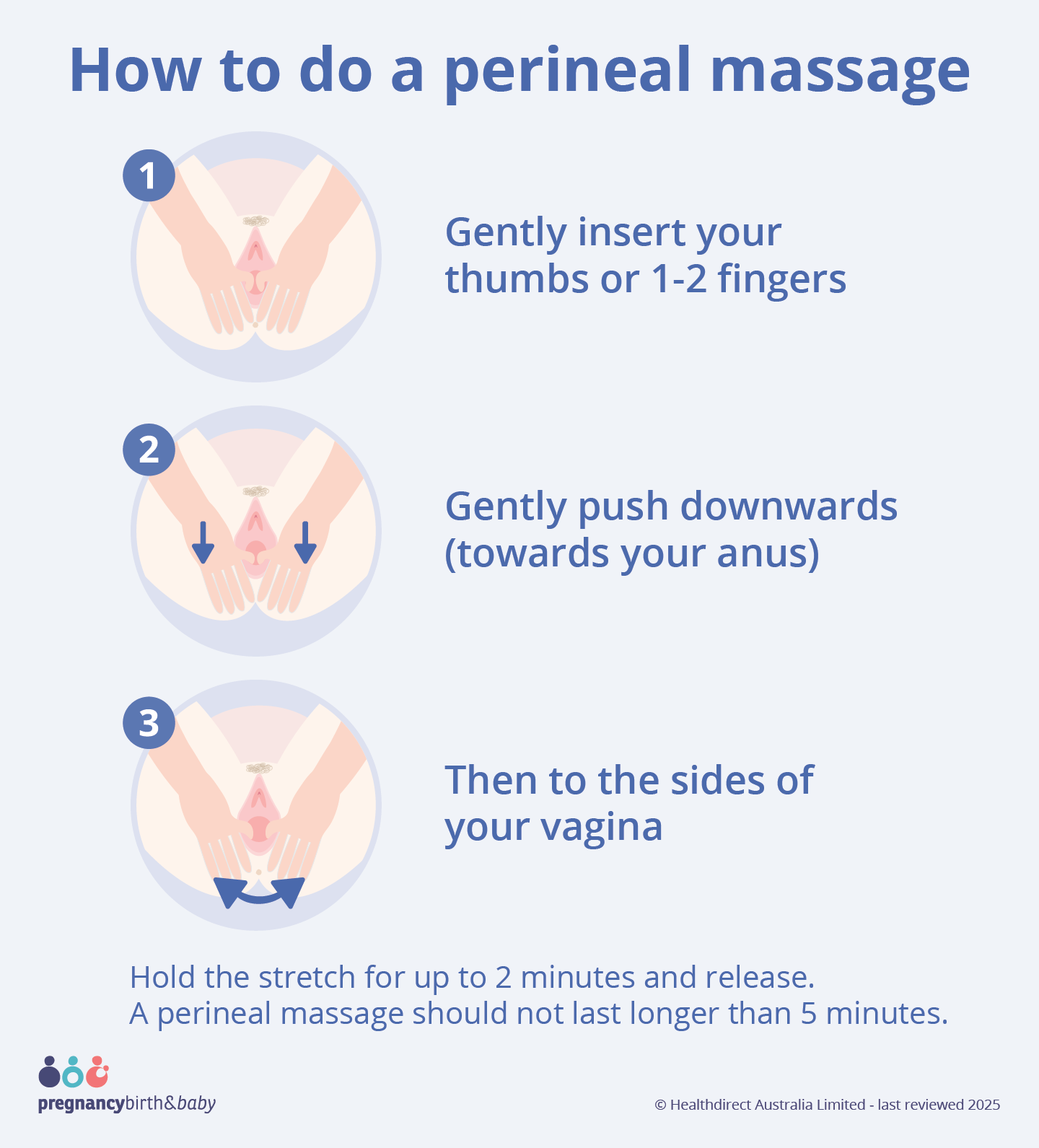
Use clean hands and trim nails before starting. Apply a natural oil or lubricant to avoid friction. Place your thumbs about 1 to 1.5 inches inside the vagina. Press downwards and sideways gently, stretching the tissues. Hold the stretch for 1 to 2 minutes. Massage in a U-shaped motion to cover the perineum fully. Relax your muscles while massaging. Stop if it causes pain or discomfort.
Timing And Frequency
Start perineal massage at 34 weeks of pregnancy. Practice 3 to 4 times each week for best results. Spend about 5 to 10 minutes each session. Perform the massage when relaxed and calm. Avoid doing it right before bedtime if it causes discomfort. Consistency helps the tissues become more flexible over time.
Frequently Asked Questions
What Is The Best Oil For Perineal Massage?
The best oils are natural, safe, and moisturizing. Common choices include coconut oil, olive oil, and sweet almond oil. These oils reduce friction and help relax the perineal tissues. Avoid scented or chemical-laden oils to prevent irritation.
Can I Use Lubricant For Perineal Massage?
Yes, water-based or natural lubricants can be used. They provide smooth glide and prevent discomfort during massage. Avoid petroleum-based products as they may cause irritation or infections. Always choose a product safe for sensitive skin.
How Often Should Perineal Massage Be Done?
Perineal massage is recommended 2-3 times per week. Start around 34 weeks of pregnancy until delivery. Regular massage helps increase tissue elasticity and reduces tearing risks during childbirth.
Is Perineal Massage Safe During Pregnancy?
Yes, perineal massage is generally safe for most pregnancies. However, consult your healthcare provider before starting. Stop immediately if you experience pain, bleeding, or contractions during the massage.
Conclusion
Choosing the right oil or cream makes perineal massage easier and more comfortable. Natural oils like coconut or almond oil work well and are gentle on the skin. Avoid strong or scented products that might cause irritation. Regular massage with the right product can help prepare your body for childbirth.
Always test a small amount first to check for any reaction. Keep your hands clean and relaxed during the process. Simple, safe products support your body’s natural elasticity. This helps reduce discomfort and the risk of tears during birth. Take your time, stay consistent, and listen to your body’s needs.
Related massage chair reviews:
 Which Osaki Massage Chair is Best? 50 Osakis Tested and Reviewed!
 50 Best Ergonomic Massage Chairs Perfect for Tall Individuals Reviewed 2026
 50 Best 4D Massage Chairs Reviewed by Real Customers 2026
 The 45 Best Utopia 3d Massage Chair Rated for 2026
 30 Best Organic Infant Massage Oils for a Soothing Experience
 Best Massage Chairs Under $2000: Your Relaxation Reviews for 2026