Have you ever felt constant muscle pain or tension that just won’t go away? If so, you’re not alone.
Many people struggle with discomfort that affects their daily life and overall well-being. What if there was a way to target those stubborn aches right at the source? That’s where neuromuscular massage therapy comes in. This specialized technique goes beyond regular massage to relieve pain, improve movement, and help your body heal itself.
Keep reading to discover how neuromuscular massage therapy works and why it might be exactly what your body needs.
Neuromuscular Massage Basics
Neuromuscular massage therapy focuses on treating muscle pain and tension. It uses specific pressure to ease tight muscles and improve movement. This therapy helps the body heal from injuries and reduce discomfort.
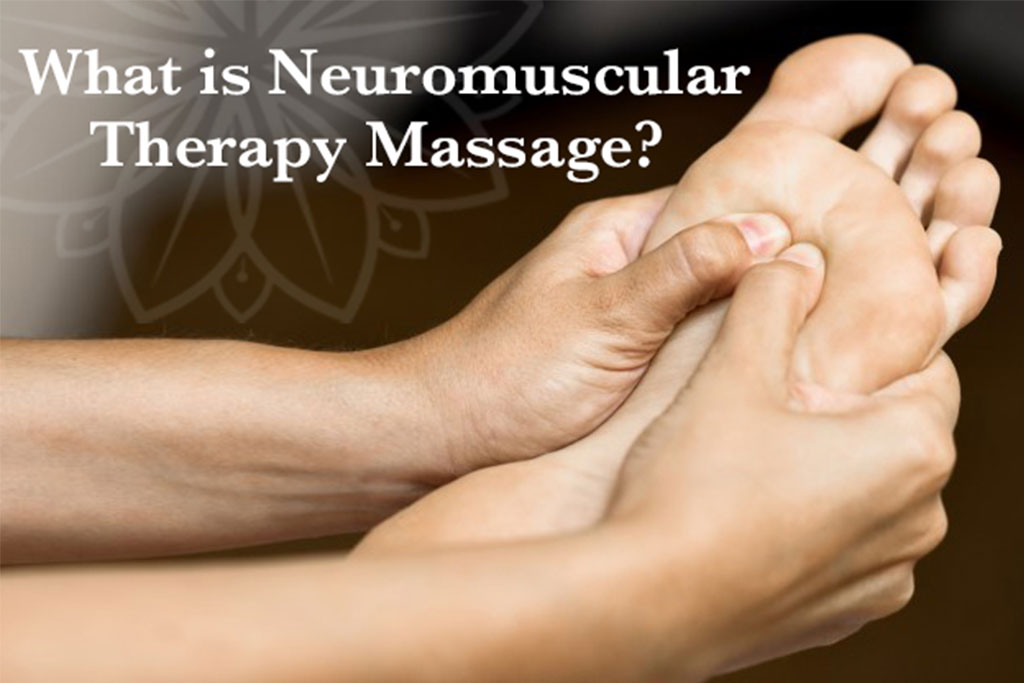
Therapists use their hands to apply deep pressure on muscle knots and trigger points. The goal is to relax muscles and increase blood flow. This method supports faster recovery and better muscle function.
What Neuromuscular Therapy Targets
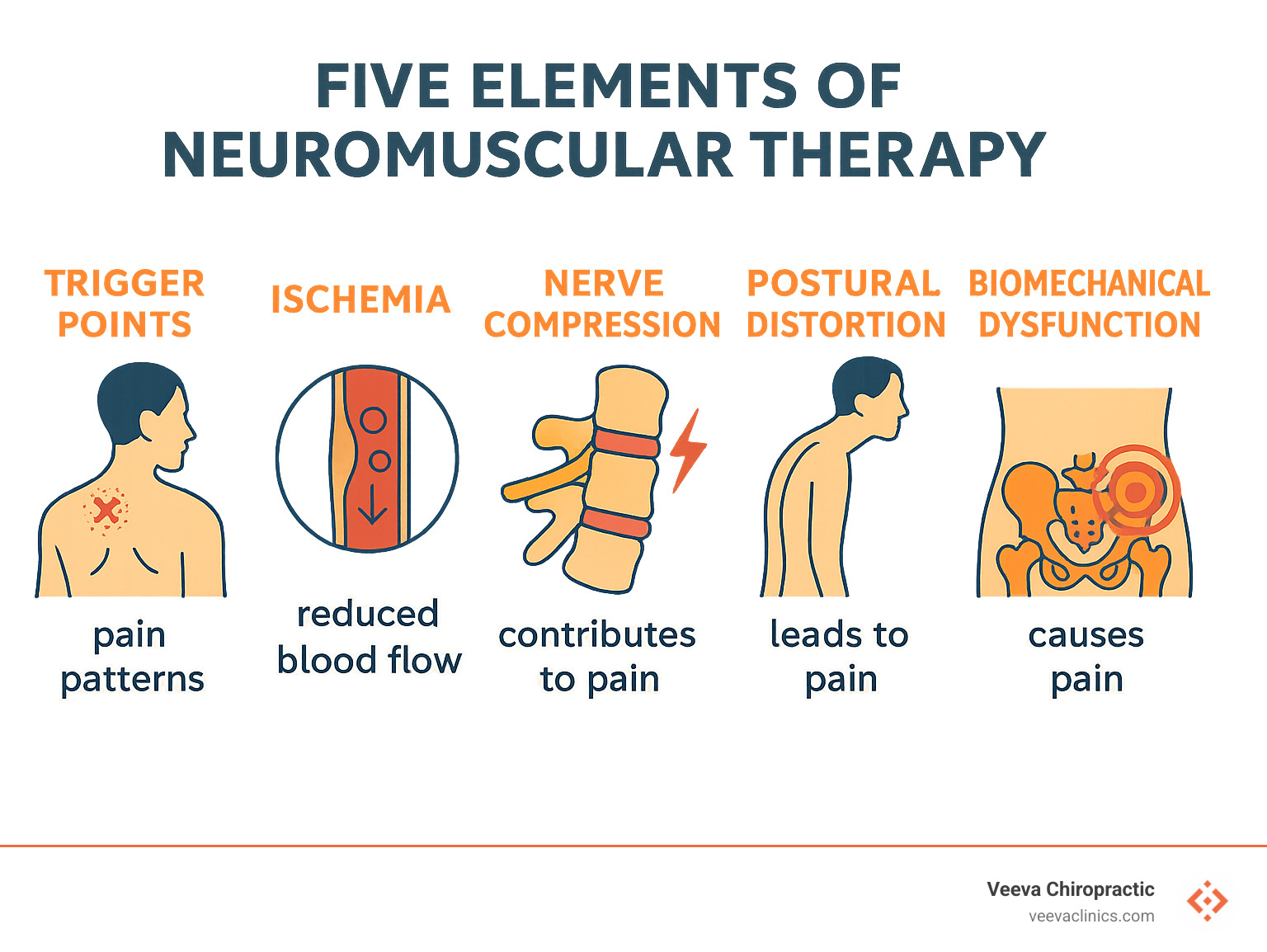
This therapy targets muscle pain caused by injuries, stress, or poor posture. It focuses on areas where muscles are tight or have knots. These spots, called trigger points, often cause pain in other parts of the body.
Therapists also work on muscles that have weak or poor movement. This helps restore balance and reduces strain on other muscles. The therapy improves muscle flexibility and strength over time.
How It Differs From Other Massages
Neuromuscular massage is more focused and deeper than general massages. It targets specific muscle problems rather than just relaxing the body. The pressure used is often stronger to reach deep muscle layers.
This therapy uses knowledge of the nervous system to relieve pain. It connects muscle issues with nerve signals and treats both. Other massages mainly focus on surface muscles and stress relief.
Common Causes Of Muscle Pain
Muscle pain affects many people every day. Understanding the common causes helps find the right treatment. Muscle pain often comes from issues inside the muscles or the way we use them. This pain can limit movement and cause discomfort. Neuromuscular massage therapy targets these causes to relieve pain and improve function.
Trigger Points And Muscle Knots
Trigger points are small, tight areas in muscles. They feel like hard knots or bumps. These spots cause pain in the muscle and nearby areas. Muscle knots form from stress, injury, or overuse. They block blood flow and make muscles stiff. Neuromuscular massage therapy helps break up these knots. It improves blood flow and eases muscle tension.
Posture And Muscle Imbalance
Bad posture puts extra strain on muscles. Sitting or standing incorrectly causes some muscles to work too hard. Others become weak and tight. This imbalance leads to pain and stiffness. Poor posture also changes how muscles move together. Neuromuscular massage therapy helps restore balance. It relaxes tight muscles and supports better posture. This reduces pain and improves comfort.
Techniques Used In Neuromuscular Massage
Neuromuscular massage therapy uses special techniques to ease muscle pain and improve movement. Therapists focus on areas with tight muscles and knots. These methods help to relax muscles and increase blood flow. The main goal is to reduce pain and restore balance in the body.
Deep Tissue Manipulation
This technique targets the deeper layers of muscle and connective tissue. Therapists use slow, firm pressure to reach tight spots. It helps break down scar tissue and relieve muscle tension. Deep tissue manipulation improves flexibility and reduces chronic pain. The pressure is applied carefully to avoid discomfort while working deeply.
Stretching And Muscle Activation
Stretching helps lengthen tight muscles and improve range of motion. Therapists guide gentle stretches to avoid injury. Muscle activation involves light movements to wake up weak muscles. This process restores proper muscle function and balance. It also helps the body move smoothly and reduces strain.
Benefits For Pain Relief
Neuromuscular massage therapy offers many benefits for pain relief. It targets muscles and nerves to ease discomfort. This therapy helps the body heal naturally and feel better. Many people find relief from long-lasting pain through this method.
By focusing on problem areas, neuromuscular massage reduces tension and improves blood flow. These effects help reduce pain and support muscle recovery. The therapy is gentle and works deep into the tissues to bring lasting comfort.
Reducing Chronic Pain
Neuromuscular massage therapy helps lower chronic pain in many cases. It relaxes tight muscles that cause ongoing pain. The treatment also reduces nerve irritation, which often increases discomfort. Many patients report less pain after regular sessions. This therapy can improve daily life by easing constant pain.
Improving Range Of Motion
Tight muscles limit movement and cause stiffness. Neuromuscular massage loosens these muscles to restore flexibility. Improved blood flow to the muscles helps them work better. This increases the range of motion in affected joints. People feel freer and move more easily after therapy.
Who Can Benefit Most
Neuromuscular massage therapy helps many people feel better and move easier. It focuses on muscles and nerves to reduce pain and improve function. Some groups find this therapy especially helpful. Their bodies get strong benefits from targeted muscle work.
Athletes And Active Individuals
Athletes use their muscles a lot. Neuromuscular massage helps ease muscle tightness and soreness. It can speed up recovery after tough workouts or injuries. This therapy also helps prevent muscle strains and imbalances. Active people can keep performing at their best with regular sessions.
People With Chronic Conditions
Chronic pain or muscle problems make daily life hard. Neuromuscular massage targets specific pain points and tension. It can reduce long-term muscle pain and stiffness. People with conditions like fibromyalgia or arthritis feel relief. This therapy supports better movement and less discomfort.
What To Expect In A Session
Neuromuscular massage therapy sessions focus on relieving muscle pain and tension. Each session is tailored to your body’s needs. Understanding the process helps you feel comfortable and prepared.
Initial Assessment
The therapist begins by asking about your pain and medical history. They check your posture and muscle condition. This step helps identify problem areas. It guides the treatment plan for best results.
Treatment Process
The therapist uses firm pressure on specific muscles. They may apply strokes, kneading, or trigger point techniques. The goal is to release tight muscles and improve blood flow. You may feel some discomfort, but it should not be painful. Sessions usually last between 30 to 60 minutes. After treatment, muscles often feel looser and less tense.
Aftercare And Maintenance
Aftercare and maintenance play a key role in the success of neuromuscular massage therapy. Proper care helps the body heal faster and keeps pain from coming back. Following the therapist’s advice ensures long-lasting benefits and better muscle health.
Home Exercises
Simple exercises can improve therapy results. These movements stretch and strengthen muscles gently. Doing them daily keeps muscles flexible and reduces tension. Your therapist may teach you specific exercises to target problem areas. Consistency is important for steady progress.
Frequency Of Sessions
The number of sessions depends on your condition. Some people need weekly treatments, while others may need fewer visits. Regular sessions help maintain muscle balance and prevent pain. Your therapist will suggest the best schedule for your needs.
Finding A Qualified Therapist
Finding a qualified neuromuscular massage therapist is important for safe and effective treatment. Not all massage therapists have the right training or skills in this specialized therapy. Choosing the right professional helps ensure proper care for your muscle pain and tension. Knowing what to check and what questions to ask makes this process easier.
Credentials To Look For
Look for therapists with certification in neuromuscular therapy. Check if they have a license to practice massage therapy in your area. Training from recognized schools or programs matters a lot. Experience in treating conditions like muscle knots and nerve pain is a plus. Also, see if they continue learning through workshops or courses.
Questions To Ask
Ask how long they have practiced neuromuscular therapy. Find out what techniques they use during sessions. Inquire about their success with problems similar to yours. Ask if they customize treatments for each patient. Check if they explain the process and answer your questions clearly.
Frequently Asked Questions
What Is Neuromuscular Massage Therapy Used For?
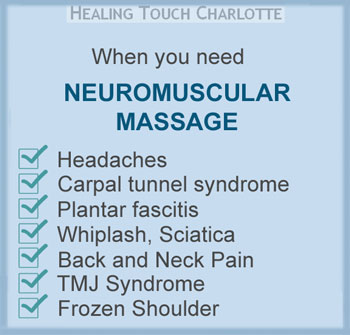
Neuromuscular massage therapy targets muscle pain and tension. It helps relieve chronic pain, improve circulation, and correct posture. This therapy is ideal for treating injuries, muscle imbalances, and stress-related discomfort.
How Does Neuromuscular Massage Therapy Work?
The therapy uses deep pressure to release muscle knots and trigger points. It stimulates nerves and improves muscle function. By addressing pain sources, it promotes faster healing and better mobility.
Who Can Benefit From Neuromuscular Massage Therapy?
Anyone with muscle pain, chronic tension, or injury can benefit. Athletes, office workers, and those with posture problems often find relief. It is also effective for stress reduction and improved muscle performance.
How Often Should Neuromuscular Massage Therapy Be Done?
Frequency depends on the condition’s severity. Generally, weekly sessions help chronic pain. For acute issues, fewer sessions may suffice. A therapist will tailor the schedule to individual needs.
Conclusion
Neuromuscular massage therapy helps reduce muscle pain and tension. It targets tight muscles and improves blood flow. Many people find relief from chronic pain with this therapy. It also supports better movement and posture. Sessions usually feel deep but not painful.
This therapy suits those with muscle injuries or stress. Always consult a professional before starting any treatment. Regular therapy can help maintain muscle health. Neuromuscular massage offers a natural way to feel better. Consider it as part of your wellness routine.
Related massage chair reviews:
 Which Osaki Massage Chair is Best? 50 Osakis Tested and Reviewed!
 50 Best 4D Massage Chairs Reviewed by Real Customers 2026
 50 Best Ergonomic Massage Chairs Perfect for Tall Individuals Reviewed 2026
 The 45 Best Utopia 3d Massage Chair Rated for 2026
 Best Massage Chairs Under $2000: Your Relaxation Reviews for 2026
 The Best 35 Affordable Full Body Massage Chairs Under $1000 Reviewed