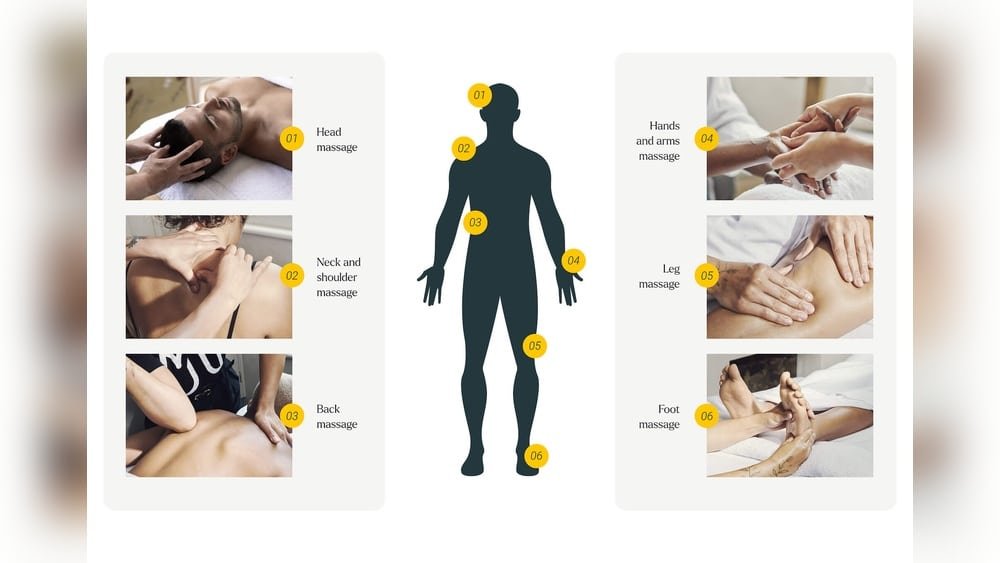
Have you ever wondered what a full body massage really is and how it can benefit you? Imagine feeling every muscle in your body relax, tension melting away, and a deep sense of calm washing over you.
A full body massage is more than just a luxury—it’s a powerful way to recharge your body and mind. You’ll discover exactly what a full body massage involves, why it might be the perfect solution for your stress, and how it can improve your overall well-being.
Keep reading to unlock the secrets of this soothing experience and find out how it can make a real difference in your life.
Benefits Of Full Body Massage
A full body massage offers many benefits for both body and mind. It helps your muscles relax and reduces pain. This kind of massage also improves blood flow and boosts your overall health. Many people find a full body massage refreshing and calming. It can make you feel better inside and out.
Physical Health Improvements
A full body massage helps ease muscle tension and stiffness. It reduces pain in areas like the back, neck, and shoulders. The massage also improves blood circulation, which helps healing. It can lower blood pressure and reduce inflammation. This helps your body stay strong and healthy.
Mental And Emotional Relief
The massage calms your mind and lowers stress levels. It helps reduce anxiety and feelings of worry. Your body releases feel-good chemicals called endorphins. These make you feel happier and more relaxed. Many people feel less tired and more peaceful after a massage.
Enhanced Sleep Quality
A full body massage can improve how well you sleep. It helps your body relax deeply before bedtime. The massage reduces stress, which often causes sleep problems. Better sleep helps your body repair and stay healthy. People often find it easier to fall asleep and stay asleep.
Types Of Full Body Massage
Full body massage offers many types to suit different needs and preferences. Each type targets the body in a unique way. Some focus on relaxation, while others ease deep muscle tension. Understanding these types helps you choose the right massage for your body and mind.
Here are some popular types of full body massage you can try.
Swedish Massage
Swedish massage uses long, gentle strokes to relax muscles. It improves blood flow and reduces stress. This type is ideal for beginners and those seeking light relaxation. The therapist uses smooth, flowing movements over the entire body.
Deep Tissue Massage
Deep tissue massage targets deeper layers of muscles and tissues. It helps relieve chronic pain and tightness. The pressure is firm and focused on problem areas. This massage is good for athletes or people with muscle injuries.
Aromatherapy Massage
Aromatherapy massage combines essential oils with gentle massage techniques. The oils enhance relaxation and boost mood. Different scents serve various purposes, like calming or energizing. This massage helps both body and mind feel balanced.
Hot Stone Massage
Hot stone massage uses warm stones placed on key body points. Heat relaxes muscles and improves circulation. The therapist may also use stones to massage muscles deeply. This method relieves tension and promotes deep relaxation.
Techniques Used In Full Body Massage
Full body massage uses different techniques to relax muscles and improve blood flow. Each method targets specific areas and offers unique benefits. Understanding these techniques helps appreciate the massage process better.
Effleurage And Petrissage
Effleurage involves long, gentle strokes over the skin. It warms up muscles and increases circulation. Petrissage uses kneading and rolling motions. It helps loosen tight muscles and reduce tension.
Tapotement And Friction
Tapotement includes rhythmic tapping or pounding with hands. It stimulates muscles and nerves, boosting energy. Friction uses deep, circular movements. It breaks down knots and improves flexibility.
Stretching And Joint Mobilization
Stretching gently extends muscles to increase range of motion. Joint mobilization moves joints carefully to reduce stiffness. These techniques enhance mobility and relieve pain.
Preparing For A Full Body Massage
Preparing for a full body massage helps you get the best experience. It lets your body and mind relax. Planning ahead makes the session smooth and calming.
Small steps before your massage can improve comfort and results. Take time to choose the right therapist. Know what to expect and what to wear. These details make a big difference.
Choosing The Right Therapist
Pick a therapist with good reviews and proper training. Check their experience with full body massages. Choose someone who listens to your needs. Comfort and trust are key for a relaxing session.
Setting Expectations
Know the type and length of the massage you want. Tell your therapist about any pain or health issues. Clear communication helps avoid surprises. This ensures a safe and pleasant massage.
What To Wear And Bring
Wear loose, comfortable clothes to the appointment. You will usually undress to your comfort level. Bring a towel or robe if the spa allows it. Avoid heavy meals or alcohol before the massage.
What To Expect During The Massage
Knowing what to expect during a full body massage helps you feel calm and ready. The experience is gentle and focused on relaxing your whole body. You lie down comfortably while the massage therapist works on your muscles to ease tension. The session is peaceful and tailored to your needs.
Initial Consultation
The massage starts with a short talk. The therapist asks about your health and any pain areas. You share your comfort levels and massage goals. This helps the therapist plan the best approach for you.
Massage Process
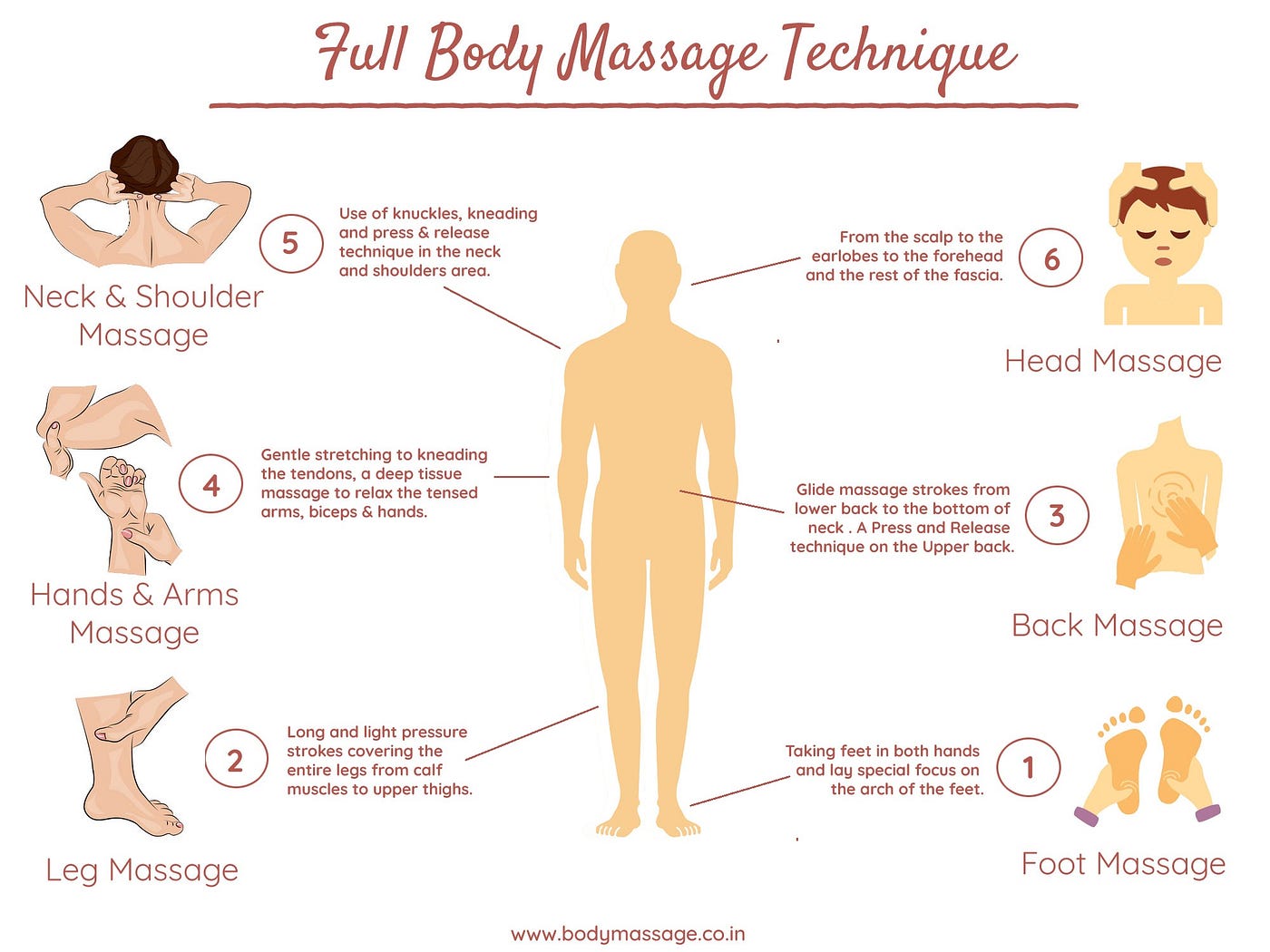
You lie on a soft table, usually covered with a sheet. The therapist uses oils or lotion for smooth strokes. Different techniques like kneading and rubbing target muscles. The pressure adjusts based on your feedback. The therapist moves over all body parts, from head to feet.
Post-massage Care
After the massage, drink water to flush out toxins. Rest for a bit before getting up. You may feel relaxed or slightly tired. Avoid heavy exercise right after the session. Gentle stretching can help keep muscles loose.
Healing Effects Beyond Relaxation
Full body massage offers more than just relaxation. It helps the body heal and feel better. Many people find relief from pain and stress. This therapy supports the body’s natural functions. It can improve health in several important ways.
The healing effects go beyond feeling calm. Full body massage can support pain management, boost circulation, and strengthen the immune system. These benefits improve overall well-being and daily life.
Pain Management
Massage helps reduce muscle tension and stiffness. It eases pain from injuries or chronic conditions. Gentle pressure can calm nerve endings and reduce discomfort. Many find less need for pain medicine after regular sessions. This natural method supports healing and comfort.
Improved Circulation
Massage encourages blood flow throughout the body. Better circulation delivers oxygen and nutrients to tissues. It helps remove toxins and waste from the body. Improved blood flow also promotes faster healing. This leads to more energy and better organ function.
Boosted Immune System
Massage may increase white blood cell count. These cells fight infections and keep the body healthy. Regular massage can lower stress hormones that weaken immunity. A stronger immune system means fewer illnesses. This helps maintain health and vitality.
Common Myths About Full Body Massage
Many people have wrong ideas about full body massage. These myths stop them from trying it. Knowing the truth helps you decide better.
Massage Is Only For Luxury
Some think massages are just for rich people. They believe it is a luxury, not a need. Actually, massages help with stress and muscle pain. They improve health and well-being. Anyone can benefit from a full body massage.
It’s Painful Or Uncomfortable
Many fear massages will hurt. They think the pressure will be too strong. A good therapist adjusts pressure to your comfort. Massages should feel relaxing, not painful. You can always tell the therapist to ease up.
Results Are Immediate And Permanent
People expect quick and lasting results from one session. Massage effects build over time with regular visits. One massage may relieve tension for a short time. Consistent massages help maintain better health and relaxation.

Incorporating Full Body Massage Into Wellness Routine
Incorporating full body massage into your wellness routine can improve both body and mind. It helps reduce stress, ease muscle tension, and boost circulation. Regular massage supports better sleep and promotes a calm mindset.
Adding full body massage to your schedule creates a balanced approach to health. It complements exercise, healthy eating, and rest. This holistic method helps maintain overall well-being.
Frequency Recommendations
For most people, one massage every two weeks works well. Those with chronic pain or high stress may benefit from weekly sessions. Beginners can start with once a month to see how their body reacts. Consistency matters more than frequency for lasting benefits.
Combining With Other Therapies
Full body massage pairs well with yoga, stretching, and meditation. These therapies help lengthen muscles and relax the mind. Chiropractic care and acupuncture also enhance massage results. A combined approach targets different areas for total relief.
At-home Massage Tips
Use simple tools like foam rollers or massage balls to ease muscle tightness. Warm oils or lotions improve comfort and skin softness. Set a calm space with soft lighting and quiet sounds. Focus on slow, gentle strokes to relax muscles deeply.
Frequently Asked Questions
What Is A Full Body Massage?
A full body massage is a therapeutic treatment that targets all major muscle groups. It promotes relaxation, relieves tension, and improves circulation. This massage typically covers the back, arms, legs, neck, and shoulders, providing overall physical and mental wellness.
How Does A Full Body Massage Benefit Health?
Full body massages reduce stress, ease muscle pain, and enhance blood flow. They boost the immune system and improve sleep quality. Regular sessions can also increase flexibility and promote better posture, contributing to overall well-being.
What Techniques Are Used In Full Body Massage?
Common techniques include Swedish, deep tissue, and aromatherapy massage. Therapists use kneading, stroking, and tapping to relax muscles. Each technique targets different layers of muscle to relieve tension and improve circulation effectively.
How Long Does A Full Body Massage Last?
Most full body massages last between 60 to 90 minutes. The duration depends on the client’s needs and the therapist’s approach. Longer sessions allow deeper muscle relaxation and more comprehensive treatment.
Conclusion
A full body massage helps relax your muscles and calm your mind. It can reduce stress and ease pain in many areas. This therapy improves blood flow and boosts your energy. Many people find it a great way to feel better overall.
Try it to enjoy a peaceful and healthy body. Taking time for self-care matters. Feel refreshed and ready to face your day.
Related massage chair reviews:
 Which Osaki Massage Chair is Best? 50 Osakis Tested and Reviewed!
 50 Best 4D Massage Chairs Reviewed by Real Customers 2026
 50 Best Ergonomic Massage Chairs Perfect for Tall Individuals Reviewed 2026
 The 45 Best Utopia 3d Massage Chair Rated for 2026
 Best Massage Chairs Under $2000: Your Relaxation Reviews for 2026
 The Best 35 Affordable Full Body Massage Chairs Under $1000 Reviewed