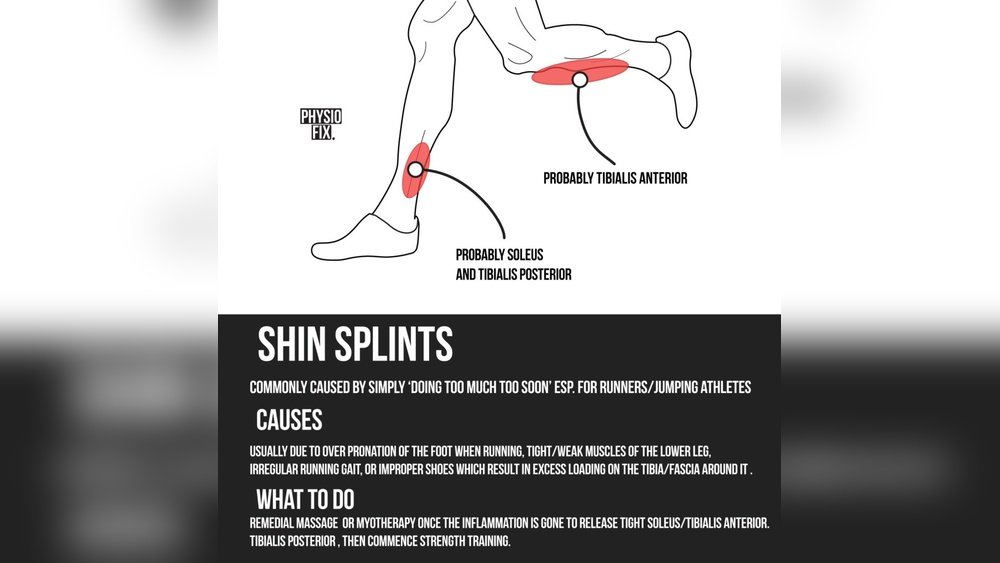
Are you struggling with sharp pain along the front of your lower leg? Shin splints can make every step feel uncomfortable and slow down your daily routine.
You might be wondering if massaging your shin splints can actually help ease the pain or if it could make things worse. You’ll discover the truth about massaging shin splints and learn practical tips to relieve your discomfort safely. Keep reading to find out how to take control of your pain and get back on your feet faster.
What Are Shin Splints
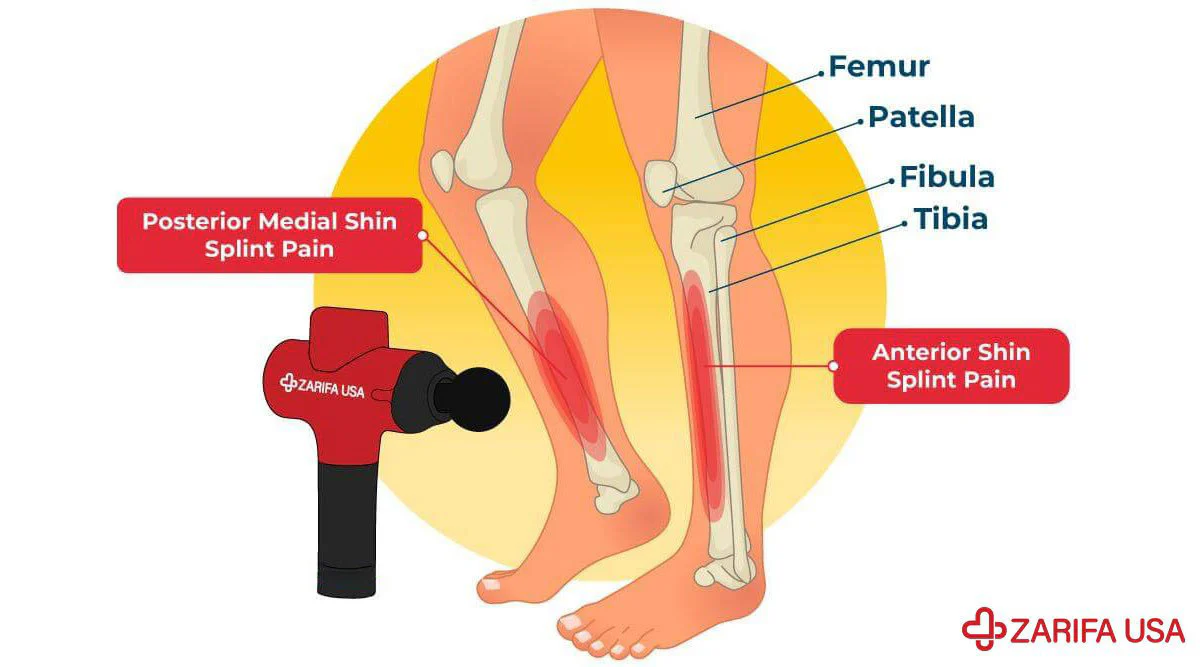
Shin splints cause pain along the inner edge of the shinbone. This pain happens after exercise or running. Many runners and athletes suffer from this condition.
The pain comes from tiny tears in muscles and tendons around the shinbone. These tears cause inflammation and discomfort. The area may also feel sore or tender.
Common Causes Of Shin Splints
Shin splints happen because of repeated stress on the legs. Running on hard surfaces or sudden increase in activity can cause it. Poor shoes or improper running form also add stress.
Symptoms To Recognize Shin Splints
Pain along the inner shin during or after exercise is common. Swelling and tenderness might also be present. The pain usually worsens with continued activity.
Who Is At Risk?
Athletes who run or jump a lot often get shin splints. Beginners who start intense workouts suddenly are at risk. People with flat feet or weak ankles also face higher chances.
Causes Of Shin Splints
Shin splints cause pain along the front of the lower leg. Many runners and athletes face this problem. Understanding the causes helps prevent and treat shin splints.
Shin splints happen from stress and strain on the shinbone and muscles. Several factors can lead to this condition. Knowing these helps manage pain better.
Overuse And Repetitive Impact
Running or jumping too much causes tiny injuries in the shin area. Repeated impact stresses the muscles and bones. Without enough rest, pain and inflammation occur.
Poor Footwear
Worn-out or improper shoes fail to support the feet well. This increases pressure on the shins. Shoes without good cushioning or arch support contribute to shin splints.
Flat Feet Or High Arches
Foot shape affects how weight spreads during movement. Flat feet cause the arches to collapse, stressing the shin muscles. High arches create uneven shock absorption, also causing pain.
Sudden Increase In Activity
Quickly raising running distance or intensity strains the lower legs. Muscles and bones do not adapt fast enough. This sudden change leads to shin splints.
Running On Hard Surfaces
Concrete or asphalt offers little shock absorption. Hard ground makes the legs absorb more force. This extra stress can cause shin pain and injuries.
Symptoms To Watch For
Shin splints cause pain in the lower leg. Recognizing the symptoms early helps in deciding if massage is safe. Paying attention to pain and discomfort can guide your next steps.
Pain Along The Inner Shin Bone
A sharp or dull ache appears along the inner edge of the shin. The pain might start during exercise and linger after. It often worsens with activity.
Swelling And Tenderness
The lower leg might swell and feel tender to touch. Pressing on the shin can cause soreness. Swelling shows inflammation in the area.
Muscle Tightness Or Cramping
Muscles around the shin might feel tight or cramp. This tightness limits movement and causes discomfort. It can increase after running or walking.
Pain That Worsens With Activity
Pain grows stronger during or after physical activity. Rest often reduces the pain temporarily. Ignoring this can lead to more serious injury.
Changes In Skin Color Or Warmth
The skin over the shin might look red or feel warm. This signals inflammation or irritation. Such changes require careful attention before massaging.
Can Massage Help Shin Splints
Shin splints cause pain along the shin bone. Many wonder if massage can help ease this pain. Massage might offer relief by improving blood flow and reducing muscle tightness. It can also help muscles heal faster after exercise. Understanding how massage works can guide you in treating shin splints safely.
How Massage Affects Shin Splints
Massage increases circulation in the lower legs. Better blood flow helps remove waste and bring nutrients. This supports muscle recovery and reduces soreness. Tight muscles around the shin can also cause more pain. Massage loosens these muscles and eases tension.
Types Of Massage For Shin Splints
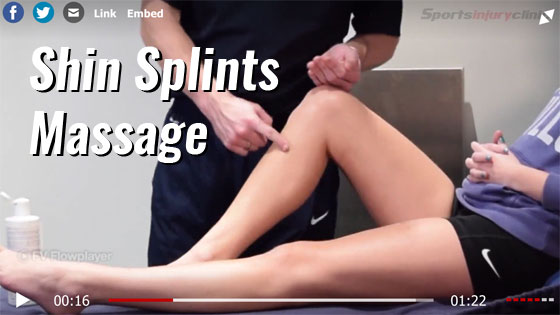
Light to moderate pressure is best for shin splints. Deep tissue massage may cause more pain or injury. Techniques like gentle kneading and stroking help relax muscles. Using massage tools like foam rollers can also be helpful. Avoid direct massage on very painful or swollen areas.
When To Avoid Massage
Massage is not always safe for shin splints. Avoid it if you have sharp or worsening pain. Swelling or bruising needs rest and medical care first. Massage might increase inflammation in these cases. Consult a healthcare provider before starting massage therapy.
Massage As Part Of Recovery
Massage works best combined with rest and stretching. It supports healing but does not replace other treatments. Ice and proper footwear also reduce shin splint pain. Regular massage can keep muscles flexible. This lowers the chance of shin splints returning.
Types Of Massage For Relief
Massaging shin splints can help reduce pain and speed up healing. Different types of massage target muscles and tissues in unique ways. Each method offers distinct benefits for shin splint relief. Understanding these types helps choose the best option for your needs.
Deep Tissue Massage
Deep tissue massage uses firm pressure to reach deeper muscles. It breaks down tight knots and scar tissue. This massage helps improve blood flow and reduce muscle stiffness. It is useful for long-term shin splint pain. A professional therapist usually performs this massage for best results.
Myofascial Release
Myofascial release focuses on easing the fascia, the tissue around muscles. It uses gentle, sustained pressure to release tight spots. This helps reduce tension and improve movement. Myofascial release is gentle but effective for shin splints. It can be done by a therapist or with special tools.
Self-massage Techniques
Self-massage uses hands or tools to relieve shin pain at home. Foam rollers and massage balls are common tools. Rolling these along your shin muscles helps loosen tight areas. Applying gentle pressure with fingers can also ease discomfort. Self-massage is a simple way to support recovery daily.

How To Massage Shin Splints Safely
Massaging shin splints can ease pain and speed recovery. Doing it safely matters to avoid more damage. Follow clear steps and use the right tools. Pay attention to timing and frequency for best results. Take precautions to protect your muscles and bones.
Tools To Use
Use your hands or a foam roller for gentle pressure. A massage stick can help reach tight spots. Soft massage balls work well for small areas. Avoid hard tools that cause sharp pain. Warm up your legs before massaging for better effect.
Timing And Frequency
Massage after exercise or when pain starts. Do it for 5 to 10 minutes each time. Limit sessions to once or twice a day. Give your legs rest between massages. Stop if pain gets worse or lasts longer.
Precautions To Take
Do not massage over broken skin or swelling. Avoid deep pressure on tender areas. Keep pressure light to medium, not painful. Check with a doctor if pain is severe. Use ice after massaging to reduce inflammation.
Other Fast Relief Methods
Shin splints can cause sharp pain along the front of your lower leg. Massaging the area may help but it is not the only way to find quick relief. Other simple methods can ease pain and speed up recovery. These methods focus on reducing inflammation, improving muscle health, and supporting your feet properly.
Rest And Ice
Rest is important to let your muscles heal. Avoid activities that cause pain. Applying ice to your shins reduces swelling and numbs pain. Use ice packs for 15 to 20 minutes, several times a day. Wrap the ice in a cloth to protect your skin. This simple step calms inflammation fast and helps you feel better.
Stretching And Strengthening
Gentle stretches loosen tight muscles around your shins. Stretch your calves and Achilles tendons daily. Strengthening exercises improve muscle support and prevent future pain. Focus on exercises for your lower legs and feet. Strong muscles absorb shock better and reduce stress on your shins. Start slow and increase your routine gradually to avoid more pain.
Proper Footwear
Wearing the right shoes supports your feet and legs. Shoes with good arch support and cushioning reduce pressure on your shins. Replace old or worn-out shoes regularly. Custom insoles can also help correct foot alignment. Proper footwear lowers the risk of shin splints and helps your legs recover quickly.
When To See A Professional
Knowing when to see a professional for shin splints is key to proper healing. Some signs mean you need expert help right away. Ignoring these signs can lead to worse pain or injury.
Severe Or Persistent Pain
Sharp or constant pain needs a doctor’s attention. Pain that lasts more than two weeks is a warning. A professional can find the cause and suggest the right treatment.
Swelling Or Bruising
Swelling or bruising around the shin is not normal. These symptoms might show a more serious injury. Medical help can prevent further damage and speed recovery.
Difficulty Walking Or Standing
Struggling to walk or stand means the injury is serious. A professional can check for fractures or muscle tears. Early care helps avoid long-term problems.
Failure To Improve With Home Care
Rest, ice, and massage should reduce pain in days. If symptoms worsen or do not improve, see a specialist. They can offer stronger treatments or physical therapy.
Numbness Or Tingling Sensations
Numbness or tingling signals nerve involvement. This needs prompt evaluation by a healthcare provider. Ignoring these signs can cause lasting nerve damage.
Frequently Asked Questions
Can Massaging Shin Splints Reduce Pain Effectively?
Yes, massaging shin splints can help reduce pain by improving blood flow and relaxing tight muscles. It aids recovery but should be gentle to avoid further injury.
How Often Should I Massage My Shin Splints?
Massage your shin splints 2-3 times a week for best results. Consistent, gentle massage helps relieve muscle tension and promotes healing without causing harm.
Is Massage Safe For Severe Shin Splints?
For severe shin splints, consult a healthcare professional before massaging. Aggressive massage may worsen inflammation or injury in serious cases.
What Type Of Massage Is Best For Shin Splints?
A gentle, deep tissue or myofascial release massage works best for shin splints. This technique targets muscle tightness without putting excess pressure on the injured area.
Conclusion
Massaging shin splints can help ease pain and improve blood flow. Be gentle to avoid making the injury worse. Combine massage with rest and proper stretching for best results. Always listen to your body and stop if pain grows. Consult a doctor if pain lasts or gets severe.
Taking care early helps you recover faster and get back to activities. Simple steps like massage can make a big difference in healing.
Related massage chair reviews:
 Which Osaki Massage Chair is Best? 50 Osakis Tested and Reviewed!
 50 Best 4D Massage Chairs Reviewed by Real Customers 2026
 50 Best Ergonomic Massage Chairs Perfect for Tall Individuals Reviewed 2026
 The 45 Best Utopia 3d Massage Chair Rated for 2026
 Best Massage Chairs Under $2000: Your Relaxation Reviews for 2026
 The Best 35 Affordable Full Body Massage Chairs Under $1000 Reviewed