Have you ever left a massage feeling more sore than relaxed? You might wonder, “Is it normal to be sore after a massage?” It’s a common question, and understanding the reasons behind that soreness can help you enjoy your next session even more.
You’ll discover why your body reacts this way and what you can do to feel better faster. Keep reading to learn how to turn that soreness into a sign of healing and relief.

Causes Of Post-massage Soreness
Feeling sore after a massage is common. Understanding why can help you feel better. Several factors cause this soreness. These relate to how your muscles and body react to the massage.
Muscle Manipulation Effects
Massage works by pressing and moving your muscles. This action can cause tiny muscle fibers to stretch or even slightly tear. These small changes trigger soreness similar to what you feel after exercise. Your muscles are adjusting to the new movement and pressure.
Release Of Toxins
Massage helps move fluids in your body. This movement can release waste products from your muscles. These waste products, sometimes called toxins, may cause mild soreness. Your body needs time to flush them out through your blood and lymph system.
Inflammatory Response
Your body reacts to muscle changes with inflammation. This is a natural process to heal muscle tissue. Inflammation can cause swelling and soreness after a massage. It usually goes away within a day or two as your body repairs itself.
Types Of Massages And Soreness Levels
Different types of massages cause different soreness levels. Understanding these levels helps set clear expectations.
Some massages focus on deep muscle work, while others are gentle and relaxing. Each type affects your body uniquely.
Deep Tissue Massage
This massage targets deep layers of muscle and connective tissue. It uses strong pressure to release tightness.
Soreness after this massage is common. Muscles may feel tender for 1 to 3 days. This soreness is similar to a hard workout.
It helps with chronic pain and muscle stiffness but can cause discomfort initially.
Swedish Massage
Swedish massage uses light to medium pressure. It focuses on relaxation and improving blood flow.
Soreness is rare after this type of massage. Most people feel relaxed and refreshed instead.
This massage is ideal for stress relief and minor muscle tension.
Sports Massage
Sports massage prepares muscles for physical activity and helps recovery. It combines deep tissue and stretching techniques.
Soreness can occur, especially after intense sessions. It usually feels like mild muscle stiffness.
This massage supports athletes and active individuals to avoid injuries and improve performance.
When Soreness Is Normal
Feeling sore after a massage can be normal. It often means your muscles are reacting to the pressure and movement. This soreness shows your body is healing and adjusting. Knowing when soreness is normal helps you avoid worry.
This section explains what mild soreness feels like, how long it lasts, and signs your muscles are recovering.
Mild To Moderate Discomfort
Soreness after a massage usually feels mild to moderate. It may feel like the soreness after exercise. The discomfort should not be sharp or severe. It can feel like gentle muscle tightness or tenderness.
This type of soreness means your muscles are releasing tension and improving blood flow.
Duration Of Soreness
Soreness can last from a few hours to two days. Most people feel better within 24 hours. If soreness lasts longer than three days, it might need attention. Drinking water and resting can help reduce soreness faster.
Signs Of Muscle Recovery
Muscles start to feel looser and more relaxed after soreness fades. Movement becomes easier and less painful. You may feel a fresh sense of energy in your body. These signs show your muscles are healing well after the massage.
When To Be Concerned
Feeling sore after a massage is common. This usually means your muscles worked hard and are healing. Most soreness goes away within a day or two. Sometimes, soreness can mean something more serious. Knowing when to be concerned helps you stay safe and healthy.
Severe Pain Indicators
Severe pain after a massage is not normal. Sharp or stabbing pain needs attention. Pain that gets worse over time is a warning sign. Do not ignore intense discomfort during or after the massage. This may mean the massage was too hard or caused harm.
Allergic Reactions
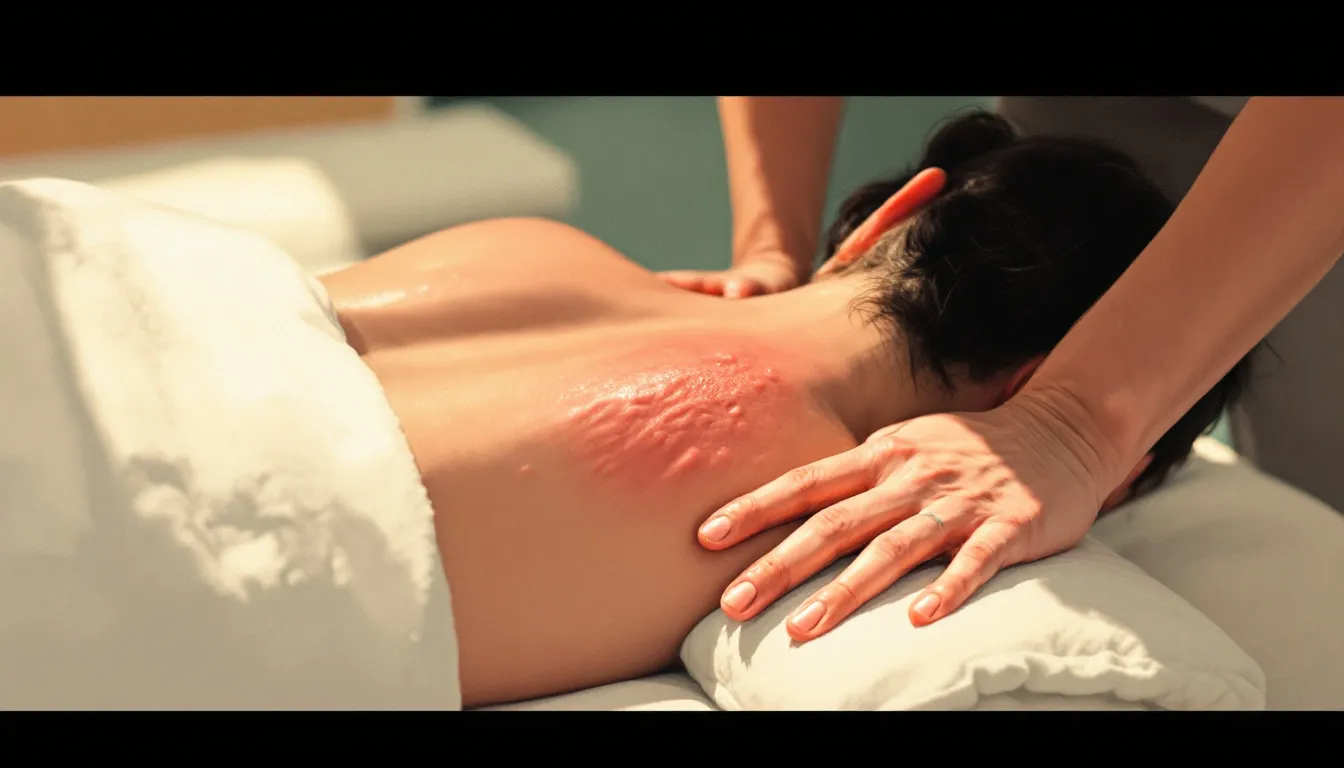
Allergic reactions to massage oils or lotions can happen. Watch for redness, itching, or swelling on your skin. Rash or hives are signs of allergy. Breathing problems or dizziness are serious and need urgent care. Stop using the product and tell your therapist.
Signs Of Injury
Injuries from massage can include bruises or swelling. Sudden weakness or numbness is a red flag. Difficulty moving a limb or joint needs medical check. Muscle spasms that last long may mean injury. Do not push through pain that feels unusual or sharp.
Tips To Alleviate Post-massage Soreness
Massage soreness is common after a session, especially if deep tissue work was done. This discomfort usually fades after a day or two. Several simple steps help reduce soreness and speed recovery. These tips support your body’s natural healing and keep you comfortable.
Hydration Importance
Drink plenty of water after a massage. Fluids help flush out toxins released during massage. Staying hydrated reduces muscle stiffness and improves healing. Avoid alcohol or caffeine as they can cause dehydration.
Rest And Recovery
Allow your body to rest after a massage. Avoid heavy exercise or strenuous activities for at least 24 hours. Rest helps muscles repair and prevents further soreness. A good sleep also supports recovery and boosts energy.
Gentle Stretching Techniques
Light stretching can ease muscle tightness after massage. Focus on slow, gentle movements to avoid strain. Stretching increases blood flow and improves flexibility. Avoid intense stretches that cause pain or discomfort.
Use Of Heat And Cold Therapy
Heat therapy relaxes muscles and reduces stiffness. Use a warm towel or heating pad for 15 minutes. Cold therapy helps reduce inflammation and numb soreness. Apply an ice pack wrapped in cloth for 10 to 15 minutes.
Preventing Excessive Soreness In Future Sessions
Preventing excessive soreness after a massage helps you enjoy each session more. It also keeps your muscles feeling good and relaxed. Small steps before and during your massage can reduce discomfort afterward. Let’s explore some simple ways to avoid too much soreness next time.
Communicating With Your Therapist
Talk openly with your massage therapist about your pain tolerance. Share any areas that feel very sore or sensitive. Ask them to adjust pressure if needed. Clear communication helps the therapist work on your muscles safely. It also prevents pushing your body too hard.
Gradual Intensity Increase
Start with gentle massages before trying deep tissue work. Let your body get used to stronger pressure slowly. Increasing intensity step-by-step lowers the chance of soreness. This approach helps muscles relax without causing pain. Patience is key to avoid discomfort after sessions.
Pre-massage Preparation
Drink water before your massage to keep muscles hydrated. Avoid heavy meals or alcohol right before the session. Warm up your body with light stretching or a short walk. These actions prepare muscles for the massage better. Being ready reduces muscle strain and soreness afterward.
Expert Advice And Recommendations
Massage therapy can leave you feeling relaxed and refreshed. Sometimes, soreness happens afterward. Experts share advice to help you understand this and care for your body. Knowing when to get help, picking the right massage, and following good care tips matter most.
When To Seek Medical Advice
Mild soreness after a massage is common and normal. It usually fades in a day or two. Severe pain, swelling, or bruising is not normal. If pain lasts more than 72 hours, see a doctor. Also, seek help if you have numbness or weakness. These signs may mean an injury or other issue. Don’t ignore sharp or persistent pain after a massage.
Choosing The Right Massage Type
Different massages cause different feelings in your body. Deep tissue massage can cause more soreness than gentle Swedish massage. Tell your therapist about your pain limit and health issues. Start with a light massage if you are new. Choose a massage type that fits your needs and comfort. This lowers the chance of strong soreness afterward.
Post-massage Care Routine
Drink plenty of water after your massage. Water helps flush out toxins from your muscles. Apply heat or cold packs if you feel sore. Gentle stretching can ease muscle tightness. Rest and avoid heavy exercise for at least 24 hours. Follow these steps to help your body heal well. Taking care after a massage reduces soreness and improves benefits.
Frequently Asked Questions
Is Soreness After A Massage Normal?
Yes, mild soreness after a massage is normal. It occurs due to muscle manipulation and increased blood flow. This discomfort usually lasts 24 to 48 hours and signals your muscles are adjusting and healing.
How Long Does Massage Soreness Typically Last?
Massage soreness usually lasts between 24 to 48 hours. If soreness persists beyond this, it may indicate muscle strain or an improper technique. Drinking water and resting can help reduce soreness faster.
What Causes Soreness After A Deep Tissue Massage?
Deep tissue massages target deeper muscles, often causing soreness. The pressure breaks down muscle knots and releases tension, which can cause temporary discomfort. This soreness indicates muscle repair and should diminish within a couple of days.
Should I Be Concerned About Severe Soreness Post-massage?
Severe soreness or pain after a massage is uncommon and may signal injury. If pain worsens or persists beyond 48 hours, consult a healthcare professional. Always communicate discomfort during your massage to avoid excessive pressure.
Conclusion
Feeling sore after a massage can be normal. It shows your muscles are healing and adjusting. This soreness usually fades within a day or two. Drinking water helps reduce discomfort and flush toxins. Rest and gentle stretching can also ease soreness.
If pain lasts longer or gets worse, check with a healthcare provider. Remember, a little soreness means your body is responding to the massage. Trust your body and give it time to recover. Massage helps your muscles feel better over time.
Related massage chair reviews:
 Which Osaki Massage Chair is Best? 50 Osakis Tested and Reviewed!
 50 Best 4D Massage Chairs Reviewed by Real Customers 2026
 50 Best Ergonomic Massage Chairs Perfect for Tall Individuals Reviewed 2026
 The 45 Best Utopia 3d Massage Chair Rated for 2026
 Best Massage Chairs Under $2000: Your Relaxation Reviews for 2026
 The Best 35 Affordable Full Body Massage Chairs Under $1000 Reviewed