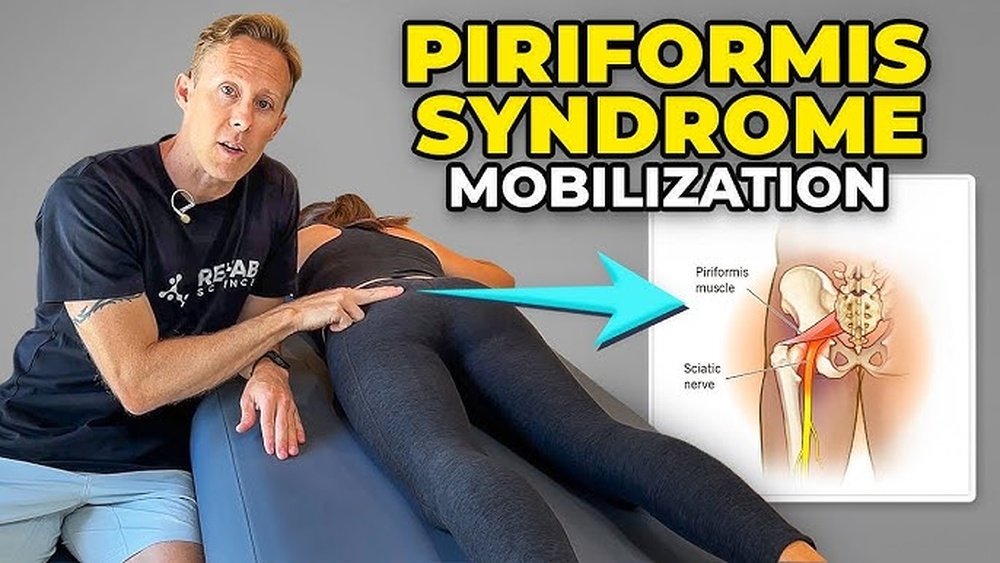
Do you often feel a sharp pain deep in your buttocks that just won’t go away? That nagging discomfort might be coming from your piriformis muscle.
Knowing how to massage your piriformis can bring quick relief, ease tension, and improve your movement. Imagine freeing yourself from that tightness with simple techniques you can do at home. You’ll discover easy, effective ways to target your piriformis muscle and start feeling better fast.
Keep reading—you’re just a few steps away from loosening up and living pain-free.

Piriformis Muscle Basics
The piriformis muscle plays an important role in hip movement and stability. Understanding its basics helps to massage it correctly. This muscle can cause pain if it becomes tight or irritated. Learning about its location and function makes it easier to find and relieve tension. Knowing common issues and pain symptoms guides in recognizing problems early.
Location And Function
The piriformis muscle is deep in the buttock area. It starts at the lower spine and attaches to the top of the thigh bone. This muscle helps rotate the hip outward. It also assists in lifting the thigh to the side. The piriformis supports walking, running, and sitting movements. It works with other muscles to stabilize the pelvis.
Common Issues And Pain Symptoms
The piriformis muscle can become tight or inflamed. This often causes pain in the buttocks and lower back. Sometimes the pain spreads down the leg, mimicking sciatica. Numbness or tingling may happen in the leg or foot. Sitting for long periods can worsen the pain. Muscle spasms or stiffness are common signs. Early massage can reduce discomfort and improve movement.
Benefits Of Piriformis Massage
Massaging the piriformis muscle offers several important benefits. This small muscle, deep in the buttock, often causes pain if tight or inflamed. Regular massage helps ease discomfort and supports overall muscle health. Many people find relief and improved movement after piriformis massage.
Understanding these benefits can encourage consistent self-care or professional treatment. The following sections explain key advantages of piriformis massage.
Pain Relief And Muscle Relaxation
Massaging the piriformis helps reduce muscle tightness and soreness. It eases pressure on the nearby sciatic nerve, which often causes pain. This can lower pain levels in the lower back, hips, and legs.
The massage promotes muscle relaxation. It breaks down knots and tension in the piriformis. Relaxed muscles work better and recover faster from strain or injury.
Improved Mobility And Circulation
Massage increases blood flow to the piriformis and surrounding tissues. Better circulation delivers more oxygen and nutrients to the muscle. This speeds up healing and reduces stiffness.
Improved muscle flexibility helps increase joint range of motion. This makes moving easier and reduces the risk of injury. Better mobility supports daily activities and exercise performance.
Preparation For Massage
Preparing for a piriformis massage is important for the best results. Proper preparation helps relax the muscle and reduce pain. It also makes the massage more effective and comfortable. Follow these steps to get ready.
Essential Tools And Supplies
Gather a few simple items before starting the massage. A foam roller or massage ball works well to target the piriformis muscle. Use a massage oil or lotion to reduce skin friction. Have a clean towel nearby to wipe off excess oil. These tools help ease muscle tension and improve massage flow.
Optimal Positioning And Environment
Choose a quiet and comfortable space for the massage. Make sure the room temperature is warm enough. Lie down on a firm surface like a yoga mat or bed. Position yourself on your back or side to access the piriformis easily. Keep pillows nearby for extra support and comfort. A calm setting helps the body relax and respond better to massage.
Massage Techniques
Massaging the piriformis muscle helps reduce tightness and ease pain. Different techniques suit different needs. Some methods you can do alone. Others work better with a partner or tools. Knowing these techniques helps you choose the best way to relax your muscle.
Self-massage Methods
Find a comfortable spot to sit or lie down. Use your fingers to press gently on the muscle. Move your hand in small circles or apply steady pressure. Focus on sore or tight areas. Breathe deeply to help your body relax. Avoid pressing too hard to prevent pain. Repeat for several minutes on each side.
Partner-assisted Massage
Ask someone to help reach the deeper parts of the muscle. They can use their hands or thumbs to apply pressure. Communicate clearly about the right pressure level. The partner can also stretch the muscle gently. This method helps reach areas hard to massage alone. It enhances muscle relaxation and pain relief.
Using Massage Tools Effectively
Use foam rollers or massage balls to target the piriformis. Place the tool under your buttock and roll slowly. Apply enough pressure to feel muscle release but not pain. Spend extra time on tight spots. Tools help reach deep muscle layers easily. Regular use improves flexibility and reduces discomfort.
Tips For Best Results
Massaging the piriformis muscle can ease tightness and reduce pain. To get the best results, follow some simple tips. These tips help you avoid injury and improve comfort. Use gentle techniques and pay attention to your body’s signals. Consistency and care matter most for lasting relief.
Pressure And Duration Guidelines
Start with light pressure to avoid hurting the muscle. Use your fingers or a massage ball for control. Apply pressure slowly and hold for about 30 seconds. Repeat the process two to three times on each side. Stop if you feel sharp pain or discomfort. Gradually increase pressure as the muscle relaxes.
Combining Massage With Stretching
Massage works best with gentle stretching. Stretch the piriformis muscle after each massage session. This helps lengthen the muscle and reduce tightness. Hold each stretch for 20 to 30 seconds. Avoid bouncing or sudden movements during stretches. Stretching regularly supports the massage benefits.
When To Seek Professional Help
See a doctor or physical therapist if pain lasts longer than two weeks. Seek help if the pain spreads to your leg or foot. A professional can check for other causes of your pain. They can provide targeted treatment and advice. Don’t ignore severe or worsening symptoms.

Precautions And Contraindications
Massaging the piriformis muscle can ease pain and tension effectively. Still, it requires care and attention. Knowing the right precautions helps avoid injuries and worsen pain. Certain health conditions make massage unsafe. It is important to recognize when to stop and how to avoid mistakes during the massage.
Signs To Stop Massage
Stop massaging if you feel sharp or worsening pain. Numbness or tingling signals nerve irritation. Swelling or bruising after massage needs rest. If you feel dizziness or nausea, pause immediately. Seek medical advice if pain lasts or worsens.
Avoiding Common Mistakes
Do not press too hard on the piriformis muscle. Use gentle, steady pressure instead of quick or rough moves. Avoid massaging over broken skin or wounds. Skip massage if you have infections or skin issues. Do not massage if you have blood clots or deep vein thrombosis.

Frequently Asked Questions
How Do You Locate The Piriformis Muscle For Massage?
To find the piriformis, lie on your back and cross one leg over the other. The muscle is deep in your buttock, near the top of the hip bone. Palpate gently to identify tight or tender spots before massaging.
What Techniques Are Best For Massaging Piriformis Muscle?
Use deep tissue or trigger point massage techniques. Apply firm pressure with fingers or a massage ball. Move in circular motions to release muscle knots and reduce tension effectively.
How Long Should A Piriformis Massage Session Last?
A typical piriformis massage should last 10 to 15 minutes. This duration is enough to relieve muscle tightness without causing discomfort or irritation.
Can Massaging The Piriformis Help Relieve Sciatica Pain?
Yes, massaging the piriformis can reduce sciatic nerve pressure. This helps alleviate pain, numbness, and tingling caused by piriformis syndrome or sciatica.
Conclusion
Massaging the piriformis can ease tightness and reduce pain. Use gentle pressure and slow movements for best results. Regular practice helps improve flexibility and comfort. Always listen to your body and stop if it hurts. Combine massage with stretching for stronger benefits.
This simple care can support your daily activities. Keep your muscles relaxed and healthy with consistent effort. Small steps lead to better comfort and movement.
Related massage chair reviews:
 Which Osaki Massage Chair is Best? 50 Osakis Tested and Reviewed!
 50 Best 4D Massage Chairs Reviewed by Real Customers 2026
 50 Best Ergonomic Massage Chairs Perfect for Tall Individuals Reviewed 2026
 The 45 Best Utopia 3d Massage Chair Rated for 2026
 Best Massage Chairs Under $2000: Your Relaxation Reviews for 2026
 The Best 35 Affordable Full Body Massage Chairs Under $1000 Reviewed