How to Massage Hamstrings: Effective Techniques for Quick Relief
Affiliate links — we may earn a commission
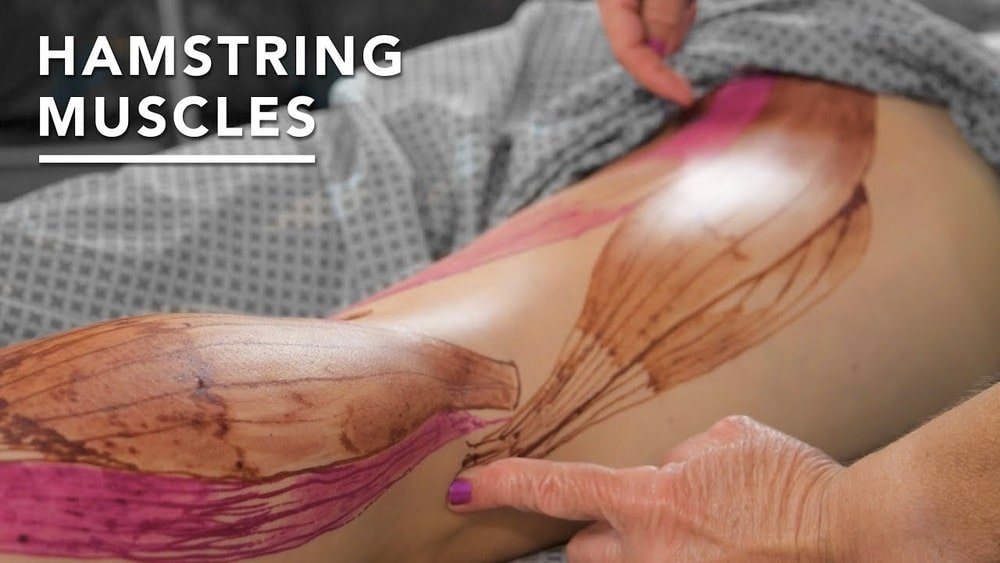
Are your hamstrings feeling tight, sore, or tired? Learning how to massage your hamstrings can bring quick relief and improve your flexibility.
Whether you’re an athlete, someone who sits for long hours, or just want to feel better after a long day, this simple technique can make a big difference. You’ll discover easy-to-follow steps to massage your hamstrings effectively. Keep reading, and you’ll soon enjoy less pain and more freedom in your legs.
Benefits Of Hamstring Massage
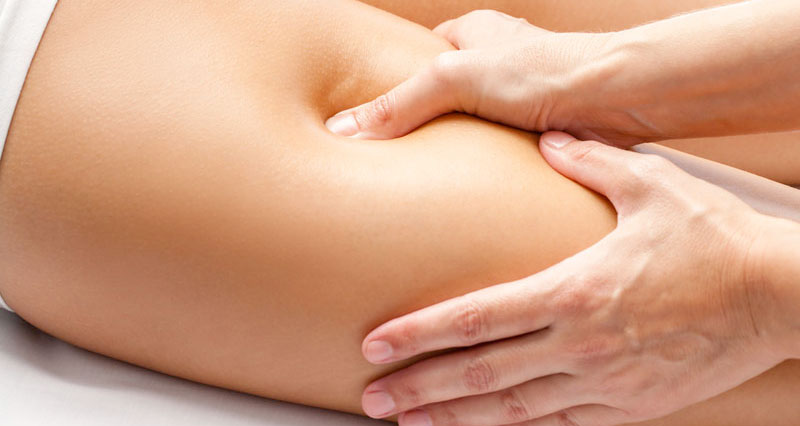
Massaging the hamstrings offers many benefits for the body and mind. This simple practice helps ease pain and stiffness. It also supports better movement and recovery. Understanding these benefits helps you value the power of hamstring massage.
Relieving Muscle Tension
Hamstring massage reduces tightness in the muscles. It loosens knots and eases stiffness. This relief helps lower the risk of injury. It also decreases discomfort from overuse or strain. Relaxed muscles feel softer and less sore.
Improving Flexibility
Regular massage improves hamstring flexibility. Soft tissue work stretches the muscles gently. This increase in flexibility supports better movement. It helps with daily activities and sports. Flexible hamstrings lower the chance of muscle pulls.
Enhancing Blood Flow
Massage boosts circulation in the hamstrings. Better blood flow delivers oxygen and nutrients. It also helps remove waste products from muscles. This process speeds up healing and reduces fatigue. Enhanced circulation keeps muscles healthy and strong.
Preparing For A Hamstring Massage
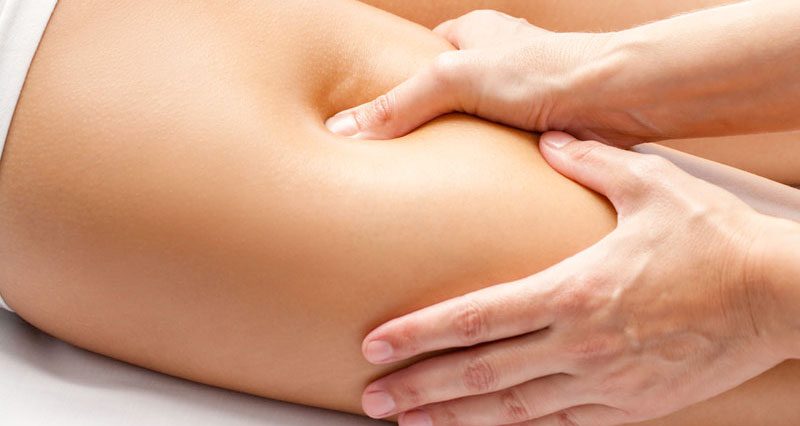
Preparing for a hamstring massage is important for a good experience. It helps your muscles relax and makes the massage more effective. Taking a few simple steps before starting can improve comfort and results. This section covers how to get ready well.
Choosing The Right Environment
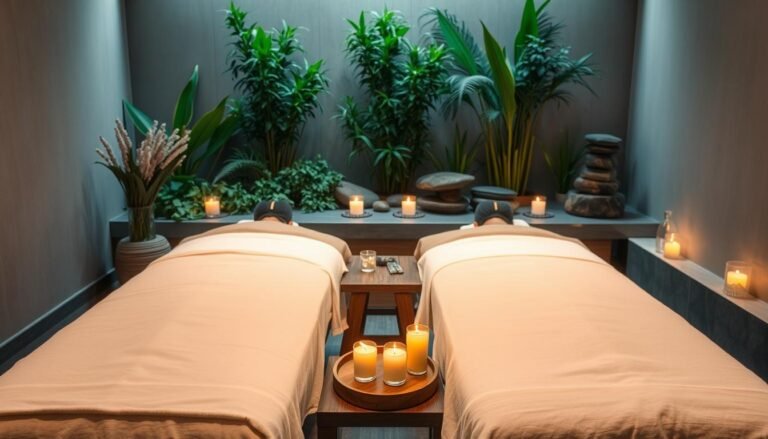
Pick a quiet and clean space for the massage. The room should be warm to avoid muscle stiffness. Use soft lighting to create a calm atmosphere. Remove any distractions like phones or loud noises. A comfortable surface, such as a massage table or firm bed, is best. Clear space around you for easy movement.
Essential Tools And Oils
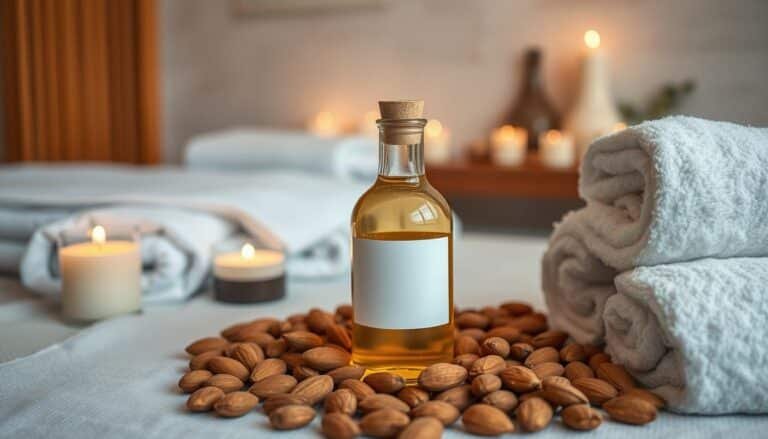
Have a good massage oil or lotion to reduce friction. Choose oils like coconut, almond, or jojoba for smooth strokes. Warm the oil slightly before use to avoid shock. Keep towels nearby to wipe off extra oil. Use pillows or cushions to support the leg during the massage. Clean hands and trimmed nails improve comfort.
Warm-up Techniques
Start by gently stretching the hamstrings. Light walking or slow leg swings can warm the muscles. Use your hands to rub the hamstrings softly before deep massage. Warm muscles respond better and feel less sore. Spend 5 to 10 minutes warming up to prepare the tissue.
Basic Hamstring Massage Techniques
Basic hamstring massage techniques help reduce tightness and improve blood flow. These methods relax the muscles and ease soreness. They work well for athletes, office workers, or anyone with stiff legs. Using simple strokes can make a big difference.
Effleurage Strokes
Effleurage means gentle, gliding strokes. Use the flat part of your hand. Start at the back of the knee and move up to the buttocks. Apply light pressure to warm up the muscles. This stroke helps spread massage oil smoothly.
Kneading Movements
Kneading involves squeezing and lifting the muscle tissue. Use your fingers and thumbs to work deeper into the hamstring. Move slowly and press firmly but not too hard. This technique breaks down muscle knots and boosts circulation.
Circular Frictions
Circular frictions use small, firm circles with your fingertips. Focus on tight or painful spots. Keep the pressure steady and avoid causing pain. This method helps release tension and improves muscle flexibility.

Advanced Techniques For Deep Relief
Advanced techniques help relieve deep tension in the hamstrings. These methods reach beyond surface muscles. They target tight spots and improve muscle flexibility. Using these approaches can reduce pain and improve movement. Practice them carefully for best results.
Trigger Point Therapy
Trigger point therapy focuses on tight knots in the muscle. Apply firm pressure on these spots using fingers or a massage tool. Hold the pressure for 20-30 seconds. This helps release muscle tightness and eases pain. Repeat on each tight area for better relief.
Myofascial Release
Myofascial release targets the connective tissue around muscles. Use slow, gentle strokes with your hands or foam roller. Move along the muscle length to stretch the fascia. This reduces stiffness and improves blood flow. Perform this for 5-10 minutes to loosen the hamstrings.
Cross-fiber Friction
Cross-fiber friction massage moves across the muscle fibers. Use your fingers to rub perpendicular to the muscle direction. This technique breaks down scar tissue and adhesions. It helps restore normal muscle function and reduces pain. Apply for a few minutes on tight spots for best effect.
Self-massage Tips For Hamstrings
Self-massage helps relieve tightness and improve blood flow in the hamstrings. Regular care reduces muscle soreness and prevents injuries. Simple tools and hands-on techniques make self-massage easy to do at home. Focus on gentle pressure and slow movements to get the best results.
Using Foam Rollers
Place the foam roller under your hamstrings while sitting on the floor. Slowly roll your body forward and backward over the roller. Stop on tight or sore spots and hold for 20-30 seconds. Use your arms to support your weight and control pressure. Roll for 1-2 minutes on each leg to relax muscles.
Manual Self-massage Steps
Sit on a chair and extend one leg forward. Use your hands to press and knead the hamstring muscles gently. Start near the back of the knee and move up toward the buttocks. Apply medium pressure and avoid sharp pain. Repeat for 3-5 minutes per leg to ease tension and improve flexibility.
When To Seek Professional Help
Severe pain or persistent tightness needs expert care. A physical therapist can offer targeted treatments and advice. Sudden swelling or sharp pain after injury requires medical attention. Professionals use techniques that are hard to do alone. Don’t delay help if discomfort worsens or lasts more than a week.
Precautions And Contraindications
Massaging the hamstrings can improve flexibility and reduce muscle tightness. Yet, some precautions must be followed. Ignoring these can cause pain or injury. Knowing when to avoid massage helps keep your muscles safe.
Avoiding Injury
Use gentle pressure on the hamstrings, especially if muscles feel sore. Do not press too hard on knots or tender areas. Stop if you feel sharp pain or discomfort. Warm muscles respond better to massage than cold ones. Always warm up before starting the massage.
When To Skip Massage
Do not massage if the skin has cuts, bruises, or rashes. Avoid massage after recent surgery on the leg or hip. Skip massage if swelling or redness appears on the hamstrings. Do not massage if you have a blood clot or deep vein thrombosis. Avoid massage during a fever or infection.
Consulting Healthcare Providers
Talk to a doctor before massaging hamstrings if you have health issues. Conditions like diabetes or nerve problems need special care. A healthcare provider can guide safe massage techniques. Seek advice if you feel unsure about massaging injured muscles. Professional help ensures safe and effective treatment.
Frequently Asked Questions
How Do You Properly Massage Hamstrings?
To massage hamstrings properly, use firm, slow strokes from the knee to the glutes. Apply consistent pressure, knead gently, and avoid causing pain. Warm up the muscles first, and use oil or lotion for smooth motion. This improves blood flow and reduces muscle tightness effectively.
What Are The Benefits Of Hamstring Massage?
Hamstring massage relieves muscle tightness, reduces soreness, and improves flexibility. It enhances blood circulation, speeds up recovery after exercise, and prevents injuries. Regular massage also helps release tension and promotes relaxation in the hamstring muscles.
How Long Should A Hamstring Massage Last?
A hamstring massage should last between 10 to 15 minutes for best results. This duration allows enough time to warm up the muscle, apply deep tissue techniques, and improve circulation without causing discomfort or overstimulation.
Can Hamstring Massage Help With Muscle Cramps?
Yes, hamstring massage can help reduce muscle cramps by relaxing tight muscles and improving blood flow. Massaging gently breaks up muscle knots, eases tension, and promotes faster relief from cramping sensations.
Conclusion
Massaging your hamstrings helps reduce tightness and pain. It improves blood flow and speeds up recovery. Use gentle pressure and slow movements for best results. Regular massage supports better flexibility and muscle health. Take your time and listen to your body.
Enjoy the relief and comfort this simple technique brings. Keep practicing to feel stronger and move easier every day.

giveitlegs@live.com
Contributing writer covering The world's #1 massage chair review and ratings site for all of your luxury massage chair needs..
Related massage chair reviews:
 Which Osaki Massage Chair is Best? 50 Osakis Tested and Reviewed!
 50 Best 4D Massage Chairs Reviewed by Real Customers 2026
 50 Best Ergonomic Massage Chairs Perfect for Tall Individuals Reviewed 2026
 The 45 Best Utopia 3d Massage Chair Rated for 2026
 Best Massage Chairs Under $2000: Your Relaxation Reviews for 2026
 The Best 35 Affordable Full Body Massage Chairs Under $1000 Reviewed