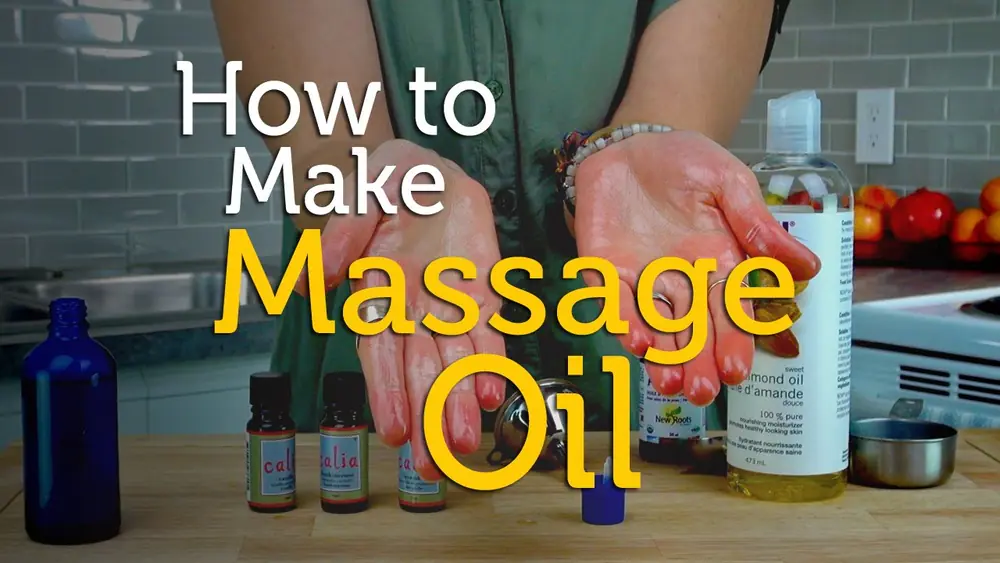
How to Make Massage Oil: Easy Steps for Soothing DIY Blends
Affiliate links — we may earn a commission
Have you ever wanted to create your own massage oil that feels perfect on your skin and smells just the way you like? Making massage oil at home is easier than you think, and it gives you full control over the ingredients.
Imagine having a soothing, natural oil ready whenever you need to relax or share a calming moment with someone special. You’ll discover simple steps to craft your own massage oil that nourishes your body and mind. Keep reading, and soon you’ll be able to enjoy a personalized massage experience right at home.
Choosing The Right Base Oils
Choosing the right base oils is key to making good massage oil. Base oils carry essential oils and help nourish the skin. They affect the texture, absorption, and scent of the massage oil. Picking the right one depends on skin type and the massage purpose.
Popular Carrier Oils
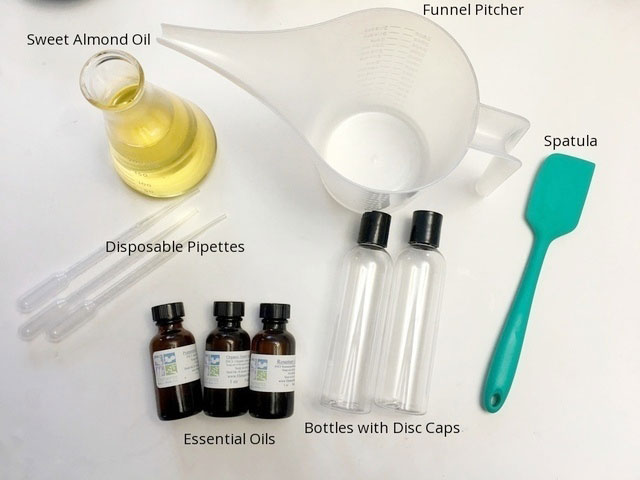
Sweet almond oil is light and smooth. It suits most skin types and feels soft on the skin. Coconut oil is thicker and has a natural scent. It works well in dry or cold weather. Jojoba oil is close to skin’s natural oils. It absorbs quickly without leaving a greasy feel. Grapeseed oil is thin and odorless, good for sensitive skin.
Benefits Of Each Base Oil
Sweet almond oil helps soften and hydrate skin. Coconut oil offers deep moisture and protection. Jojoba oil balances skin oils and calms irritation. Grapeseed oil tightens and tones skin. Each oil has unique vitamins and fatty acids. These nutrients support skin health during massage.
Allergy Considerations
Check for nut allergies before using almond oil. Test a small skin area first to avoid reactions. Some oils may cause redness or itchiness. Avoid oils that irritate your skin. Always choose pure, cold-pressed oils to reduce risks. Knowing allergies keeps massage safe and pleasant.
Selecting Essential Oils
Selecting the right essential oils is key to making effective massage oil. Essential oils bring scent, benefits, and skin care to your blend. Choose oils based on the mood or effect you want.
Some oils calm the mind and body. Others boost energy and focus. Some are gentle and safe for all skin types. Understanding these categories helps you craft the perfect massage oil.
Calming Scents
Lavender is a top choice for calming. It soothes nerves and helps relax muscles. Chamomile also eases tension and promotes peace. Ylang-ylang offers a sweet, floral calm. These scents lower stress and create a quiet mood.
Energizing Aromas
Peppermint wakes up the senses and refreshes the skin. Citrus oils like orange and lemon lift spirits and boost energy. Eucalyptus clears the mind and opens breathing. These oils bring a fresh, lively feeling to massage.
Skin-friendly Options
Sweet almond oil works well as a carrier and nourishes skin. Jojoba oil closely matches natural skin oils and absorbs fast. Coconut oil hydrates deeply and feels smooth. Choose gentle oils to avoid irritation and support healthy skin.
Tools And Supplies Needed
Making your own massage oil is simple and fun. You only need a few basic tools and supplies. These tools help you measure, mix, and store your oil safely. Having the right equipment makes the process smooth and enjoyable.
Measuring Equipment
Accurate measuring is key for good massage oil. Use small measuring spoons or a digital scale. These tools help you add the right amount of each ingredient. Avoid guessing to keep your oil balanced and safe.
Mixing Containers
Choose clean, dry containers for mixing your oils. Glass bowls or stainless steel containers work best. Plastic can sometimes react with oils. Stir gently to blend ingredients well without spilling.
Storage Bottles
Store your massage oil in dark glass bottles. Amber or cobalt blue bottles protect oil from light. Use bottles with tight lids to keep the oil fresh. Small bottles with dropper tops make pouring easy and neat.

Step-by-step Mixing Process
The process of making massage oil is simple and rewarding. It involves mixing different oils carefully to get the right balance. This step-by-step guide will help you create your own massage oil at home. Follow each step to ensure the oil feels smooth and smells pleasant.
Measuring Base Oils
Start by choosing a good base oil. Common options are jojoba, almond, or coconut oil. Measure the amount you want using a clean measuring cup or spoon. Use about 1/4 cup of base oil for a small batch. Accurate measuring helps keep the oil balanced and safe for skin.
Adding Essential Oils
Essential oils add scent and extra benefits. Use only a few drops at a time. About 10 to 15 drops per 1/4 cup of base oil is enough. Choose calming oils like lavender or eucalyptus. Mix slowly to avoid strong smells or skin irritation.
Blending Techniques
Pour the base oil into a clean glass bowl. Add essential oils drop by drop. Stir gently with a spoon or glass stirrer. Blend until the oils mix evenly. Avoid shaking to prevent bubbles. Store the final mix in a dark glass bottle to keep it fresh.
Safety Tips And Precautions
Making your own massage oil can be relaxing and fun. Safety is very important. Using oils without care can cause skin problems or allergies. Follow safety tips to enjoy your massage oil safely. These tips help protect your skin and health.
Dilution Guidelines
Essential oils are very strong. Never use them directly on your skin. Mix essential oils with carrier oils before use. A safe mix is about 1 to 2 percent essential oil. For example, add 6 to 12 drops of essential oil per ounce of carrier oil. This stops skin irritation and sensitivity.
Patch Testing
Test your massage oil before full use. Apply a small amount on your inner wrist or elbow. Wait 24 hours to check for redness or itching. If your skin reacts, do not use that oil. Patch testing helps avoid allergic reactions and rashes.
Storage Advice
Store your massage oils in dark glass bottles. Keep them away from sunlight and heat. Store in a cool, dry place to keep oils fresh. Avoid plastic containers that can react with oils. Proper storage keeps the oil safe and effective for longer.
Customizing Blends For Different Needs
Customizing massage oil blends lets you create the perfect mix for your needs. Different oils offer unique benefits. Mixing them allows you to target relaxation, muscle relief, or energy boosts. Understanding basic blends helps you make oils that work best for your body and mood.
Relaxation Blends
Relaxation blends calm the mind and body. Use lavender, chamomile, or ylang-ylang essential oils. Mix these with a light carrier oil like sweet almond or jojoba. This blend helps ease stress and promotes better sleep. It’s perfect for winding down after a long day.
Muscle Relief Blends
Muscle relief blends soothe sore and tired muscles. Essential oils like peppermint, eucalyptus, and rosemary work well here. Blend them with coconut or grapeseed oil for easy application. This mix cools and relaxes tight muscles. Great after exercise or physical work.
Invigorating Blends
Invigorating blends boost energy and focus. Citrus oils such as orange, lemon, and grapefruit are excellent choices. Combine with a light carrier oil for smooth skin absorption. This blend refreshes the senses and lifts your mood. Ideal for morning use or anytime you need a pick-me-up.
Packaging And Labeling Ideas
Packaging and labeling play a key role in the appeal of homemade massage oil. They protect the oil and make it look inviting. Thoughtful packaging also helps your product stand out and feel special. Simple choices can create a beautiful and practical design.
Choosing Bottles
Pick bottles that keep the oil fresh and safe. Dark glass bottles protect from sunlight and keep oils longer. Small sizes work well for personal use or gifts. Look for bottles with tight caps or droppers. These prevent spills and help control the amount used. Clear bottles show off the color of the oil. Plastic bottles are lighter but less eco-friendly. Choose the type that fits your needs best.
Label Design Tips
Keep labels clean and easy to read. Use simple fonts and clear text. Include the name of the oil and main ingredients. Add instructions for use and any warnings. Use soft colors that match the mood of relaxation. Waterproof labels help if the bottle gets wet. A handmade or rustic look fits well with natural oils. Make sure the label size fits the bottle perfectly.
Gift Presentation
Presentation makes your massage oil a great gift. Wrap the bottle in tissue paper or fabric. Use small boxes or bags to hold the bottle safely. Add a ribbon or twine for a nice touch. Include a small card with a personal message or tips. Natural elements like dried flowers or herbs add charm. Keep the gift simple but thoughtful. Presentation shows care and adds value.
Troubleshooting Common Issues
Making your own massage oil can be fun and relaxing. Sometimes, small problems may happen during the process. These issues can affect the quality of the oil. Knowing how to fix common problems helps you create better massage oil every time.
Oil Separation
Oil separation happens when the ingredients split apart. The oil may look cloudy or have layers. This happens because some oils do not mix well. To fix this, shake the bottle well before each use. Store the oil in a cool, dark place. Use oils that blend well together to avoid separation.
Skin Reactions
Skin reactions can include redness, itching, or bumps. These signs mean the oil may not suit your skin. Some essential oils are strong and cause irritation. Test a small amount on your skin first. Use gentle carrier oils like almond or jojoba. Avoid adding too much essential oil to the mixture.
Scent Fading
The scent of your massage oil may fade over time. Light and air cause essential oils to lose their smell. Store the oil in dark glass bottles with tight lids. Keep the oil away from heat and sunlight. Use fresh essential oils for a strong fragrance. Adding a small amount of vitamin E oil can help keep the scent longer.
Frequently Asked Questions
What Ingredients Are Needed To Make Massage Oil?
To make massage oil, you’ll need a carrier oil like almond or jojoba. Add essential oils such as lavender or eucalyptus for fragrance and benefits. Choose natural, skin-friendly oils for a safe and soothing massage experience.
How Do I Mix Essential Oils With Carrier Oils?
Mix 2-3 drops of essential oil per tablespoon of carrier oil. Blend well to ensure even distribution. This ratio provides a safe concentration for skin application while maximizing therapeutic effects during massage.
Can I Customize Massage Oil Scents At Home?
Yes, you can customize scents by combining different essential oils. Experiment with calming, invigorating, or balancing aromas to suit preferences. Always test a small amount for skin sensitivity before full use.
How Should I Store Homemade Massage Oil?
Store massage oil in a dark, airtight glass bottle. Keep it away from heat and direct sunlight to preserve its quality. Proper storage extends shelf life and maintains the oil’s therapeutic properties.
Conclusion
Making your own massage oil is simple and rewarding. Choose good oils and scents that you enjoy. Mix them carefully, and store the blend in a clean bottle. This way, you control the ingredients and scent strength. Homemade oils can soothe muscles and relax your mind.
Try different combinations to find what suits you best. Enjoy the process and the calming results. Your skin will thank you for the natural care. Give it a try and feel the difference today.
Related massage chair reviews:
 Which Osaki Massage Chair is Best? 50 Osakis Tested and Reviewed!
 50 Best Ergonomic Massage Chairs Perfect for Tall Individuals Reviewed 2026
 50 Best 4D Massage Chairs Reviewed by Real Customers 2026
 The 45 Best Utopia 3d Massage Chair Rated for 2026
 Best Massage Chairs Under $2000: Your Relaxation Reviews for 2026
 30 Best Organic Infant Massage Oils for a Soothing Experience