Are you wondering how often you should massage your fundus? Whether you’re a new mom or a healthcare professional, knowing the right timing can make a big difference in your comfort and recovery.
Massaging the fundus isn’t just a routine step—it can help your body heal faster and prevent complications. But if you do it too often or not enough, it might not work the way you want. Keep reading to discover the ideal frequency and simple tips to get the best results for your health and peace of mind.
Fundus Massage Basics
Understanding the basics of fundus massage is important for new mothers. This technique helps the uterus contract after childbirth. Proper massage can reduce bleeding and discomfort. It also supports faster recovery and improves overall health.
What Is Fundus Massage
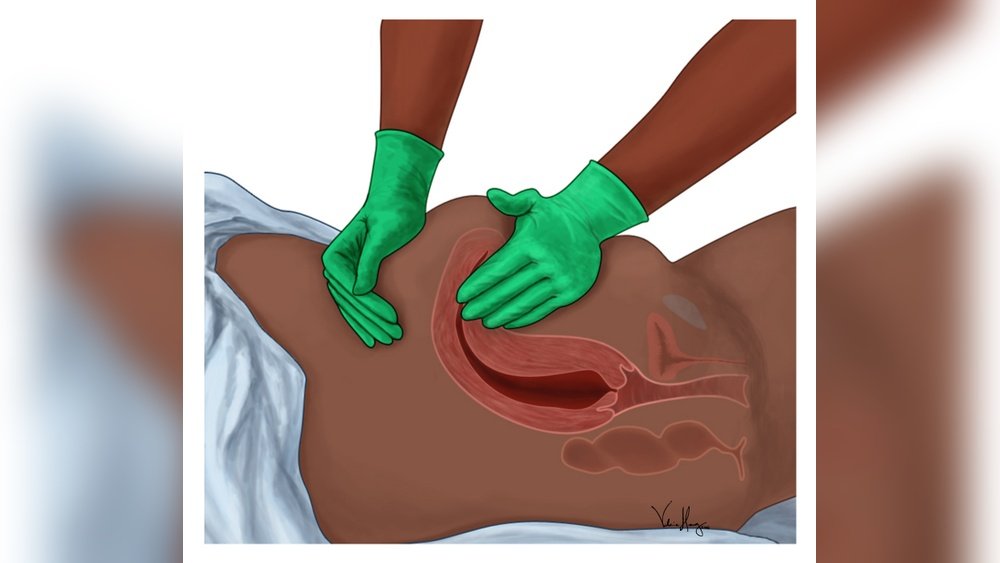
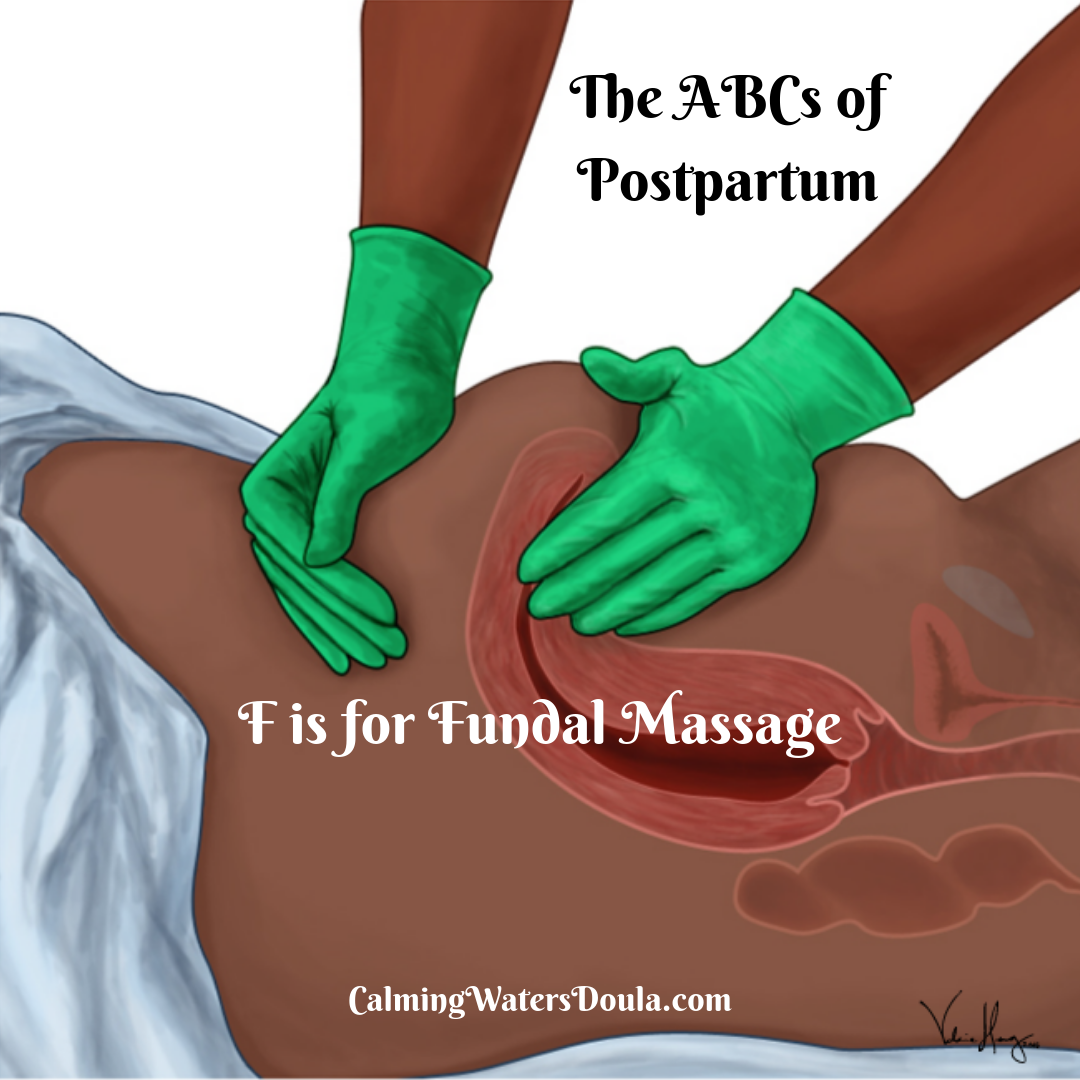
Fundus massage is a gentle pressing on the top of the uterus. The fundus is the upper part of the uterus. Massaging this area helps the uterus shrink to its normal size. It also helps stop heavy bleeding after delivery. The massage should be firm but gentle to avoid pain or injury.
When To Start Massaging
Fundus massage usually starts right after the baby is born. Health professionals often perform the first massage soon after delivery. Mothers can continue the massage as advised by their doctor. It is important not to delay, as early massage helps prevent complications. Always follow medical advice on how often to massage.
Frequency Guidelines
Understanding how often to massage the fundus is key for best results. The right frequency helps improve comfort and supports healing. It depends on your body’s needs and condition. Let’s explore simple guidelines to follow.
Daily Massage Recommendations
Most people benefit from massaging the fundus once a day. This helps reduce muscle tension and promotes blood flow. Use gentle pressure and smooth, circular motions. Keep sessions short—about 5 minutes is enough. Consistency matters more than duration. Daily massage can aid relaxation and support recovery after childbirth.
Adjusting Frequency By Condition
Some conditions may need more or less frequent massages. For example, after surgery or injury, follow your healthcare provider’s advice. If you feel pain or discomfort, reduce how often you massage. On the other hand, mild muscle tightness might improve with two daily sessions. Always listen to your body and adjust as needed. Safety and comfort come first.
Techniques For Effective Massage
Massaging the fundus properly can help with healing and comfort after childbirth. Using the right techniques makes the massage safe and effective. It reduces pain and supports the uterus to return to its normal size. Knowing how to place your hands and how much pressure to apply is key. These simple steps help you do the massage well and avoid injury.
Proper Hand Placement
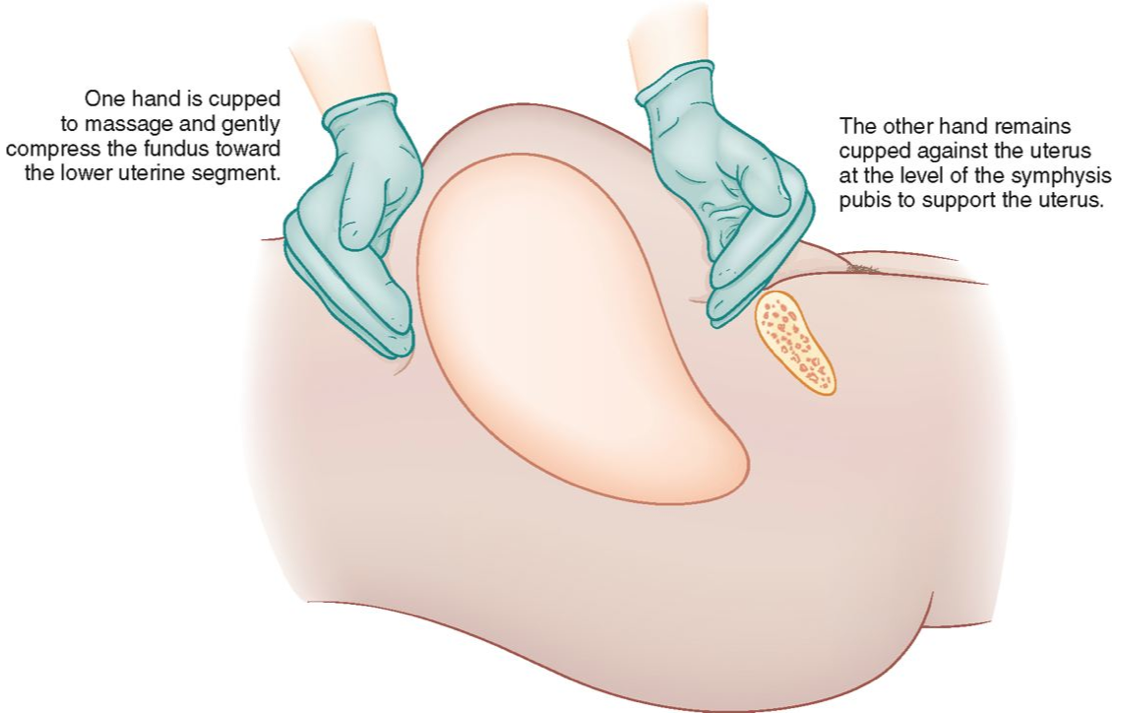
Place one hand just above the pubic bone. This hand supports the lower part of the uterus. Place the other hand gently on the fundus, the top of the uterus. Use your fingers to feel the firm, round shape. Keep your hands steady and avoid sliding them. Proper placement keeps the uterus stable during the massage. It also prevents unnecessary movement that can cause pain.
Massage Pressure Tips
Use gentle but firm pressure on the fundus. Press down slowly and with control. Avoid pressing too hard, which can cause discomfort. The goal is to encourage the uterus to contract, not to hurt. If pain increases, reduce the pressure immediately. Keep your hands relaxed and move in small circles. This helps the uterus shrink and reduces bleeding.

Benefits Of Regular Fundus Massage
Regular fundus massage helps the uterus heal after childbirth. It supports the body’s natural process and reduces risks. This simple care step has clear benefits for new mothers. Understanding these benefits encourages consistent and proper practice.
Massaging the fundus promotes healing and comfort. It helps the uterus return to its normal size faster. This action can prevent complications and improve recovery. Let’s explore the key benefits of regular fundus massage.
Promoting Uterine Contraction
Fundus massage stimulates the uterus to contract. These contractions help shrink the uterus after birth. A smaller uterus lowers the chance of pain and swelling. It also speeds up the healing process inside the body. Regular massage keeps the uterus firm and healthy.
Reducing Postpartum Bleeding
Massaging the fundus helps control bleeding after delivery. The pressure from the massage stops blood vessels from leaking. This reduces the risk of heavy bleeding or hemorrhage. Consistent care lowers the chance of needing extra medical help. It supports safe and steady recovery for new mothers.
Precautions And When To Avoid
Massaging the fundus can help with recovery after childbirth. Still, it requires care to avoid problems. Knowing when to stop and when to avoid massage is very important. This prevents harm and supports healing.
Some situations need extra caution. Understanding signs and consulting experts is key to safe practice.
Signs To Stop Massage
Stop the massage if you feel sharp pain or discomfort. Watch for heavy bleeding or unusual discharge. If the uterus feels very hard or swollen, pause the massage. Dizziness, nausea, or fainting are warning signs too. Do not continue massage if any of these occur.
Consulting Healthcare Providers
Talk to a doctor before starting fundus massage. They can advise based on your health condition. Avoid massage if you have infections or certain medical issues. A healthcare provider guides safe massage frequency and technique. Always seek advice if unsure about symptoms or effects.
Incorporating Massage Into Postpartum Care
Massaging the fundus after childbirth helps the uterus return to its normal size. It also reduces bleeding and eases discomfort. Regular massage supports healing and improves blood flow. It is a gentle way to care for your body after delivery.
Careful attention to how often and how to massage is important. Too much pressure or frequency can cause pain. Finding the right balance helps speed recovery safely.
Combining With Other Recovery Methods
Massage works well with other postpartum care steps. Drinking water and resting support the healing process. Gentle walking helps improve circulation and reduces swelling. Using a warm compress may ease muscle tension. Together, these methods create a strong recovery plan.
Tracking Progress And Results
Keep a simple record of massage sessions and symptoms. Note any changes in bleeding or pain after each massage. Tracking helps understand what works best for your body. Share this information with your healthcare provider for better guidance. Seeing progress encourages continued care and healing.
Frequently Asked Questions
How Often Should I Massage The Fundus Postpartum?
Fundus massage is typically done every 15 minutes in the first hour after delivery. After that, massage frequency depends on uterine tone and bleeding. Always follow your healthcare provider’s instructions for safe and effective fundus massage.
When Is Fundus Massage Necessary After Childbirth?
Fundus massage is necessary if the uterus feels soft or boggy. It helps stimulate uterine contractions and reduce bleeding. It is commonly done during postpartum hemorrhage or uterine atony to prevent complications.
Can Frequent Fundus Massage Cause Discomfort?
Yes, excessive fundus massage can cause pain or tenderness. Massage should be gentle and limited to what’s necessary. Always inform your healthcare provider if discomfort or unusual symptoms occur.
How Long Should Each Fundus Massage Session Last?
Each fundus massage session should last about 1 to 2 minutes. The goal is to stimulate contractions without causing pain. Follow your healthcare provider’s advice on duration and technique.
Conclusion
Massaging the fundus can help your body heal after birth. Doing it gently and often can reduce pain and bleeding. Most experts suggest massaging every 15 minutes at first, then less often as needed. Always listen to your body and ask a healthcare provider if unsure.
Regular care supports your recovery and comfort. Simple steps can make a big difference. Keep it calm and steady. Your health matters most.
Related massage chair reviews:
 Which Osaki Massage Chair is Best? 50 Osakis Tested and Reviewed!
 50 Best 4D Massage Chairs Reviewed by Real Customers 2026
 50 Best Ergonomic Massage Chairs Perfect for Tall Individuals Reviewed 2026
 The 45 Best Utopia 3d Massage Chair Rated for 2026
 Best Massage Chairs Under $2000: Your Relaxation Reviews for 2026
 The Best 35 Affordable Full Body Massage Chairs Under $1000 Reviewed