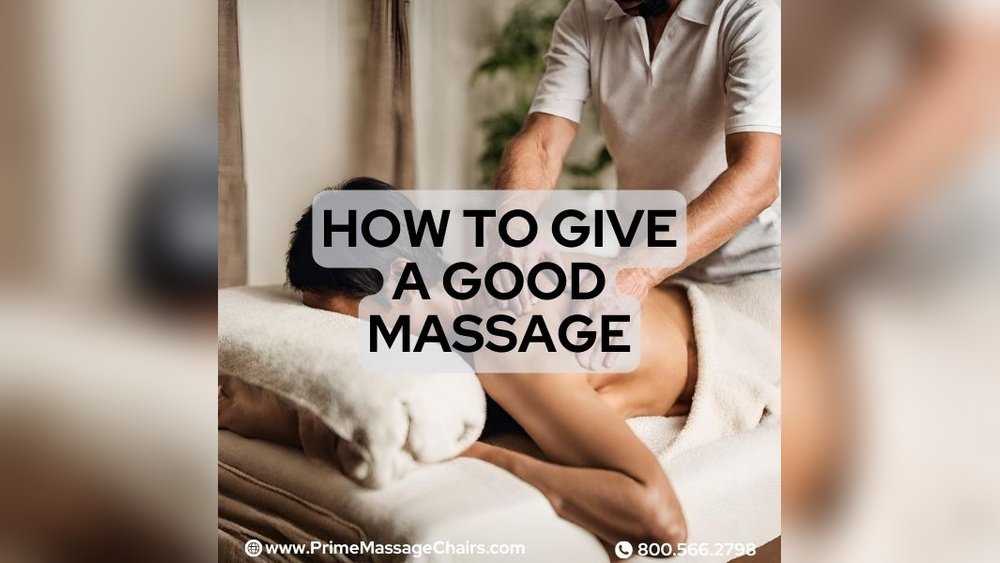
Have you ever wanted to give a massage that truly feels amazing? Imagine your hands easing away tension and stress, making someone feel instantly relaxed and cared for.
You don’t need special training or fancy tools to do this. With a few simple tips and techniques, you can become the person everyone turns to for a great massage. Ready to learn how to give a good massage that leaves a lasting impression?
Keep reading—your hands are about to become your new superpower.

Preparing The Space
Preparing the space is the first step to giving a good massage. A calm and comfortable area helps both the giver and receiver relax. It sets the tone for the entire session. Small details can make a big difference in comfort and mood.
Choosing The Right Environment
Pick a quiet room with enough space to move freely. Avoid places with loud noises or distractions. The room should feel safe and cozy. Make sure the temperature is just right—not too hot or cold. A clean and clutter-free space helps create calmness.
Setting The Mood With Lighting And Music
Soft lighting makes the room peaceful. Use lamps or candles instead of bright overhead lights. Gentle background music can help relax the mind and body. Choose slow, soothing tunes without words. Keep the volume low so it does not distract.
Gathering Essential Supplies
Have all needed items close by before starting. Use good-quality massage oil or lotion to reduce friction. Prepare clean towels or sheets for comfort and hygiene. Keep water nearby to stay hydrated after the massage. Having everything ready avoids interruptions and keeps the flow smooth.
Mastering Basic Techniques
Learning the basic techniques of massage is key to giving a good experience. These simple skills help relax muscles and ease tension. Focus on smooth, steady motions and thoughtful touch. Practice makes the process more natural and effective.
Effective Hand Movements
Start with long, gentle strokes along the body. Use your whole hand to cover larger areas. Circular motions help loosen tight muscles. Keep your movements smooth and consistent. Change direction slowly to avoid discomfort. Pay attention to the person’s reactions and adjust accordingly.
Applying The Right Pressure
Use firm but gentle pressure to avoid pain. Begin lightly and increase pressure as needed. Different body parts need different pressure levels. Avoid hard pressing on bones or sensitive spots. Check in with the person often to ensure comfort. Balanced pressure helps muscles relax without strain.
Using Oils And Lotions
Oils and lotions reduce friction for smooth hand movements. Choose a mild, unscented product to avoid irritation. Warm the oil in your hands before applying. Use just enough to glide easily over the skin. Reapply as needed to keep skin soft and prevent pulling. This makes the massage more pleasant and effective.
Focusing On Key Areas
Focusing on key areas during a massage helps relieve tension and pain effectively. These spots often hold stress from daily activities. Targeting them improves relaxation and comfort. Knowing how to work on these areas makes your massage better.
Neck And Shoulders
The neck and shoulders hold much stress. Use gentle pressure with your fingers. Move in small circles to ease tight muscles. Avoid pressing too hard near the spine. Stretch the shoulders lightly after massage. This helps increase blood flow and reduce stiffness.
Back And Spine
The back and spine need careful attention. Use your palms to apply even pressure. Move upwards and downwards along the muscles beside the spine. Do not press directly on the spine. Focus on the lower back where tension builds. Use long strokes to calm tired muscles.
Hands And Feet
Hands and feet get tired from constant use. Use thumbs to press and knead the palms and soles. Pay attention to the base of the fingers and toes. These areas often hold tightness. Gentle squeezing and rubbing can bring relief. Finish with light strokes to relax these parts fully.

Communicating With The Recipient
Good communication is key to giving a relaxing massage. It helps you understand what feels nice and what does not. Talking with the person receiving the massage makes the experience better for both of you. It builds trust and makes sure the massage is comfortable and safe.
Checking Comfort Levels
Start by asking simple questions about comfort. Is the pressure too hard or too soft? Does the room temperature feel right? Check if the person feels relaxed or tense. Watch their body language for clues. A smile or relaxed muscles are good signs. Frowns or stiff movements show discomfort. Pause and ask often to stay in tune.
Adjusting Techniques Based On Feedback
Listen carefully to what the person says. Change your pressure if they ask for it. Try slower strokes for more relaxation. Use firmer touches if they want deep muscle work. Be ready to stop or change areas if pain occurs. Feedback helps you give a massage that feels just right. Keep talking and adjusting throughout the massage.
Common Mistakes To Avoid
Giving a good massage takes care and attention. Many beginners make simple mistakes that reduce the massage’s comfort and benefit. Avoiding these errors helps create a relaxing and healing experience. This section covers common mistakes to watch out for during a massage.
Overusing Pressure
Applying too much pressure can cause pain and muscle damage. Start with gentle strokes and increase pressure slowly. Pay attention to how the person reacts. Too hard can make muscles tense and stop relaxation.
Ignoring Pain Signals
Listen to the person’s feedback during the massage. Pain is a warning sign. Stop or ease off if they feel discomfort. Ignoring pain can hurt muscles and spoil the massage experience. Comfort matters most.
Skipping Warm-up Strokes
Warm-up strokes prepare the muscles for deeper work. Skipping this step may cause muscle tightness or soreness. Use light, smooth strokes at the start. This helps muscles relax and improves blood flow.
Enhancing Relaxation
Enhancing relaxation is key to giving a good massage. The goal is to calm the mind and soothe the body. Small touches can make a big difference. Simple techniques help create a peaceful space. This way, the person receiving the massage feels truly cared for.
Incorporating Breathing Techniques
Breathing deeply helps relax both the giver and receiver. Ask the person to breathe slowly and deeply. Match your massage strokes with their breath. This rhythm creates a calm, steady flow. It helps ease tension and lowers stress levels.
Using Aromatherapy
Scents can change the mood of the room quickly. Use gentle essential oils like lavender or chamomile. These scents promote calm and peace. Add a few drops to a diffuser or massage oil. Avoid strong smells that might distract or bother.
Ending The Massage Gracefully
Slow down your movements toward the end. Use light, gentle strokes to signal the finish. Allow time for the person to relax and adjust. Offer a warm towel or quiet space afterward. This respectful ending leaves a lasting calm feeling.

Frequently Asked Questions
How Do I Prepare Before Giving A Massage?
Prepare a quiet, warm space with soft lighting. Use clean hands and trimmed nails. Apply massage oil or lotion to reduce friction. Communicate with the person about pressure and comfort. Ensure both are relaxed to maximize the massage benefits.
What Techniques Make A Massage Feel Good?
Use smooth, even strokes like effleurage to warm muscles. Incorporate kneading and circular motions to relieve tension. Vary pressure according to comfort. Avoid quick or harsh movements. Maintain steady rhythm and focus on problem areas for an effective massage.
How Long Should A Good Massage Last?
A good massage typically lasts 20 to 60 minutes. Short sessions focus on specific areas. Longer massages provide full-body relaxation. Adjust duration based on personal preference and comfort. Consistency matters more than length for lasting benefits.
How Important Is Communication During A Massage?
Communication is crucial for comfort and effectiveness. Ask about pressure, pain, or discomfort regularly. Adjust techniques based on feedback. Open dialogue ensures the massage meets the recipient’s needs. It builds trust and enhances the overall experience.
Conclusion
Giving a good massage takes practice and care. Focus on gentle pressure and smooth movements. Listen to the person’s feedback to adjust your touch. Use your hands, fingers, and palms to relax muscles. Keep your pace steady and calm. Remember, comfort and trust matter most.
A good massage helps ease tension and stress. Keep learning and enjoy the process. Everyone can give a soothing massage with patience and kindness. Try often, and you will improve naturally.
Related massage chair reviews:
 Which Osaki Massage Chair is Best? 50 Osakis Tested and Reviewed!
 50 Best Ergonomic Massage Chairs Perfect for Tall Individuals Reviewed 2026
 50 Best 4D Massage Chairs Reviewed by Real Customers 2026
 The 45 Best Utopia 3d Massage Chair Rated for 2026
 Best Massage Chairs Under $2000: Your Relaxation Reviews for 2026
 The Best 35 Affordable Full Body Massage Chairs Under $1000 Reviewed