Are you struggling with the discomfort and unsightly appearance of varicose veins? You might be wondering if massage can offer real relief.
Imagine easing that heaviness and swelling in your legs with a simple, soothing touch. But does massage actually help varicose veins, or could it make things worse? You’ll discover the surprising truth about massage and varicose veins—and learn what you can do to feel better fast.
Keep reading to find out how to take control of your vein health today.
Varicose Veins Basics
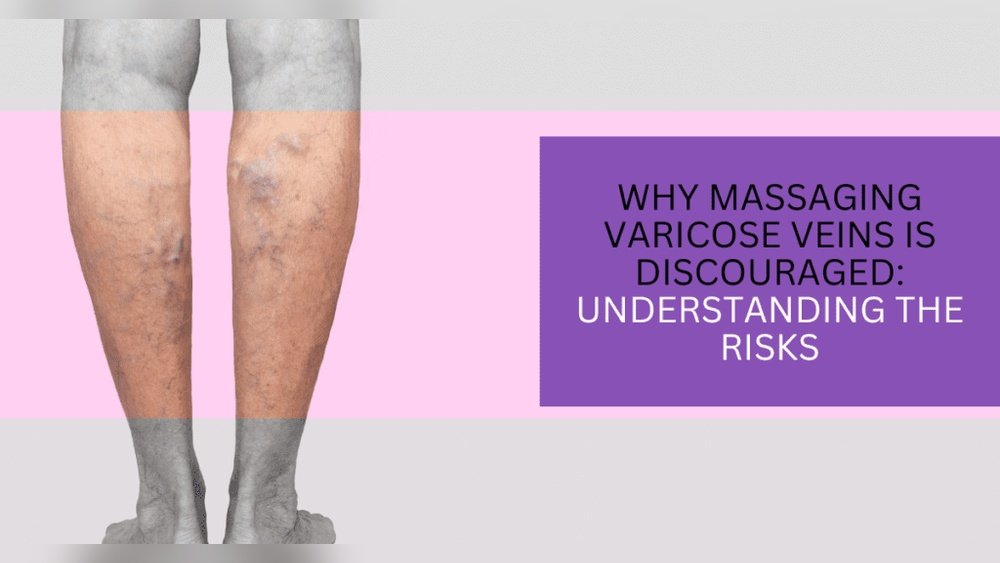
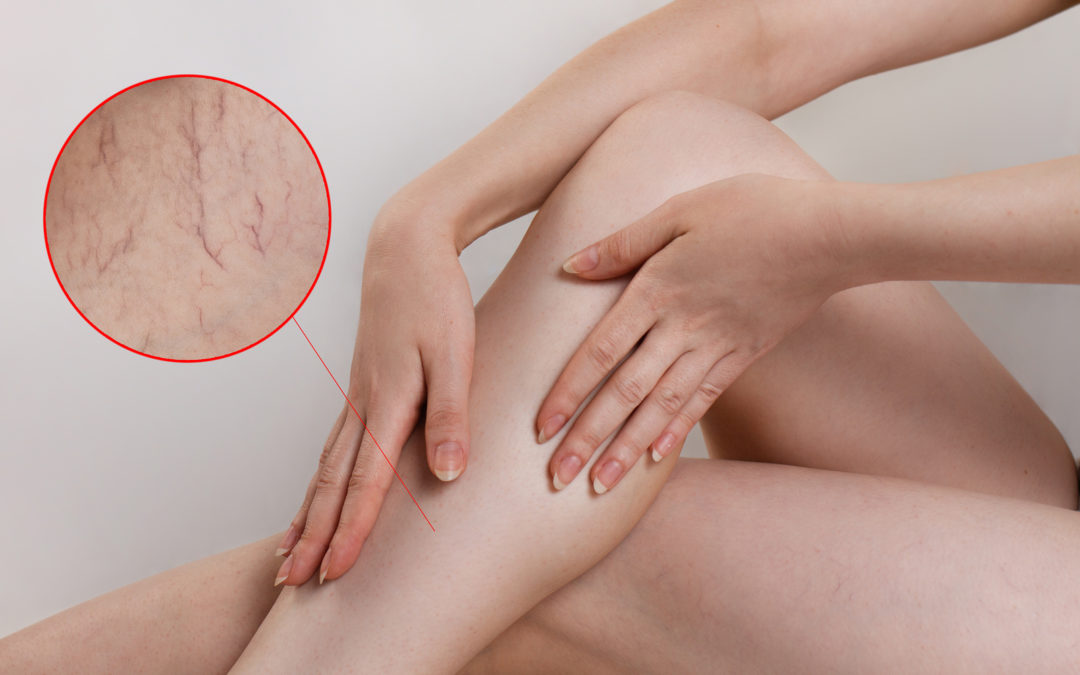
Varicose veins are swollen, twisted veins visible under the skin. They usually appear in the legs and feet. These veins happen when valves inside the veins do not work well. Blood then pools instead of flowing to the heart. This causes the veins to stretch and bulge.
Understanding varicose veins helps in managing their symptoms and effects. Knowing the causes and risks guides better care choices.
Causes And Symptoms
Varicose veins develop due to weak vein walls or faulty valves. Standing or sitting for long times adds pressure to leg veins. Age and genetics also play a big role. Women often get varicose veins after pregnancy or hormone changes.
Common symptoms include aching legs, swelling, and visible blue or purple veins. Some people feel heaviness or itching around the veins. Pain may worsen after long periods of standing.
Health Risks
Most varicose veins cause discomfort but no serious harm. Untreated veins can lead to skin changes or ulcers. Blood clots may form in deeper veins, causing serious issues. These clots can block blood flow or travel to the lungs.
Early care reduces risks and improves comfort. Knowing the risks helps in deciding when to seek medical help.
Massage Techniques For Varicose Veins
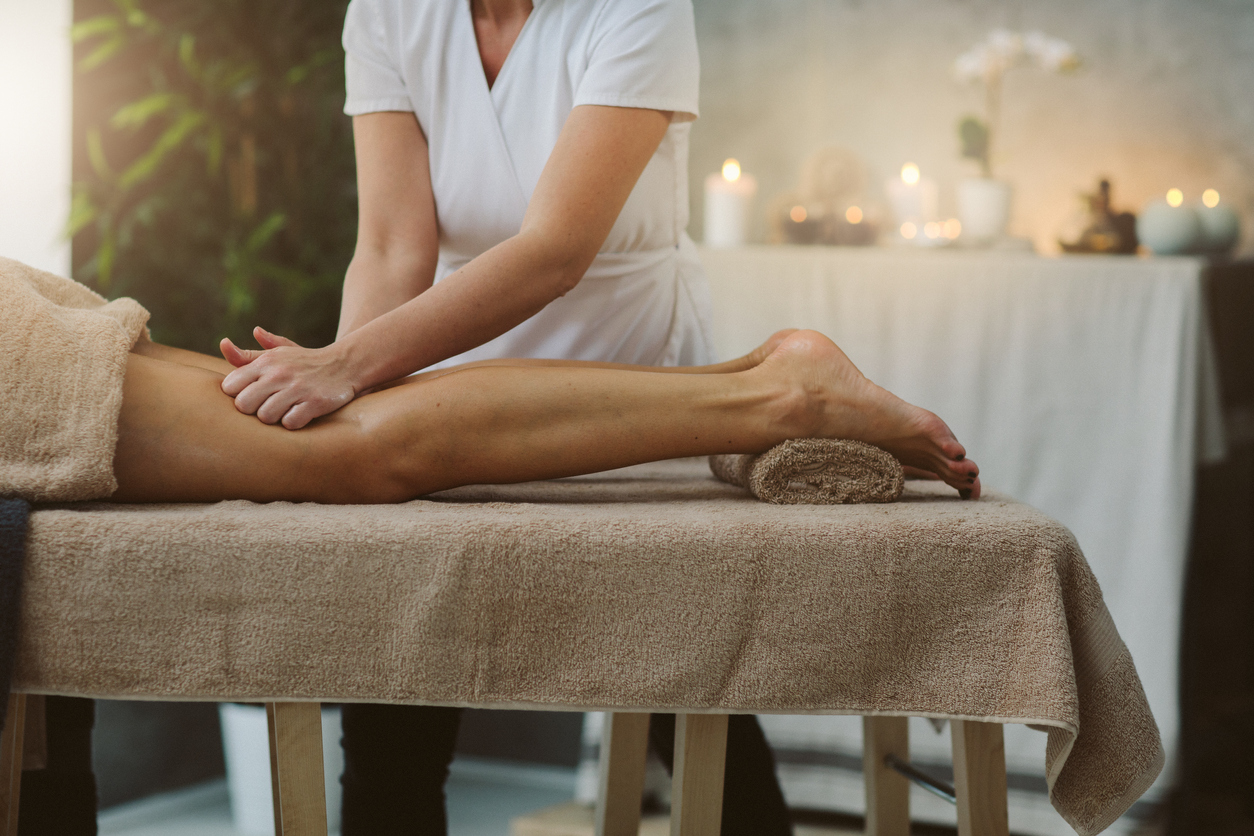
Massage can help ease discomfort from varicose veins. Certain techniques improve blood flow and reduce swelling. Knowing the right massage methods is important for safety and results. Below are some popular types of massage and tips for safe practice.
Types Of Massage
Swedish massage uses gentle strokes to increase circulation. It helps move blood from legs back to the heart. This technique reduces leg heaviness and pain.
Lymphatic drainage massage targets the lymph system. It reduces fluid buildup and swelling near varicose veins. The pressure is very light and slow.
Deep tissue massage applies firm pressure. It eases muscle tension around veins. This helps improve vein function but should be done carefully.
Safe Practices
Avoid strong pressure directly on varicose veins. This can cause damage or worsen symptoms. Focus on areas around the veins instead.
Massage legs upward, from ankles to thighs. This helps blood flow toward the heart. Do not massage downward or against circulation.
Use gentle oils or creams to reduce friction. This prevents skin irritation during massage. Always check skin condition before starting.
Stop massage if pain or swelling increases. Consult a doctor before trying massage for varicose veins. Safety is key to effective relief.
Potential Benefits Of Massage
Massage can offer several benefits for people with varicose veins. It helps the body in gentle, natural ways. These benefits may ease discomfort and support vein health. Below are some key ways massage might help.
Improving Circulation
Massage encourages better blood flow in the legs. It helps push blood back toward the heart. This can reduce the pressure in swollen veins. Better circulation also supports the healing process in damaged veins.
Reducing Swelling
Swelling often comes with varicose veins. Massage helps move excess fluid away from affected areas. This can reduce puffiness and heaviness in the legs. Less swelling means more comfort and easier movement.
Pain Relief
Massage can ease the pain linked to varicose veins. It relaxes tight muscles around the veins. This reduces tension and soreness in the legs. Regular massage sessions may help lower pain levels over time.

Limitations And Risks
Massage can feel soothing for varicose veins but it has limits and risks. Not all types of massage are safe for everyone with varicose veins. The wrong massage may cause pain or worsen vein problems. Knowing when to avoid massage is important for your health.
When Massage May Harm
Massaging directly over large varicose veins can cause damage. It might lead to bruising or swelling. Deep pressure may push blood clots loose, which is dangerous. People with blood clot risks or skin infections should skip massage. Avoid massage after recent vein surgery or treatments.
Signs To Avoid Massage
Stop massage if the skin is red, warm, or tender. These signs show infection or inflammation. Avoid massage if you feel sharp pain or numbness. Swelling that suddenly worsens is a warning sign. Consult a doctor before massage if you have heart or circulation problems.
Scientific Evidence And Studies
Scientific studies explore how massage affects varicose veins. They focus on blood flow, pain relief, and vein health. Understanding these findings helps decide if massage is a good option. Research offers clear insights, while expert views add practical advice.
Research Findings
Studies show massage can improve blood circulation in legs. Better flow may reduce swelling around varicose veins. Some research notes less leg pain after gentle massage. Yet, strong evidence about healing veins is limited. Most studies recommend mild, careful massage only. Too much pressure might harm fragile veins.
Expert Opinions
Doctors suggest massage as a way to ease discomfort. They warn against deep or aggressive massage on varicose veins. Experts highlight massage benefits for relaxation and reducing muscle tension. They advise combining massage with other treatments for best results. Overall, professionals support massage but with caution and care.
Alternative Treatments
Varicose veins cause discomfort and affect many people. Massage may help, but it is not the only option. Many alternative treatments can reduce symptoms and improve vein health. These treatments range from simple daily habits to medical procedures. Understanding these alternatives helps in managing varicose veins better.
Compression Therapy
Compression therapy uses special stockings or sleeves. These apply pressure to the legs. The pressure helps blood flow back to the heart. It prevents blood from pooling in the veins. Compression stockings reduce pain and swelling. They are easy to use and often recommended by doctors.
Lifestyle Changes
Simple lifestyle changes improve vein health. Regular exercise, like walking, boosts blood circulation. Avoid standing or sitting for long hours. Elevate your legs when resting to reduce swelling. Maintain a healthy weight to lessen pressure on veins. Drink plenty of water and eat fiber-rich foods. These habits support vein strength and reduce discomfort.
Medical Procedures
Medical procedures treat varicose veins more directly. Sclerotherapy injects a solution that closes damaged veins. Laser therapy uses light to seal off veins. Vein stripping removes large varicose veins through small cuts. These treatments require a doctor’s advice and care. They offer lasting relief from pain and appearance problems.
Tips For Managing Varicose Veins At Home
Managing varicose veins at home can ease discomfort and improve leg health. Simple daily habits help reduce swelling and support better blood flow. These tips focus on easy actions anyone can do to feel better.
Small changes in movement, diet, and care make a big difference. Consistency matters most for long-term relief and healthier legs.
Exercise And Diet
Regular exercise helps blood move through veins. Walking, swimming, and cycling are gentle choices. Avoid sitting or standing for long periods without breaks.
Eat foods rich in fiber and low in salt. Fiber reduces pressure on veins by preventing constipation. Salt causes water retention and swelling, so limit it.
Leg Elevation
Raising legs above heart level improves blood flow back to the heart. Do this several times a day for 15 minutes. Use pillows or a footrest to keep legs raised comfortably.
Elevating legs reduces pressure on vein walls and swelling. It also eases pain and tiredness in the legs.
Skin Care
Keep skin clean and moisturized to avoid dryness and irritation. Dry skin can crack and cause infections near varicose veins.
Check legs daily for any changes like redness or sores. Use gentle creams and avoid harsh soaps that dry the skin. Protect skin from sun damage with appropriate clothing.
Frequently Asked Questions
Does Massage Improve Varicose Vein Symptoms?
Massage can help reduce discomfort from varicose veins. It improves blood flow and eases muscle tension. However, it cannot cure or remove varicose veins. Always consult a healthcare provider before massage if you have severe vein issues.
Is Massage Safe For Varicose Veins?
Gentle massage is generally safe for mild varicose veins. Avoid deep or aggressive massage on affected areas, as it may worsen symptoms. Consult your doctor or a certified therapist before starting massage therapy for varicose veins.
Can Massage Prevent Varicose Veins From Worsening?
Massage may help improve circulation, potentially slowing varicose vein progression. However, it is not a guaranteed prevention method. Combining massage with healthy lifestyle changes offers the best chance of managing varicose veins effectively.
What Type Of Massage Is Best For Varicose Veins?
Light, gentle massage techniques like lymphatic drainage are best for varicose veins. These help stimulate blood flow without causing damage. Avoid deep tissue or vigorous massages on swollen or painful veins.
Conclusion
Massage can offer relief for some symptoms of varicose veins. It helps improve blood flow and reduce swelling in the legs. Still, massage does not cure varicose veins or remove them. Gentle techniques work best to avoid hurting sensitive areas.
Always talk to a doctor before starting any new treatment. Combining massage with healthy habits may ease discomfort. Remember, regular exercise and proper leg care support vein health. Small steps add up to better comfort and well-being. Keep your legs moving and listen to your body.
Related massage chair reviews:
 Which Osaki Massage Chair is Best? 50 Osakis Tested and Reviewed!
 50 Best 4D Massage Chairs Reviewed by Real Customers 2026
 50 Best Ergonomic Massage Chairs Perfect for Tall Individuals Reviewed 2026
 The 45 Best Utopia 3d Massage Chair Rated for 2026
 Best Massage Chairs Under $2000: Your Relaxation Reviews for 2026
 The Best 35 Affordable Full Body Massage Chairs Under $1000 Reviewed