Are you tired of dealing with that sharp, shooting pain running down your leg? Sciatica can make even simple tasks feel like a struggle.
You might be wondering if there’s a way to find relief without relying on medications or invasive treatments. Could massage be the answer you’ve been searching for? Keep reading to discover how massage might help ease your sciatica pain and improve your daily life.
This could be the key to feeling better faster than you think.
What Is Sciatica Pain
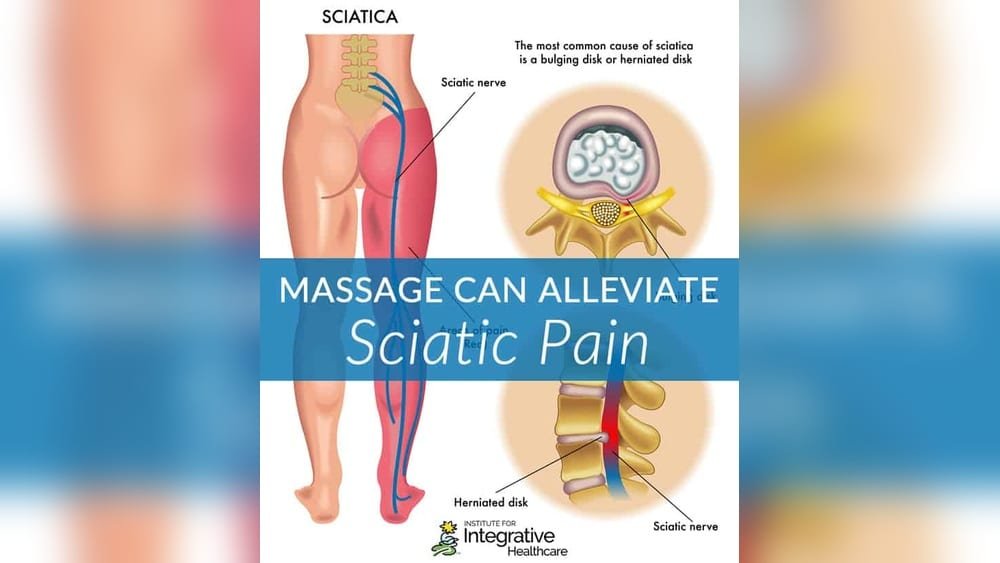
Sciatica pain affects many people worldwide. It causes discomfort along the sciatic nerve. This nerve runs from the lower back down to each leg. Understanding sciatica pain helps to manage it better.
The pain can range from mild to severe. It often feels like a sharp, burning, or shooting pain. Sometimes numbness or weakness may occur in the leg or foot.
What Causes Sciatica Pain?
Sciatica pain happens when the sciatic nerve is pressed or irritated. A herniated disk often causes this pressure. Other causes include spinal stenosis, bone spurs, or muscle spasms.
Where Does Sciatica Pain Occur?
The pain usually starts in the lower back. It moves through the buttocks and down the back of the leg. It may affect one or both legs but often only one side.
How Does Sciatica Pain Feel?
People describe sciatica as sharp or burning pain. It may feel like electric shocks or a deep ache. Sometimes, there is numbness or tingling in the leg or foot.
Who Gets Sciatica Pain?
Sciatica can affect anyone but is common in adults aged 30 to 50. People with jobs that involve heavy lifting or prolonged sitting are at higher risk. Obesity and poor posture also increase the chance of sciatica.
Causes And Symptoms
Sciatica pain can cause discomfort and limit daily activities. Understanding the causes and symptoms helps manage this condition better. Sciatica occurs when the sciatic nerve gets irritated or compressed.
This nerve runs from the lower back through the hips and down each leg. Problems in the lower spine often trigger sciatica. Symptoms vary but usually affect one side of the body.
What Causes Sciatica?
The most common cause is a herniated disc pressing on the nerve. Spinal stenosis, or narrowing of the spine, also leads to nerve pressure. Muscle spasms and injuries in the lower back can trigger pain. Poor posture and prolonged sitting add to the risk. Sometimes, conditions like piriformis syndrome irritate the sciatic nerve.
Common Symptoms Of Sciatica
Pain usually starts in the lower back and radiates down the leg. It can feel sharp, burning, or like electric shocks. Numbness or tingling may appear in the leg or foot. Muscle weakness on the affected side is also common. Symptoms often worsen with movement or sitting for long periods.
How Massage Therapy Works
Massage therapy helps reduce pain and ease muscle tightness linked to sciatica. It targets areas of tension that press on the sciatic nerve. This can lower pain and improve movement.
Massage increases blood flow to affected areas. This helps heal damaged tissues and reduces inflammation. The gentle pressure also calms the nervous system, which lowers pain signals.
Relieving Muscle Tension
Sciatica pain often comes from tight muscles pressing on the nerve. Massage loosens these muscles to reduce pressure. This creates space for the nerve to function better.
Improving Blood Circulation
Better blood flow brings oxygen and nutrients to injured areas. Massage helps flush out waste products that cause inflammation. This speeds up the healing process and reduces pain.
Calming The Nervous System
Massage triggers the release of endorphins, natural painkillers in the body. It also lowers stress hormones that increase pain sensitivity. This makes the body feel more relaxed and less tense.
Enhancing Flexibility And Movement
Regular massage can improve joint and muscle flexibility. This helps reduce stiffness linked to sciatica. Easier movement supports overall recovery and comfort.
Types Of Massage For Sciatica
Massage therapy can ease sciatica pain by relaxing tight muscles and improving blood flow. Different types of massage target the pain and discomfort in unique ways. Choosing the right massage depends on your pain level and personal comfort. Below are common massage types used for sciatica relief.
Deep Tissue Massage
Deep tissue massage focuses on the deeper layers of muscle and connective tissue. It uses slow, firm pressure to reach tight areas. This massage helps break down knots that press on the sciatic nerve. It also reduces inflammation and eases muscle stiffness. Many find it effective for chronic sciatica pain.
Swedish Massage
Swedish massage uses gentle, long strokes to relax the entire body. It improves blood circulation and helps reduce overall tension. This type is less intense and good for those new to massage. It can relieve mild sciatica pain by loosening tight muscles around the lower back and hips.
Trigger Point Therapy
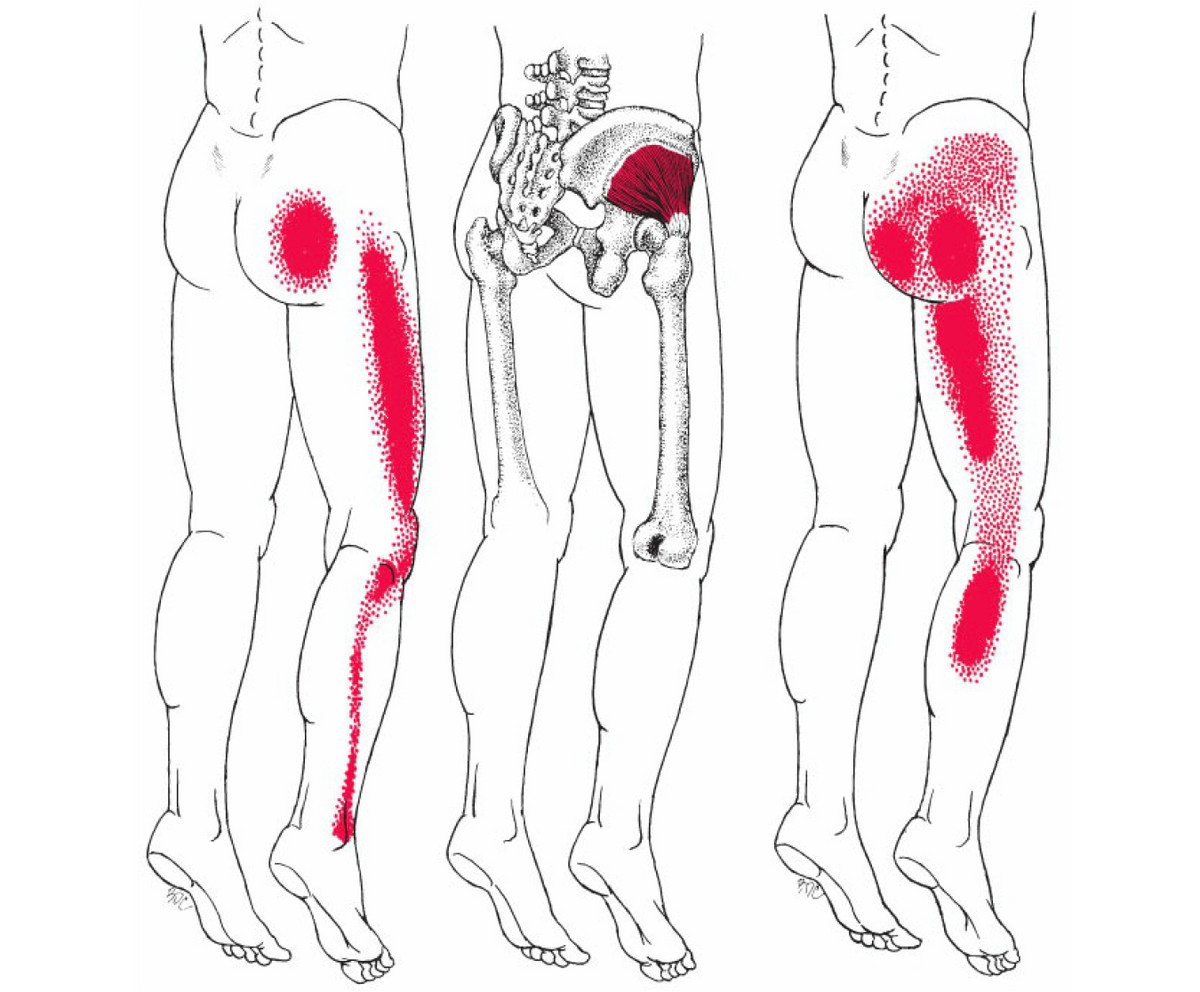
Trigger point therapy targets specific tight spots, called trigger points, in muscles. These points can cause pain to radiate along the sciatic nerve. Applying focused pressure to these areas helps release tension. This therapy reduces pain and improves muscle function. It works well for pinpointing sciatica pain sources.
Scientific Evidence On Massage Benefits
Massage therapy is often suggested for sciatica pain relief. Studies have tested its effects on nerve pain and muscle tension. Research shows massage can reduce pain and improve movement. It helps by relaxing muscles and lowering inflammation.
Many patients report feeling less pain after massage sessions. Scientists are exploring how massage affects the body at a deeper level. The results support massage as a useful part of sciatica care.
Massage And Pain Reduction
Several studies prove massage reduces pain in sciatica patients. Gentle pressure on muscles eases nerve irritation. This lowers the pain signals sent to the brain. People often feel relief after just a few sessions.
Impact On Muscle Tightness
Sciatica often causes tight muscles around the lower back and legs. Massage helps loosen these muscles. Relaxed muscles reduce pressure on the sciatic nerve. This leads to less pain and better movement.
Improvement In Blood Flow
Massage increases blood flow to affected areas. Better circulation helps heal damaged tissues. It also reduces swelling near the sciatic nerve. Increased blood flow supports faster recovery.
Limitations Of Current Research
Some studies have small sample sizes or short follow-up periods. More research is needed to confirm long-term benefits. Not all patients respond the same to massage therapy. It works best combined with other treatments.
Potential Risks And Considerations
Massage can help reduce sciatica pain, but it is not without risks. Knowing the potential risks helps you decide if massage is right for you. Some people may feel worse after a massage. Others may have side effects that need care.
Talking to a doctor before massage is important. A trained massage therapist should handle your treatment. They must know your health history and pain level. This helps avoid problems and keeps you safe.
Possible Worsening Of Symptoms
Massage may irritate the sciatic nerve in some cases. Too much pressure can cause more pain or numbness. Be careful with deep tissue massage around the lower back. Stop massage if pain grows or spreads.
Risk Of Injury
Wrong massage techniques can injure muscles or nerves. People with weak bones or spinal issues are at higher risk. Tell the therapist about any bone diseases or fractures. Avoid forceful or rough massage if you have these problems.
Underlying Medical Conditions
Some health issues make massage unsafe. Conditions like blood clots, infections, or skin problems can get worse. People with heart problems or high blood pressure must be cautious. Always get medical advice before starting massage.
Allergic Reactions To Oils Or Lotions
Massage oils and lotions may cause allergies or skin irritation. Test a small skin area before full massage. Use natural, hypoallergenic products to reduce risk. Inform the therapist about any allergies or sensitivities.
Temporary Side Effects
Soreness, bruising, or tiredness can happen after massage. These effects usually go away in a day or two. Drink water and rest after massage to help recovery. Report any severe or lasting side effects to your therapist.
Combining Massage With Other Treatments
Combining massage with other treatments often provides better relief for sciatica pain. Massage helps relax muscles and ease tension. Other therapies can target different causes of pain. Together, they create a balanced approach to healing.
This combination can reduce pain faster and improve mobility. It supports the body’s natural healing process. Many patients find that using more than one method works best.
Physical Therapy And Massage
Physical therapy improves strength and flexibility. It focuses on exercises that support the lower back and legs. Massage complements this by loosening tight muscles. This makes stretching and movement easier and less painful.
Heat And Cold Therapy Alongside Massage
Heat therapy soothes stiff muscles and boosts blood flow. Cold therapy reduces swelling and numbs sharp pain. Using these treatments with massage can increase comfort. The combination helps manage inflammation and muscle tightness effectively.
Medications To Support Massage Benefits
Over-the-counter pain medicines can reduce sciatica pain. They help control inflammation and discomfort. Taking medications with massage may allow lower doses. This reduces side effects while keeping pain in check.
Chiropractic Care And Massage
Chiropractic adjustments realign the spine and ease nerve pressure. Massage helps relax muscles around the spine. Together, they can improve posture and reduce nerve irritation. This combo often leads to longer-lasting relief.
Exercise And Lifestyle Changes With Massage
Regular exercise strengthens the back and core muscles. A healthy lifestyle supports overall healing and pain control. Massage prepares muscles for activity and helps recovery. Using these methods together promotes better long-term results.
Tips For Choosing A Massage Therapist
Choosing the right massage therapist can affect how well sciatica pain improves. Not all therapists have the same skills or experience. Picking a qualified and understanding professional matters a lot. This section shares simple tips to find a good massage therapist for sciatica relief.
These tips help you feel confident about your choice. A good therapist knows how to treat sciatica safely and effectively. Here is what to consider before booking a session.
Check Qualifications And Certifications
Make sure the therapist has proper training and licenses. Certified therapists follow safety standards and use correct techniques. Ask about their education and special training for nerve pain.
Ask About Experience With Sciatica
Choose a therapist who has worked with sciatica patients. Experience helps them understand your pain better. It also means they know how to avoid moves that could hurt you.
Read Reviews And Get Recommendations
Look for reviews from other clients with sciatica. Positive feedback shows the therapist’s skill and care. You can also ask friends or doctors for trusted suggestions.
Discuss Your Pain And Needs
Talk clearly about your sciatica symptoms before the massage. A good therapist listens and adjusts the treatment. They should explain what to expect and answer your questions.
Consider Comfort And Communication
Feeling relaxed with your therapist is important. Good communication helps build trust. Choose someone who respects your comfort and privacy.
Self-massage Techniques For Sciatica
Self-massage can help ease sciatica pain by loosening tight muscles. It improves blood flow and reduces pressure on the sciatic nerve. Regular self-massage supports faster recovery and less discomfort.
Using simple techniques at home allows control over pressure and focus areas. It also saves time and money compared to professional massages. Learning basic methods helps manage pain daily.
How To Locate Pain Points For Sciatica
Start by identifying sore spots along your lower back, hips, and legs. Use your fingers to press gently. Notice areas that feel tender or tight. These spots usually cause sciatic pain.
Focus on muscles around the buttocks and lower spine. These muscles often press on the sciatic nerve. Finding the right spots makes massage more effective.
Using Your Hands For Effective Sciatic Massage
Apply gentle pressure with your thumbs or knuckles to the pain points. Move in slow circular motions. Avoid pressing directly on bones. Keep your hands relaxed to prevent strain.
Massage for 3 to 5 minutes on each side. Repeat twice daily for best results. Consistency helps reduce muscle tightness and nerve pain.
Tools To Enhance Self-massage For Sciatica
Use a tennis ball or foam roller to reach hard areas. Place the ball between your body and a wall or floor. Roll slowly over sore muscles to release tension.
Foam rollers help by applying even pressure on large muscle groups. Start gently and increase pressure as you feel comfortable. These tools support deeper massage without effort.

Frequently Asked Questions
Does Massage Therapy Relieve Sciatica Pain Effectively?
Massage therapy can reduce sciatica pain by relaxing muscles and improving blood flow. It eases nerve pressure and decreases inflammation. While not a cure, regular sessions help manage symptoms and enhance mobility. Always consult a healthcare provider before starting massage treatment for sciatica.
How Often Should I Get Massages For Sciatica Relief?
Frequency depends on pain severity and individual response. Generally, 1-2 sessions per week help reduce discomfort initially. After improvement, monthly maintenance massages may suffice. Always follow advice from your healthcare professional for a personalized plan.
Can Massage Worsen Sciatica Symptoms?
Improper massage techniques or excessive pressure may aggravate sciatica pain. It’s important to choose a trained therapist experienced with nerve issues. Always communicate your pain levels during sessions to avoid worsening symptoms and ensure safe treatment.
What Types Of Massage Help Sciatica Pain Best?
Deep tissue and trigger point massages effectively target tight muscles causing sciatica. Swedish massage also promotes relaxation and blood circulation. Combining methods tailored to your condition often yields the best results for pain relief.
Conclusion
Massage can help reduce sciatica pain for many people. It relaxes tight muscles and improves blood flow. This can ease pressure on the sciatic nerve. Not everyone feels the same relief, though. Combining massage with exercise and good posture works best.
Always talk to a doctor before trying new treatments. Regular massage sessions may support your healing process. Small steps add up to big improvements. Give your body time to respond and heal. Pain relief is possible with the right care and patience.
Related massage chair reviews:
 Which Osaki Massage Chair is Best? 50 Osakis Tested and Reviewed!
 50 Best 4D Massage Chairs Reviewed by Real Customers 2026
 50 Best Ergonomic Massage Chairs Perfect for Tall Individuals Reviewed 2026
 The 45 Best Utopia 3d Massage Chair Rated for 2026
 Best Massage Chairs Under $2000: Your Relaxation Reviews for 2026
 The Best 35 Affordable Full Body Massage Chairs Under $1000 Reviewed