Are you struggling with that constant tingling or numbness in your hand? Carpal tunnel syndrome can make simple tasks painful and frustrating.
You might be wondering if there’s an easy way to find relief without relying solely on medication or surgery. What if a massage could help ease your discomfort and improve your hand’s function? Keep reading to discover how massage therapy might be the key to unlocking comfort and getting your hands back to feeling their best.
Carpal Tunnel Basics
Carpal tunnel syndrome affects many people worldwide. It happens when a nerve in the wrist gets squeezed. This nerve controls feeling and movement in the hand and fingers. Understanding the basics helps in managing symptoms better.
Knowing what causes carpal tunnel and who is at risk guides better care. It also explains why massage might help relieve pain and stiffness.
Symptoms And Causes
Common symptoms include numbness, tingling, and weakness in the hand. Many feel pain that travels from the wrist to the fingers. These symptoms often get worse at night or with hand use.
The main cause is pressure on the median nerve inside the wrist. This pressure can come from swelling or thickening of nearby tissues. Repetitive hand movements and wrist positions can increase this pressure. Injuries and certain health conditions may also cause carpal tunnel syndrome.
Who Is At Risk
People who use their hands a lot for work or hobbies face higher risk. This includes typing, assembly line work, or using tools. Women are more likely to develop carpal tunnel than men. Age also matters; risk increases after age 40.
Other risk factors include diabetes, arthritis, and pregnancy. These conditions can cause swelling or nerve problems. Knowing these risks helps in early detection and treatment.
Massage Benefits For Carpal Tunnel
Massage offers several benefits for people with carpal tunnel syndrome. It helps reduce pain and improves hand function. Regular massage can ease the symptoms and support healing. Understanding how massage helps can guide you to better care.
How Massage Eases Pain
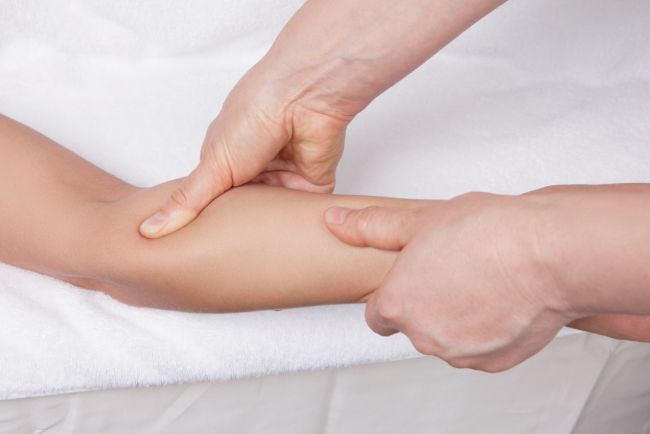
Massage targets the muscles and tissues around the wrist. It reduces muscle tension that adds pressure on the median nerve. Gentle pressure helps calm nerve irritation. This relief can lower pain levels and discomfort. Massage also triggers the release of natural painkillers in the body.
Improving Blood Flow And Mobility
Massage boosts blood flow to the affected area. Better circulation brings more oxygen and nutrients to tissues. This helps reduce swelling and promotes healing. Increased movement from massage prevents stiffness. It supports better wrist flexibility and hand strength over time.
Effective Massage Techniques
Effective massage techniques can help reduce carpal tunnel symptoms. They ease pain, lower swelling, and improve hand movement. These methods focus on the wrist, hand, and surrounding muscles. Regular massage may help prevent stiffness and support healing.
Massage also helps increase blood flow to the affected areas. This speeds up recovery and relieves nerve pressure. Using proper techniques ensures safe and effective relief for carpal tunnel issues.
Wrist And Hand Massage Methods
Start by gently rubbing the wrist in small circles. Use your thumb to press around the base of the palm. Move slowly and avoid causing pain. Massage the fingers one by one, paying close attention to sore spots. Use light strokes to relax muscles and tendons. Repeat these motions for five to ten minutes each day.
Focus on the underside of the wrist where the carpal tunnel lies. Apply gentle pressure with your fingers, then release. This helps ease tightness and improves nerve flow. Avoid deep or harsh pressure that might worsen symptoms.
Using Stretching And Pressure Points
Stretch the wrist by bending it forward and backward slowly. Hold each stretch for about 10 seconds. Repeat several times to increase flexibility. Stretching reduces tension around the carpal tunnel.
Pressure points in the hand and forearm can also help. Apply gentle pressure with your thumb on the inner forearm. Move your thumb in small circles for a minute or two. This technique relaxes muscles and relieves nerve stress.
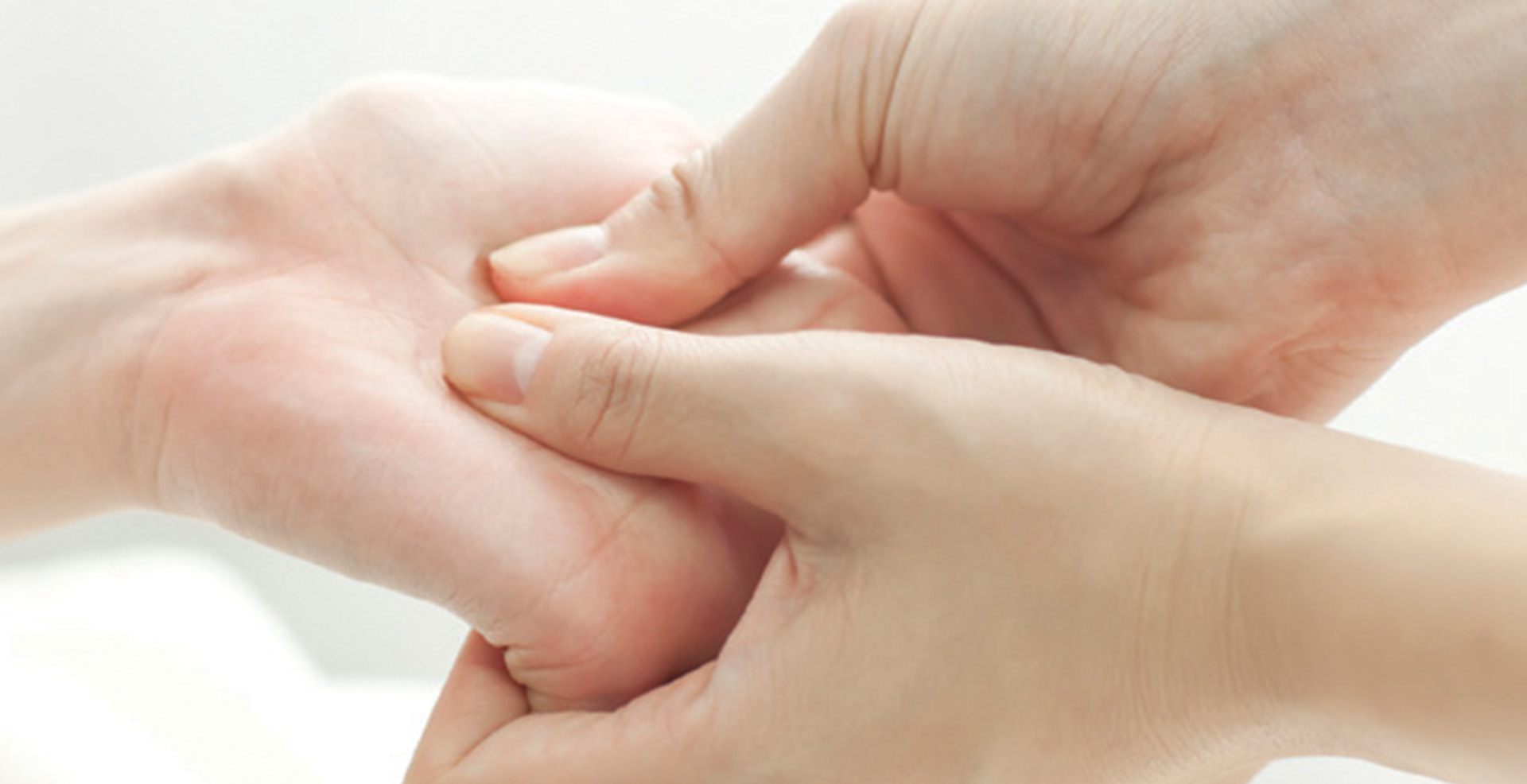
Try pressing the base of the thumb and the middle of the palm. These spots often hold tension related to carpal tunnel. Use light pressure and slow movements to soothe discomfort.
Self-massage Tips
Self-massage can ease carpal tunnel pain by improving blood flow and reducing tension. Regular practice may help relieve numbness and stiffness in the hands and wrists. These self-massage tips are easy to do at home. They require little time and no special skills.
Simple Moves To Try At Home
Start by gently rubbing the palm of your hand with your thumb. Move in small circles to relax tight muscles. Next, press and release along the wrist’s underside to ease nerve pressure. Use your fingers to stretch each finger slowly. Repeat these steps for both hands. These simple moves can reduce discomfort and improve hand function.
Tools To Enhance Relief
Small tools can boost the effects of self-massage. A soft rubber ball works well for rolling under your palm. Massage sticks or wooden rollers help target specific spots. Warmth from a heated pad before massage relaxes muscles further. Use these tools gently and avoid pressing too hard. They offer extra relief and comfort during your routine.
When To Seek Professional Help
Massage can relieve carpal tunnel symptoms for some people. But it is not always enough. Knowing when to get professional help is important. This helps avoid worsening pain or nerve damage. Early action can protect your hand and wrist health.
Signs Massage Isn’t Enough
Persistent numbness or tingling is a warning sign. Weakness in your fingers or thumb also means more care is needed. If pain wakes you at night, do not ignore it. Swelling or a burning feeling may show nerve issues. These symptoms need a doctor’s checkup. Continuing self-treatment alone might delay healing or cause harm.
Choosing A Therapist
Pick a therapist trained in nerve and hand care. Look for someone with experience treating carpal tunnel. Ask about their techniques and success stories. A good therapist listens and adapts treatment to your needs. They work with your doctor if needed. This ensures safe and effective care for your wrist.
Additional Therapies For Relief
Massage can ease carpal tunnel symptoms, but other therapies also help. Combining treatments often gives better relief. Two key approaches include ergonomic adjustments and specific exercises. Both support hand health and reduce pressure on the wrist.
Ergonomic Adjustments
Changing how you use your hands at work lowers wrist strain. Use a keyboard and mouse that fit your hand size. Keep your wrists straight and avoid bending them up or down. Adjust your chair and desk height to keep your arms relaxed. Taking short breaks helps reduce continuous pressure on the wrist.
Exercise And Stretching
Gentle exercises improve wrist strength and flexibility. Stretch your fingers, hands, and wrists several times a day. Simple wrist bends and rotations can ease tightness. Strengthening muscles around the wrist supports the carpal tunnel. Regular movement helps blood flow and reduces numbness or pain.

Frequently Asked Questions
Can Massage Relieve Carpal Tunnel Pain Effectively?
Massage can reduce carpal tunnel pain by improving blood flow and relaxing wrist muscles. It eases nerve pressure and decreases inflammation, providing relief. Regular massage helps maintain wrist flexibility and reduces stiffness, making it a beneficial complementary therapy for carpal tunnel syndrome.
What Type Of Massage Helps Carpal Tunnel Syndrome?
Deep tissue and myofascial release massages target tight muscles and fascia around the wrist. These techniques relieve pressure on the median nerve, reducing pain and numbness. Gentle hand and wrist massages also improve circulation and promote healing, aiding carpal tunnel recovery.
How Often Should I Get Massage For Carpal Tunnel?
For optimal results, aim for massage sessions two to three times per week initially. Consistency helps reduce symptoms and improves wrist mobility. After symptoms improve, weekly or biweekly massages can maintain relief and prevent flare-ups of carpal tunnel syndrome.
Can Massage Replace Medical Treatment For Carpal Tunnel?
Massage is a helpful complementary therapy but should not replace medical treatment. Severe cases may require splints, medications, or surgery. Always consult a healthcare professional for proper diagnosis and treatment alongside massage therapy.
Conclusion
Massage can ease pain and reduce pressure in the wrist. It helps improve blood flow and relax tight muscles. Many people find relief from carpal tunnel symptoms this way. Still, massage works best with other treatments like rest and stretches.
Talk to a healthcare provider before starting any new therapy. Regular care and attention can protect your hands and wrists. Small steps make a big difference in feeling better. Keep your hands moving and avoid strain whenever possible.
Related massage chair reviews:
 Discover the Top 50 Myofascial Release Essentials for a Pain-Free Life
 Best Hand Massager for Rheumatoid Arthritis: Effective Relief and Comfort
 Will a Massage Help a Pinched Nerve | Expert Guide
 Which Osaki Massage Chair is Best? 50 Osakis Tested and Reviewed!
 50 Best 4D Massage Chairs Reviewed by Real Customers 2026
 The Best 35 Affordable Full Body Massage Chairs Under $1000 Reviewed