Are you struggling with bursitis pain that just won’t go away? You’re not alone, and finding relief can feel frustrating.
But what if a simple, natural method like massage could ease your discomfort and help you move more freely? You’ll discover how massage might be the key to calming your bursitis symptoms. Keep reading to learn how this approach works and whether it could be the solution you’ve been searching for.
What Is Bursitis?
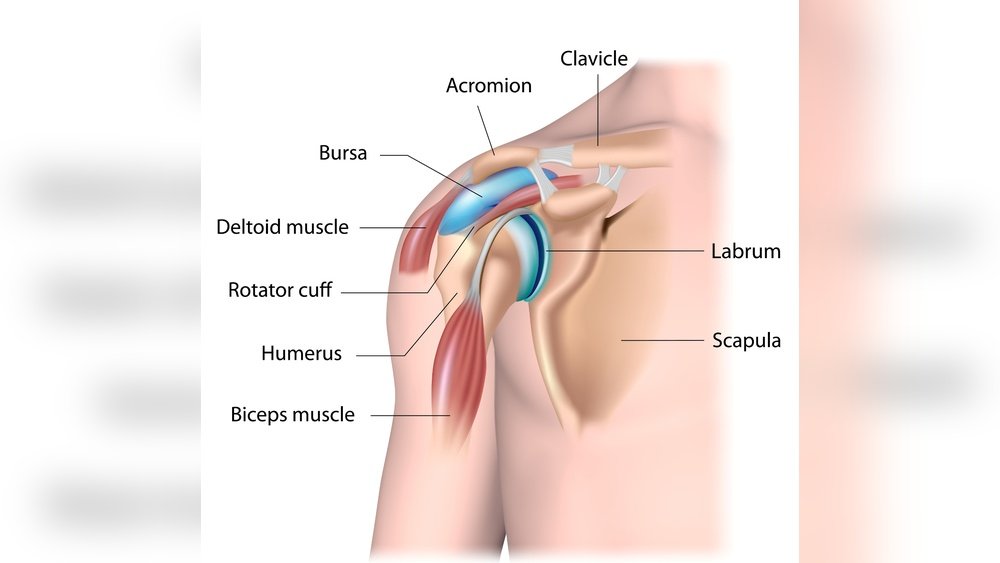
Bursitis is a condition that affects the small, fluid-filled sacs called bursae. These sacs cushion bones, tendons, and muscles near joints. When bursae become inflamed, it causes pain and discomfort. Bursitis commonly occurs in shoulders, elbows, hips, and knees.
Inflammation limits joint movement and causes swelling. It often results from repeated movements or pressure on the joint. Understanding bursitis helps in managing pain and seeking the right treatment.
Common Causes
Repetitive motion or overuse of joints can cause bursitis. Injuries or trauma to the joint also trigger inflammation. Poor posture or improper body mechanics strain the bursae. Sometimes infections can lead to bursitis as well. Age and certain medical conditions increase the risk.
Symptoms To Watch
Key symptoms include pain around the affected joint. Swelling and redness may appear near the bursae. The joint feels stiff and movement is limited. Pain often worsens with activity or pressure. Tenderness and warmth can also signal bursitis.
How Massage Affects Bursitis
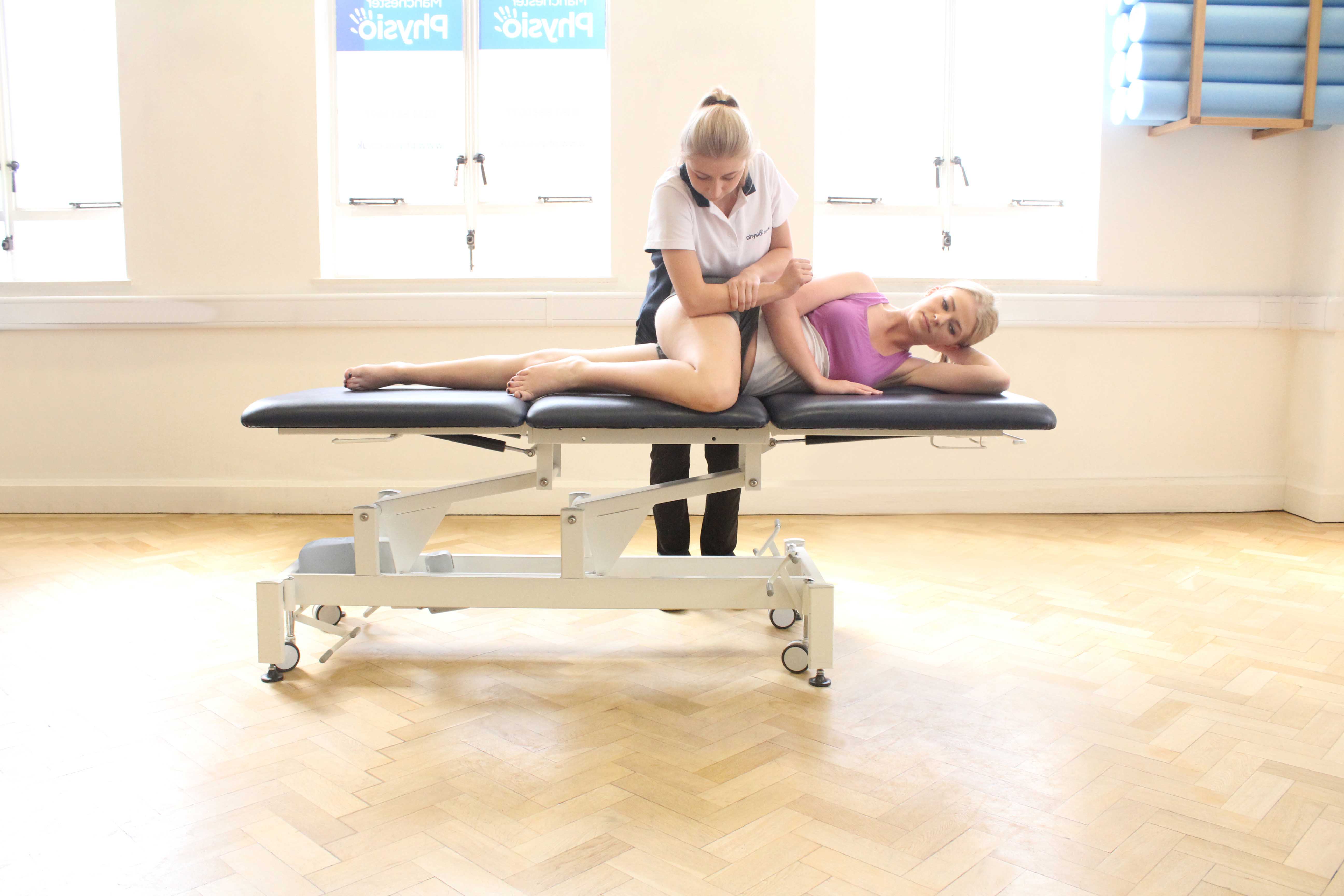
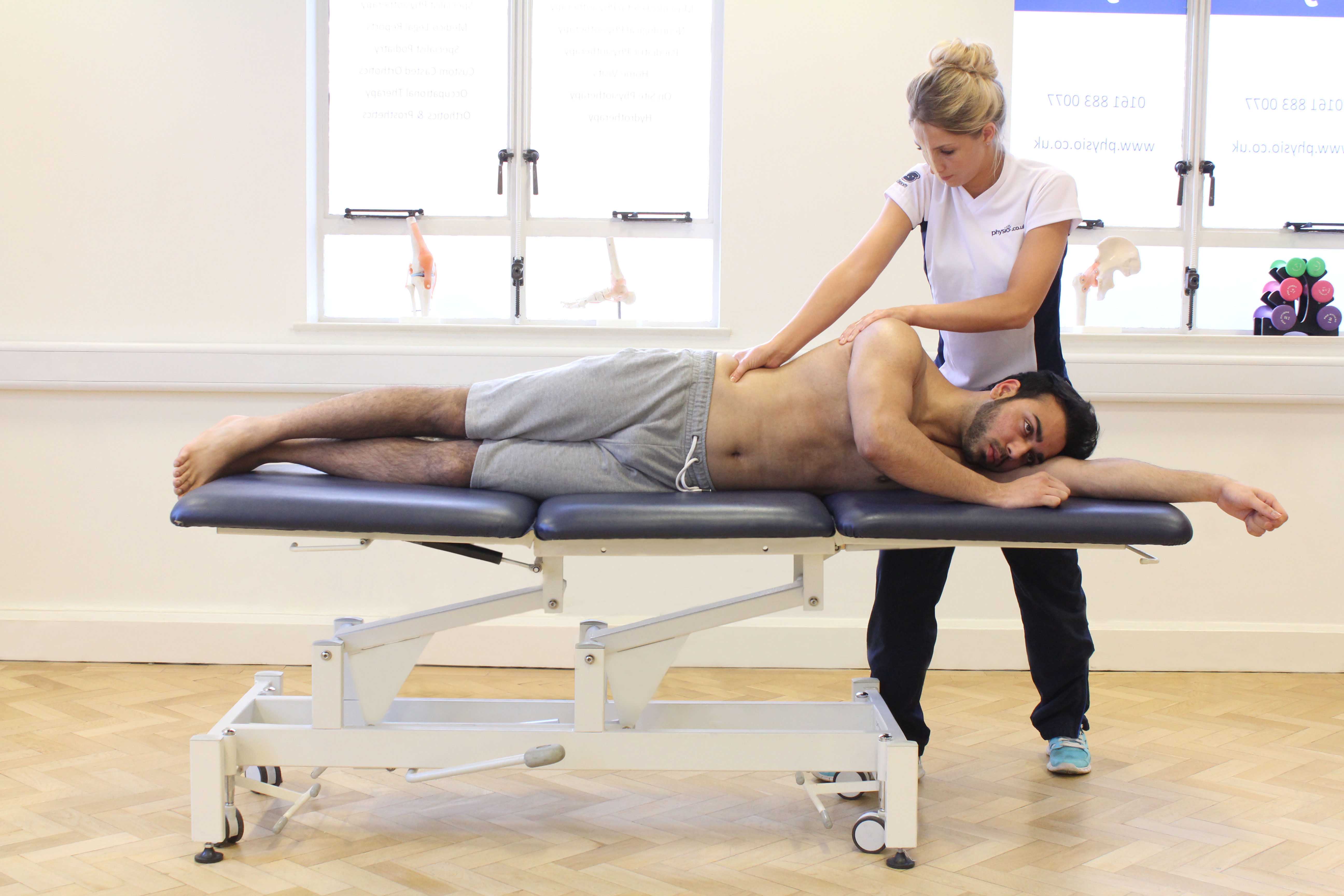
Bursitis causes pain and swelling near joints. Massage can help ease these symptoms by improving blood flow and relaxing muscles. It targets the areas around the bursa to reduce stiffness and discomfort.
Massage affects bursitis by reducing tension and encouraging healing. It helps break down scar tissue and promotes better movement. The right massage techniques can calm inflamed tissues and lower pain levels.
Types Of Massage Techniques
Different massage styles work well for bursitis. Swedish massage uses gentle strokes to increase circulation. Deep tissue massage applies more pressure to reach tight muscles. Trigger point therapy focuses on specific painful spots to relieve tension. Each method targets bursitis in unique ways.
Impact On Inflammation And Pain
Massage reduces inflammation by boosting blood flow to injured areas. This helps clear out waste and brings nutrients to tissues. It also calms nerve endings, which lowers pain signals. Regular massage may help decrease swelling and improve joint flexibility.
Scientific Evidence On Massage For Bursitis
Scientific evidence on massage for bursitis explores how massage affects inflammation and pain. Bursitis causes swelling and discomfort near joints. Massage may help reduce pain and improve movement. Studies and experts provide insight into massage benefits for bursitis patients.
Clinical Studies Summary
Some studies show massage can lower pain in bursitis. Gentle massage improves blood flow around the inflamed bursa. Better circulation helps reduce swelling. Research finds massage may increase joint flexibility. However, the number of studies is small. More research is needed to confirm long-term effects.
One clinical trial found that massage combined with physical therapy eased shoulder bursitis pain. Another study showed massage helped reduce symptoms faster than rest alone. These results suggest massage can support bursitis treatment. Yet, massage should be done carefully to avoid worsening the condition.
Expert Opinions
Many health professionals recommend massage as part of bursitis care. Physical therapists often use massage to relax muscles near the bursa. This can reduce pressure and help healing. Doctors advise gentle, targeted massage rather than deep pressure. Experts warn against massage during acute flare-ups with severe inflammation.
Massage therapists stress the importance of customized treatment plans. They assess each patient’s pain and condition before starting massage. Experts agree that massage works best with other treatments like rest and medication. Overall, massage is a helpful tool but not a cure for bursitis.
Benefits Of Massage Therapy
Massage therapy offers several benefits for people suffering from bursitis. It helps ease symptoms and supports healing. Regular massage sessions can improve daily comfort and quality of life.
Improved Mobility
Massage helps loosen tight muscles around the affected joint. This loosening increases joint flexibility and range of motion. Better mobility allows easier movement and reduces stiffness caused by bursitis.
Pain Reduction
Massage stimulates blood flow, which helps reduce inflammation. It also lowers muscle tension, easing pain in the bursitis area. Many people find massage helps lessen discomfort without medication.
Stress Relief
Living with bursitis can cause stress and frustration. Massage promotes relaxation by calming the nervous system. Less stress can improve overall well-being and help the body heal faster.
Potential Risks And Precautions
Massage may offer relief for bursitis, but it carries some risks. Knowing these risks helps protect your health. Taking precautions ensures massage does not worsen your condition.
Massage can irritate inflamed bursae or cause pain if done incorrectly. Certain situations make massage unsafe. Understanding when to avoid massage is important.
When To Avoid Massage
Avoid massage during active bursitis flare-ups with intense pain or swelling. Do not massage over infected areas or open wounds. Avoid massage if you have blood clots or skin conditions near the bursitis site. Skip massage if it causes sharp pain or discomfort.
Consulting Health Professionals
Always talk to your doctor before starting massage for bursitis. A healthcare provider can confirm diagnosis and suggest safe treatments. Physical therapists can offer specialized massage techniques suited to your condition. They guide pressure and duration to avoid harm.
Alternative Treatments For Bursitis
Bursitis causes pain and swelling near joints. It can limit movement and affect daily activities. Besides massage, several alternative treatments can help reduce symptoms. These methods target inflammation and improve joint function.
Physical Therapy Options
Physical therapy helps restore joint movement and strength. Therapists use exercises to stretch and strengthen muscles. These exercises reduce pressure on the bursa and ease pain. Heat and cold treatments often support therapy sessions. Ultrasound or electrical stimulation may speed up healing. Therapy focuses on improving posture and joint use. This approach helps prevent bursitis from returning.
Medication And Injections
Medications reduce pain and inflammation quickly. Over-the-counter pain relievers like ibuprofen or naproxen are common. Doctors may prescribe stronger anti-inflammatory drugs if needed. Corticosteroid injections target the inflamed bursa directly. These shots provide fast, powerful relief of swelling and pain. Injections should be used carefully and under medical advice. They help patients regain comfort and move easily.
Combining Massage With Other Therapies
Combining massage with other therapies can improve bursitis treatment. Massage alone may not address all symptoms. Using multiple methods can reduce pain and speed healing. This approach supports overall joint health and mobility.
Holistic Approach
A holistic approach treats the body as a whole. Massage relaxes muscles and improves blood flow. Physical therapy strengthens muscles around the joint. Pain relief methods include heat, cold, and medication. Each therapy supports the others for better results. Doctors and therapists often recommend combining these treatments.
Lifestyle Adjustments
Simple lifestyle changes help manage bursitis symptoms. Resting the affected area prevents further damage. Proper posture reduces strain on joints. Regular low-impact exercise keeps joints flexible. Healthy weight lowers pressure on bursae. Avoiding repetitive movements decreases inflammation. These adjustments work well with massage therapy.
Choosing The Right Massage Therapist
Choosing the right massage therapist matters for bursitis relief. A skilled therapist can ease pain and improve movement. Poor technique might worsen symptoms. Take time to find a therapist who understands bursitis well. Check their experience and approach before booking a session.
Qualifications To Look For
Find a therapist with proper training and licenses. They should have certification in therapeutic massage or physical therapy. Experience with bursitis or joint conditions is a big plus. Look for therapists who study anatomy and muscle function. This knowledge helps them target painful areas safely.
Questions To Ask
Ask about their experience treating bursitis. How do they adjust massage for sensitive areas? What types of massage do they use for inflammation? Check if they work with doctors or physical therapists. Understand their approach to pain management and recovery. Clear answers help you feel confident and safe.

Frequently Asked Questions
Can Massage Reduce Bursitis Pain Effectively?
Massage can help reduce bursitis pain by improving blood flow and decreasing muscle tension. It eases inflammation and promotes healing. However, it should be gentle and done by a professional to avoid worsening the condition.
What Type Of Massage Is Best For Bursitis?
Swedish and deep tissue massages are commonly recommended for bursitis. These techniques relax muscles and reduce inflammation. Always consult a therapist experienced with bursitis for safe and effective treatment.
How Often Should I Get A Massage For Bursitis?
Frequency depends on severity and response to treatment. Generally, 1-2 sessions per week can help manage symptoms. Always follow your healthcare provider’s advice to avoid over-treatment or injury.
Can Massage Replace Medical Treatment For Bursitis?
Massage is a complementary therapy, not a replacement. It helps relieve pain and stiffness but should be combined with medical treatments like medication and physical therapy for best results.
Conclusion
Massage can ease bursitis pain and help improve movement. It reduces muscle tightness around the joint and lowers inflammation. Regular sessions may speed up recovery and make daily tasks easier. Always seek advice from a doctor or therapist before starting massage.
Combining massage with rest and gentle exercise works best. Listen to your body and stop if pain grows. Massage is a helpful part of bursitis care, not a cure. Small steps lead to better joint health over time.
Related massage chair reviews:
 Which Osaki Massage Chair is Best? 50 Osakis Tested and Reviewed!
 50 Best 4D Massage Chairs Reviewed by Real Customers 2026
 50 Best Ergonomic Massage Chairs Perfect for Tall Individuals Reviewed 2026
 The 45 Best Utopia 3d Massage Chair Rated for 2026
 Best Massage Chairs Under $2000: Your Relaxation Reviews for 2026
 The Best 35 Affordable Full Body Massage Chairs Under $1000 Reviewed