Have you ever felt that sharp pain after a sudden movement or workout and wondered if a massage could help? When you pull a muscle, the discomfort can stop you from doing the things you love.
You want quick relief, but is massage really the answer? You’ll discover how massage works on pulled muscles, what benefits you can expect, and when it might actually make things worse. Keep reading to find out how to ease your pain and get back to feeling your best faster.
How Pulled Muscles Occur
Muscles work by stretching and contracting to help the body move. A pulled muscle happens when muscle fibers stretch too far or tear. This injury causes pain and limits movement. Understanding how pulled muscles happen helps to prevent them and know when to seek care.
Common Causes
Pulling a muscle often occurs during physical activity. Sudden movements or lifting heavy objects can strain muscles. Not warming up before exercise makes muscles less flexible. Overuse from repetitive tasks also leads to muscle pulls. Poor posture or weak muscles increase the risk too.
Symptoms To Watch For
Pain is the first sign of a pulled muscle. It may feel sharp or achy. Swelling and bruising can appear soon after injury. Muscle spasms or tightness often follow. Difficulty moving the affected area is common. Early recognition helps in managing the injury properly.
Benefits Of Massage For Muscle Strain
Massage can be a helpful way to ease the discomfort of a muscle strain. It works by targeting the affected area to support healing and reduce pain. Understanding the benefits of massage helps to see why it is often recommended for pulled muscles.
Massage offers several advantages that aid recovery. It helps reduce pain, improves blood flow, and relaxes tight muscles. Each of these effects plays a key role in healing muscle strains faster and more comfortably.
Pain Reduction
Massage helps lower pain signals sent to the brain. Gentle pressure on the sore muscle can block pain messages. It also triggers the release of endorphins, the body’s natural painkillers. This makes the discomfort from a pulled muscle easier to handle.
Improved Blood Flow
Massage increases circulation in the injured area. Better blood flow brings oxygen and nutrients to the muscle. This speeds up the repair process. It also helps remove waste products that cause inflammation and soreness.
Muscle Relaxation
Strained muscles often become tight and stiff. Massage eases this tension by loosening muscle fibers. Relaxed muscles reduce stiffness and improve movement. This helps prevent further injury and supports a quicker recovery.
Types Of Massage For Pulled Muscles
Different types of massage can help heal pulled muscles. Each massage type targets muscles in a unique way. Choosing the right massage can ease pain and speed recovery. Here are some common massages used for pulled muscles.
Swedish Massage
Swedish massage uses long, gentle strokes to relax muscles. It improves blood flow and reduces muscle tension. This massage is good for mild muscle strains. It helps the body feel calm and refreshed.
Deep Tissue Massage
Deep tissue massage works on deeper muscle layers. It uses slow, firm pressure to reach tight areas. This massage can break up knots and relieve pain. It suits more serious muscle pulls and stiffness.
Trigger Point Therapy
Trigger point therapy targets specific tight spots in muscles. These points cause pain and discomfort. The therapist applies pressure to release tension in these areas. This therapy helps reduce muscle pain and improve movement.
When To Avoid Massage
Massage can ease muscle pain and speed healing. But not all muscle problems should get a massage. Some conditions need rest or medical care first. Knowing when to avoid massage helps protect your body and stops harm.
Severe Injuries
Do not massage a muscle with a serious injury. Deep tears, broken bones, or severe bruises need a doctor’s check. Massaging these can make damage worse and cause more pain.
Inflammation And Swelling
Massage should be avoided if the muscle is swollen or inflamed. Touching swollen areas can increase irritation and delay healing. Rest and ice work better to reduce swelling first.
Underlying Health Conditions
Certain health problems make massage unsafe. Blood clot risks, infections, or skin conditions can worsen with massage. Always tell your therapist about any health issues before starting treatment.
Self-massage Techniques
Self-massage techniques can help ease the pain of a pulled muscle. They improve blood flow and reduce stiffness. Doing these massages regularly can speed up healing and make muscles feel better.
Using Foam Rollers
Foam rollers apply pressure to sore muscles. Roll slowly over the tight area to relax it. Keep your body weight on the roller but avoid too much pressure. Use the roller for about one to two minutes per muscle. This method helps break up knots and increases circulation.
Hand Massage Methods
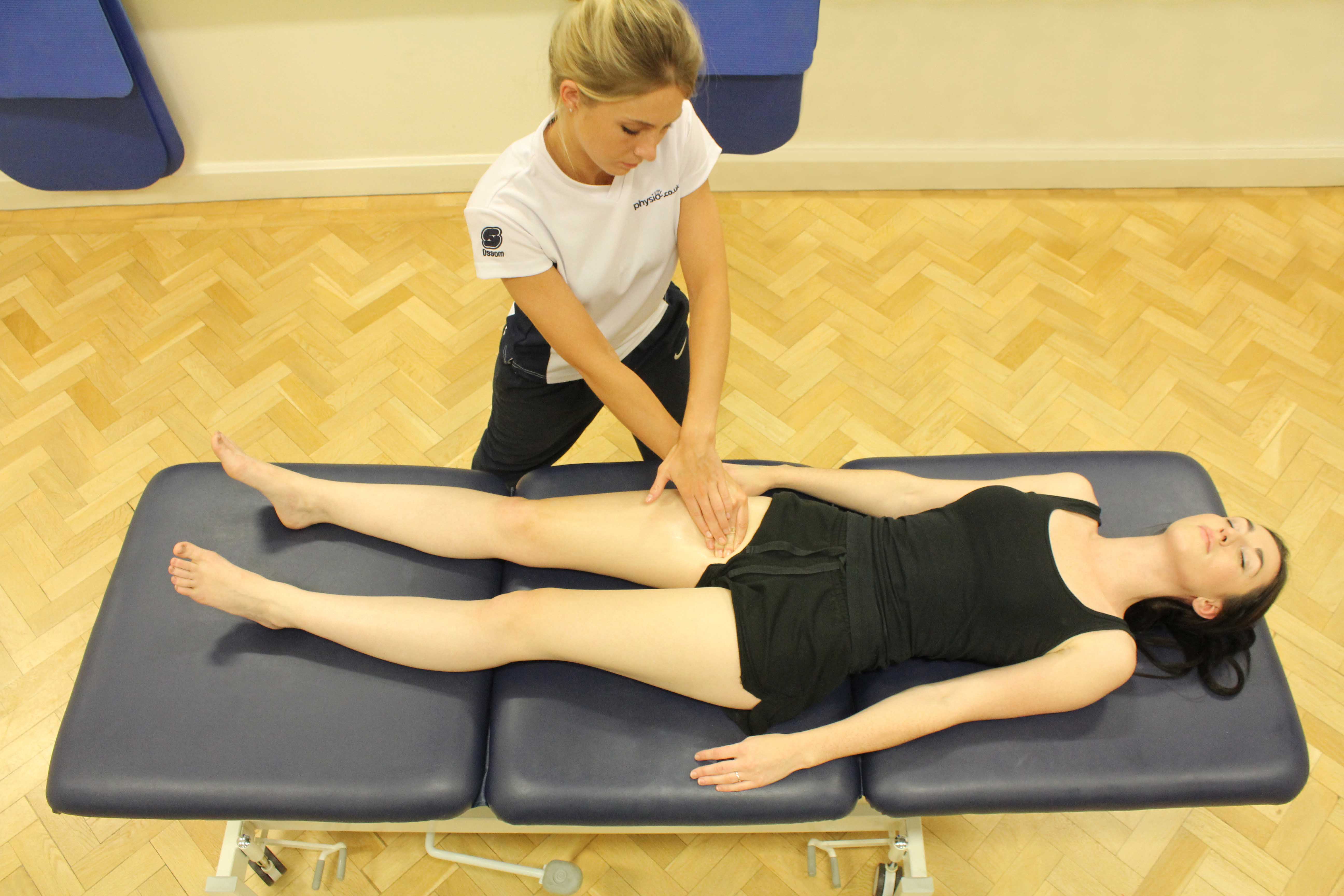
Use your hands to gently press and rub the muscle. Apply light to medium pressure with your fingers or palm. Move in small circles or along the muscle fibers. This technique helps reduce tension and pain. Stop if the pain increases during the massage.
Tools And Accessories
Tools like massage balls or handheld massagers target deep muscle layers. Massage balls help reach small, tight spots. Handheld massagers provide vibration to soothe muscles quickly. Use these tools carefully and avoid injured areas. They complement hand and foam roller massages well.
Other Effective Relief Tips
Besides massage, several other methods can help ease the pain of a pulled muscle. These simple steps support healing and reduce discomfort. Using them together can speed up recovery.
Rest And Ice
Rest is vital after a muscle pull. Avoid activities that cause pain or strain. Give your muscle time to heal.
Apply ice to the injured area for 15-20 minutes every few hours. Ice reduces swelling and numbs pain. Always wrap the ice in a cloth to protect your skin.
Stretching Exercises
Gentle stretching helps keep the muscle flexible. Start stretching only after the worst pain fades. Slow, easy stretches improve blood flow and prevent stiffness.
Hold each stretch for 20-30 seconds. Do not stretch to the point of pain. Consistency is key for better recovery.
Over-the-counter Remedies
Pain relievers like ibuprofen or acetaminophen can ease soreness. Follow the instructions on the label carefully.
Topical creams or gels may also reduce pain. Apply them as directed. These remedies help manage pain while your muscle heals.
When To See A Professional
Knowing when to see a professional for a pulled muscle is important. Massage can help, but some signs mean you need expert care. Early attention can prevent more problems. Watch for signs that pain or injury is more serious.
Persistent Pain
Pain that lasts more than a few days needs professional attention. A pulled muscle usually improves with rest and gentle massage. If pain stays strong or worsens, it may be more than a simple strain. A therapist or doctor can find the cause and suggest proper treatment.
Limited Mobility
Difficulty moving the injured muscle or joint is a warning sign. A pulled muscle should allow some gentle movement without sharp pain. If movement is very limited or causes pain, see a professional. They can check for tears, swelling, or other issues that need care.
Recurring Muscle Strains
Muscles that strain repeatedly need expert evaluation. Massage alone may not fix the root problem. A specialist can identify muscle imbalances, poor posture, or habits causing the injury. Treatment plans can include therapy, exercises, and massage for long-term relief.
Frequently Asked Questions
Can Massage Relieve Pain From A Pulled Muscle?
Yes, massage can reduce pain by increasing blood flow and relaxing muscle fibers. It helps speed up healing and eases muscle tightness effectively.
When Should I Get A Massage For A Pulled Muscle?
Wait 48-72 hours after injury before massaging. Early massage may worsen inflammation. After swelling reduces, gentle massage aids recovery.
What Type Of Massage Is Best For A Pulled Muscle?
A gentle Swedish or deep tissue massage is ideal. These techniques improve circulation and break down muscle knots safely.
Can Massage Prevent Muscle Stiffness After Injury?
Yes, massage helps prevent stiffness by improving flexibility and reducing scar tissue formation in injured muscles.
Conclusion
Massage can ease pain and help muscles heal faster. It improves blood flow and reduces tightness. Gentle massage may lower swelling and relax the injured area. Always wait until the worst pain lessens before massaging. Avoid deep pressure on a fresh pulled muscle.
Combine massage with rest, ice, and stretching for best results. Consult a doctor if pain worsens or lasts long. Massage supports recovery but is not a quick fix. Taking care and giving time helps muscles get strong again.
Related massage chair reviews:
 Which Osaki Massage Chair is Best? 50 Osakis Tested and Reviewed!
 50 Best 4D Massage Chairs Reviewed by Real Customers 2026
 50 Best Ergonomic Massage Chairs Perfect for Tall Individuals Reviewed 2026
 The 45 Best Utopia 3d Massage Chair Rated for 2026
 Best Massage Chairs Under $2000: Your Relaxation Reviews for 2026
 The Best 35 Affordable Full Body Massage Chairs Under $1000 Reviewed