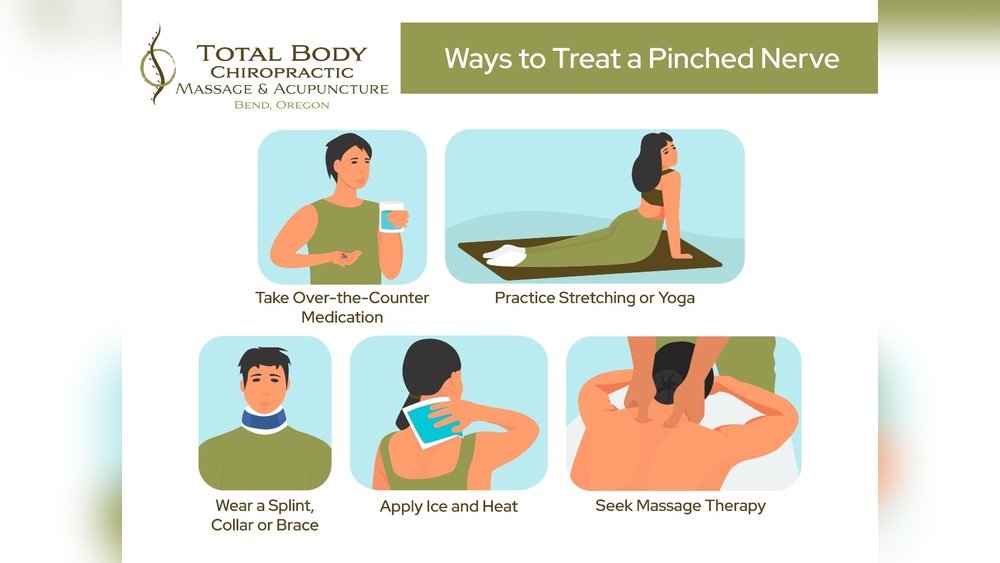
Are you struggling with sharp pain, tingling, or numbness that just won’t go away? If you’re dealing with a pinched nerve, you know how frustrating and limiting it can be.
You might be wondering if something as simple as a massage could actually help ease your discomfort. The good news is, massage therapy might be exactly what your body needs to find relief. Keep reading to discover how a massage can impact your pinched nerve, what to expect, and the best ways to get effective results.
Your path to feeling better could start here.
What Causes A Pinched Nerve
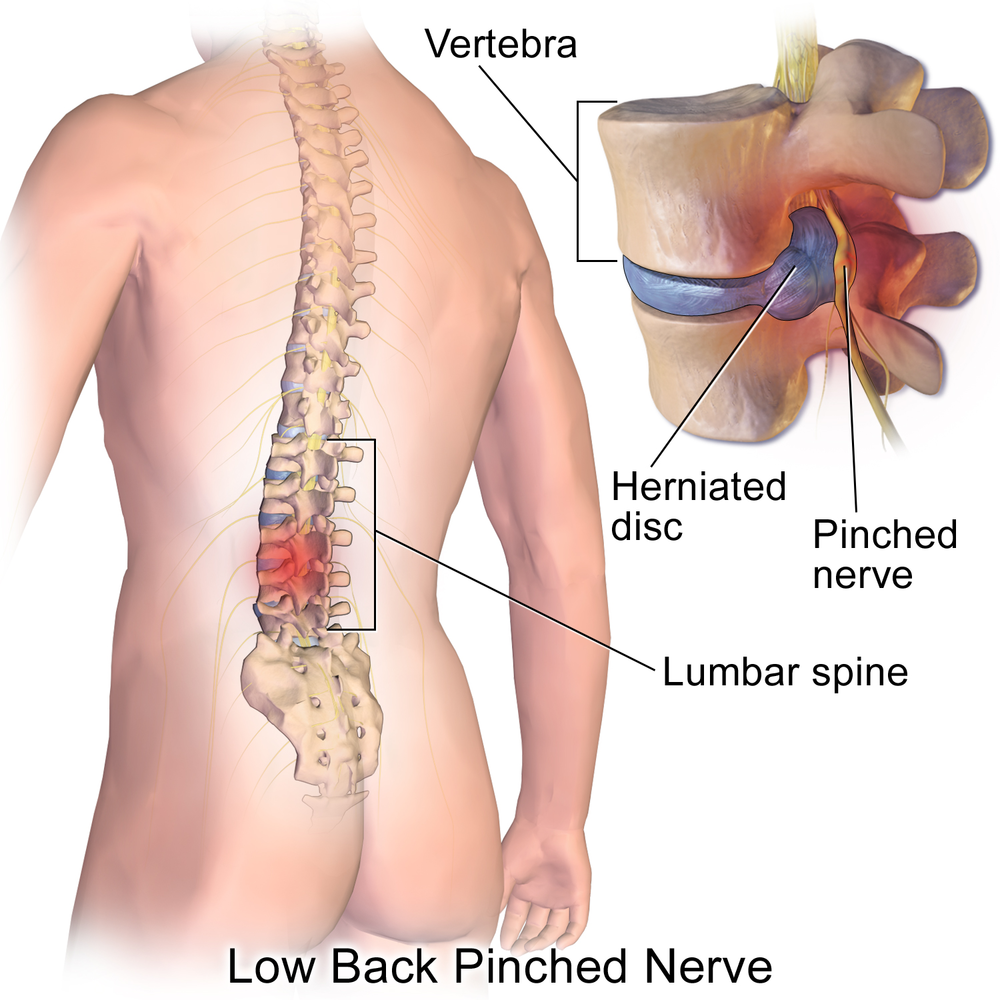
A pinched nerve happens when too much pressure presses on a nerve by surrounding tissues. These tissues can be bones, cartilage, muscles, or tendons. This pressure disrupts the nerve’s function and causes pain, numbness, or weakness.
Understanding what causes a pinched nerve helps to know how massage might help. Several factors can trigger this condition. Some are temporary, while others may need medical care.
Common Triggers
Repetitive movements or staying in one position for too long can cause nerve compression. Poor posture adds extra stress on nerves. Injuries like a fall or accident may lead to swelling or bone misalignment. Conditions such as arthritis or herniated discs often increase pressure on nerves. Excess weight also puts strain on the spine and nerves. Age-related wear and tear changes the structure around nerves.
Symptoms To Watch For
Pain is the most common sign of a pinched nerve. It might feel sharp, burning, or like electric shocks. Numbness or tingling often appears in the affected area. Muscle weakness can make it hard to move or hold objects. Sometimes, symptoms worsen with certain movements or positions. Early detection helps to prevent further nerve damage.
How Massage Affects Nerve Pain
Massage therapy can ease nerve pain by targeting the muscles and tissues around the nerve. It helps reduce pressure and improves blood flow. This allows the nerve to heal and feel less irritated. Understanding how massage works on nerve pain shows why it can be a helpful treatment.
Pressure And Blood Flow
Massage applies gentle pressure to the affected area. This pressure helps move blood through tight muscles and tissues. Better blood flow delivers oxygen and nutrients to the injured nerve. It also removes waste products that cause pain and swelling. Increased circulation helps the nerve recover faster and reduces discomfort.
Muscle Relaxation Benefits
Muscles often tighten around a pinched nerve. Tight muscles increase pressure on the nerve, causing more pain. Massage relaxes these muscles, releasing tension and stiffness. Relaxed muscles lower the pressure on the nerve, which eases pain. This also improves movement and reduces stiffness in the area.
Types Of Massage For Pinched Nerves
Massage can ease the pain from pinched nerves. Different types of massage work in different ways. Each method targets muscles and nerves uniquely. Choosing the right type helps reduce pressure and improve healing.
Here are some common massage types used for pinched nerves. They focus on relaxation, deep muscle work, or specific pain points.
Swedish Massage
Swedish massage uses long, gentle strokes. It helps relax muscles and increase blood flow. This type is good for mild nerve pain. It reduces tension and calms the nervous system. Many people feel less stiffness after a session.
Deep Tissue Massage
Deep tissue massage targets deeper muscle layers. It uses slow, firm pressure. This massage can release tight muscles pressing on nerves. It is best for chronic pain or injury. It may cause some discomfort but often helps nerve relief.
Trigger Point Therapy
Trigger point therapy focuses on tight muscle knots. These knots can irritate nearby nerves. The therapist applies direct pressure to these points. This helps break the tension and reduce nerve pain. It works well for localized pain areas.

When Massage May Not Be Suitable
Massage can ease pain from a pinched nerve, but it is not always safe. Some conditions make massage risky or harmful. Knowing when to avoid massage helps protect your health and avoid more pain.
Risks And Precautions
Massage may worsen nerve damage in some cases. Avoid massage if you have severe swelling or infection. Deep pressure can irritate inflamed nerves. People with blood clots or broken bones should skip massage. Pregnant women need special care before massage. Always tell your therapist about your health issues.
Consulting A Healthcare Professional
Seek advice from a doctor before starting massage. A professional can diagnose the nerve problem correctly. They can suggest safe treatments for your condition. Some nerve injuries need medical or physical therapy. Your doctor can refer you to a qualified massage therapist. This reduces risks and improves your recovery chances.
Self-care Tips Alongside Massage
Massage can relieve pain from a pinched nerve. To get better results, try self-care tips along with massage. These tips help reduce pressure on the nerve. They also improve healing and comfort.
Stretching Exercises
Gentle stretches can ease muscle tightness near the nerve. Stretch slowly and stop if you feel pain. Focus on areas around the neck, back, or legs. These exercises improve blood flow and reduce nerve pressure. Do stretches daily for best results.
Ergonomic Adjustments
Change your workspace to support your body properly. Use chairs that keep your spine straight. Place your computer screen at eye level. Avoid slouching or hunching over for long periods. Good posture lowers stress on nerves and muscles. Small changes make a big difference in healing.
Long-term Strategies To Prevent Recurrence
Preventing a pinched nerve from coming back requires daily care and good habits. Long-term strategies focus on changing how you move and hold your body. These changes reduce pressure on nerves and help keep pain away.
Posture Improvement
Good posture reduces stress on your spine and nerves. Sit and stand with your back straight and shoulders relaxed. Avoid slouching or leaning forward for long times. Use chairs that support your lower back. Small changes in posture can protect nerves and ease discomfort.
Regular Physical Activity
Exercise helps keep muscles strong and flexible. Strong muscles support your spine better. Activities like walking, swimming, or yoga improve blood flow and reduce nerve pressure. Aim for at least 30 minutes of movement most days. Regular activity prevents stiffness and lowers the chance of nerve problems.
Frequently Asked Questions
Can Massage Relieve Pain From A Pinched Nerve?
Yes, massage can help reduce pain by improving blood flow and relaxing muscles. It may ease nerve pressure but shouldn’t replace medical treatment.
How Does Massage Affect Pinched Nerve Symptoms?
Massage relieves muscle tension and reduces inflammation. This can decrease numbness and tingling caused by a pinched nerve, promoting faster healing.
Is Massage Safe For A Pinched Nerve?
Massage is generally safe if done gently by a professional. Avoid deep pressure on the affected area to prevent worsening symptoms.
How Often Should I Get A Massage For Pinched Nerve?
Weekly sessions are recommended initially. Frequency depends on symptom severity and response. Consult a therapist for a personalized plan.
Conclusion
Massage can ease pain from a pinched nerve by relaxing muscles. It helps improve blood flow and reduce tension around the nerve. Still, it may not work for everyone or all types of nerve pain. Always check with a doctor before starting massage therapy.
Combining massage with other treatments often gives better results. Taking care of your body is key to healing. Small steps, like gentle massage, can support your recovery journey.
Related massage chair reviews:
 Which Osaki Massage Chair is Best? 50 Osakis Tested and Reviewed!
 50 Best 4D Massage Chairs Reviewed by Real Customers 2026
 50 Best Ergonomic Massage Chairs Perfect for Tall Individuals Reviewed 2026
 The 45 Best Utopia 3d Massage Chair Rated for 2026
 Best Massage Chairs Under $2000: Your Relaxation Reviews for 2026
 The Best 35 Affordable Full Body Massage Chairs Under $1000 Reviewed