What Does a Deep Tissue Massage Do: Unlock Lasting Pain Relief Today
Affiliate links — we may earn a commission
Have you ever felt tight muscles that just won’t relax, no matter how much you stretch or rest? Maybe you’ve tried regular massages but still feel that deep tension lingering beneath your skin.
What if there was a way to reach those stubborn knots and truly ease your discomfort? That’s exactly what a deep tissue massage can do for you. You’ll discover how this powerful technique works, why it might be the answer to your muscle pain, and how it can help your body feel renewed.
Keep reading to find out what a deep tissue massage can do for your well-being.

Benefits Of Deep Tissue Massage
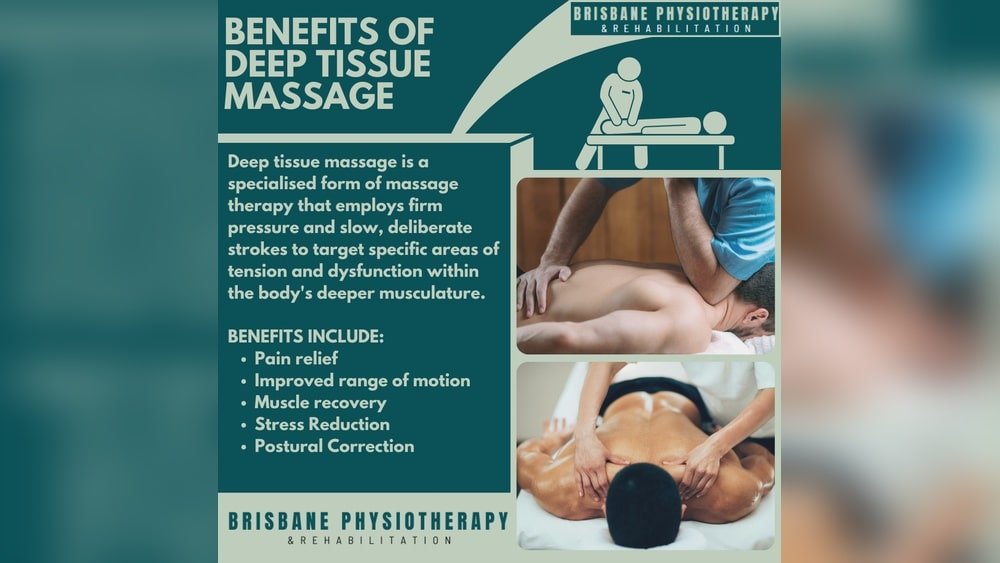
Deep tissue massage offers many health benefits beyond simple relaxation. It targets deeper layers of muscles and connective tissue. This helps relieve pain, improve movement, and reduce tension. Here are some key benefits of deep tissue massage.
Pain Relief And Muscle Recovery
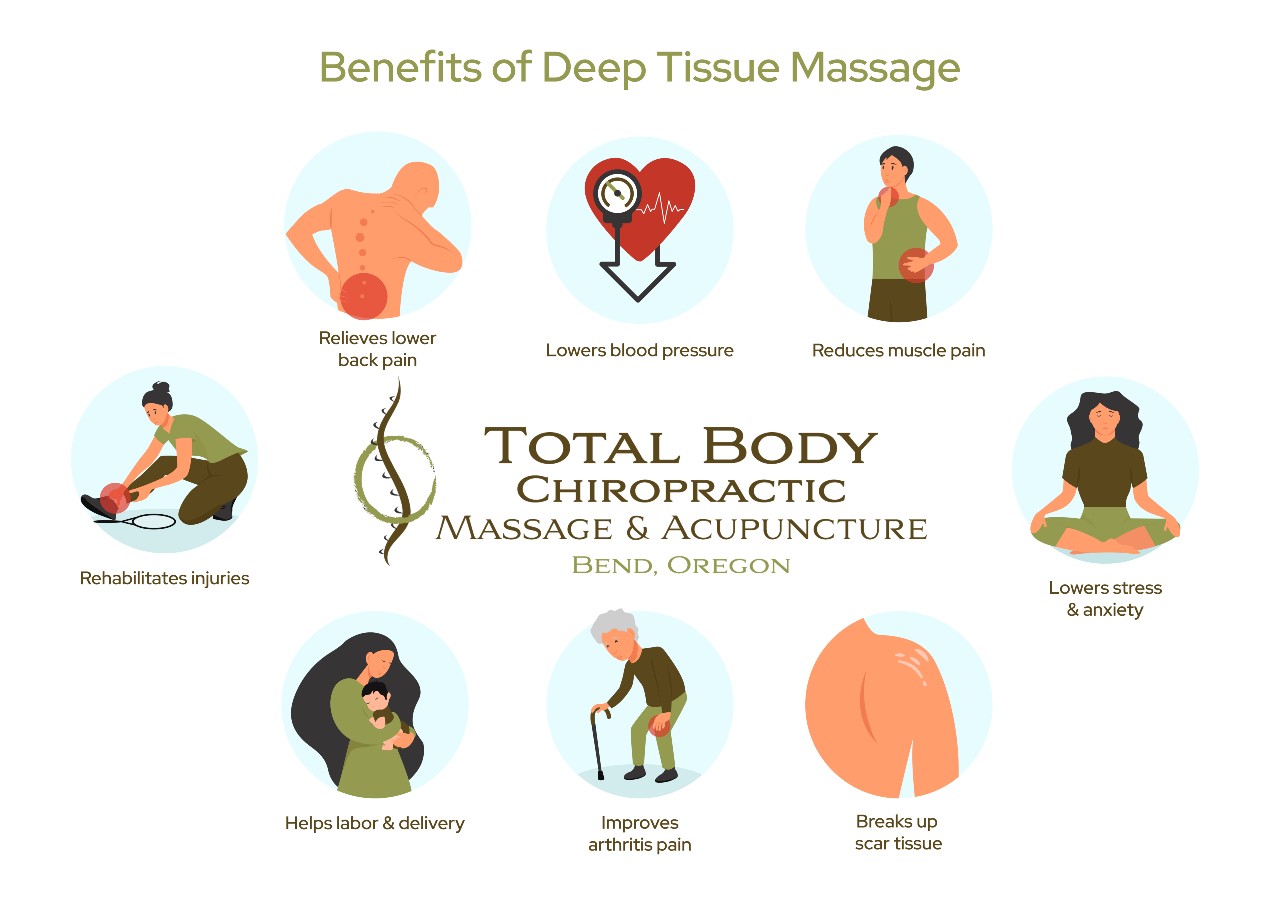
Deep tissue massage eases chronic pain by loosening tight muscles. It breaks down knots and scar tissue that cause discomfort. This massage also speeds up muscle recovery after injury or exercise. It helps reduce inflammation and soreness. Many people find lasting relief from back, neck, and shoulder pain.
Improved Blood Circulation
The massage pressure boosts blood flow in the treated areas. Better circulation delivers oxygen and nutrients to muscles and tissues. It helps remove waste products like lactic acid. This process supports healing and reduces muscle fatigue. Improved circulation also promotes healthier skin and tissue repair.
Reduced Stress And Anxiety
Deep tissue massage calms the nervous system. It lowers stress hormones and encourages relaxation. The focused pressure helps release tension held in muscles. Many people feel less anxious and more balanced after a session. It can improve mood and promote better sleep quality.
Enhanced Flexibility And Mobility
This massage loosens stiff muscles and connective tissues. It increases joint mobility and range of motion. Regular deep tissue massage helps prevent injuries by improving muscle elasticity. It supports better posture and body alignment. Athletes and active people benefit from improved flexibility and movement.
How Deep Tissue Massage Works
Deep tissue massage focuses on relieving tension in the deeper layers of muscles and connective tissue. It targets knots and stiff muscles that cause pain and discomfort. The massage therapist uses firm pressure and slow strokes to reach these tight areas.
This massage helps break down scar tissue and improves blood flow. It encourages healing by reducing inflammation and easing muscle stiffness. The process can feel intense but often brings lasting relief.
Targeting Deeper Muscle Layers
The massage reaches below the surface muscles to the deeper layers. These layers often hold chronic tension from stress or injury. The therapist works slowly to soften and release tightness in these areas. This deep focus helps improve muscle flexibility and reduces pain.
Techniques And Pressure Used
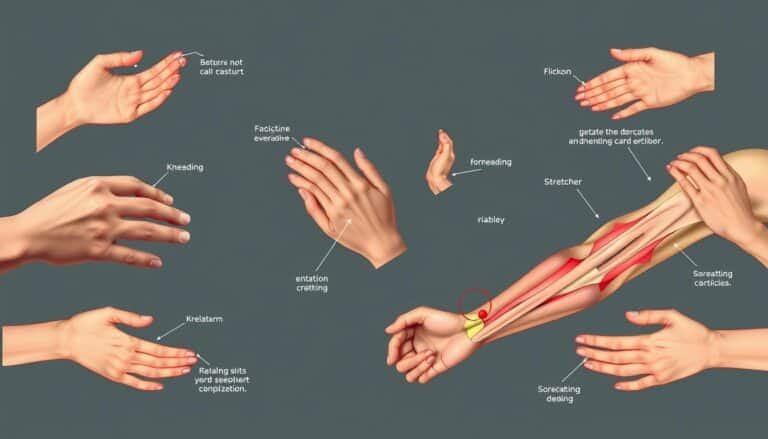
Therapists use fingers, thumbs, and elbows to apply steady pressure. The strokes are slow and firm, moving along the muscle fibers. This pressure breaks up knots and adhesions that limit movement. The massage may cause mild discomfort but should not be painful.
Areas Commonly Treated
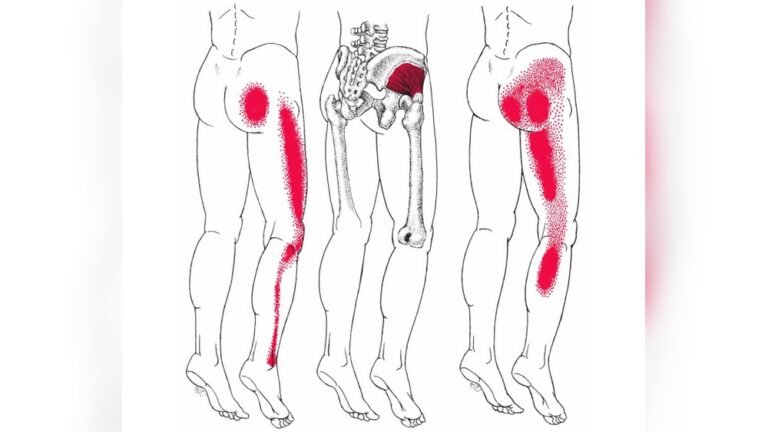
Deep tissue massage often focuses on the neck, shoulders, back, and legs. These areas tend to hold the most tension and stress. It can also treat chronic pain caused by injuries or poor posture. Many people find relief from headaches and joint pain through this massage.
Conditions Treated By Deep Tissue Massage
Deep tissue massage targets the deeper layers of muscles and connective tissues. It helps relieve tension and pain in specific areas of the body. This massage is effective for many health conditions. It can improve movement and reduce discomfort for those suffering from muscle or joint problems.
Chronic Pain Management
Deep tissue massage eases long-lasting pain by loosening tight muscles. It reduces inflammation and improves blood flow. Many people with back, neck, or shoulder pain find relief after sessions. The massage helps break down scar tissue that causes stiffness and discomfort.
Sports Injuries
Athletes often use deep tissue massage to heal muscle strains and tears. It speeds up recovery by increasing circulation and relaxing sore areas. The massage also improves flexibility and prevents future injuries. It supports the healing process after intense physical activities.
Postural Problems
Bad posture can cause muscle imbalances and pain. Deep tissue massage releases tight muscles that pull the body out of alignment. It helps restore balance and eases tension in the back, neck, and shoulders. This massage supports better posture and reduces related discomfort.
Arthritis And Fibromyalgia
People with arthritis or fibromyalgia often feel stiffness and pain. Deep tissue massage reduces muscle tightness and improves joint movement. It can decrease pain intensity and increase comfort. The gentle pressure used suits those with sensitive muscles and chronic conditions.

What To Expect During A Session
Understanding what to expect during a deep tissue massage session helps ease any nerves. The process focuses on relieving tension deep within muscles and tissues. Each session is tailored to your needs, ensuring comfort and effectiveness.
Pre-massage Preparation
Arrive a few minutes early to relax and fill out any forms. Wear loose clothing or be ready to undress to your comfort level. Communicate any pain areas or health issues with your therapist. Drinking water before the session helps your muscles stay hydrated.
Typical Session Procedure
The therapist uses slow, firm strokes to reach deep muscle layers. You may feel some pressure or mild discomfort, but it should not hurt. The therapist focuses on knots and tight areas to release tension. Sessions usually last between 30 to 90 minutes depending on your needs.
Aftercare Tips
Drink plenty of water to flush out toxins released during massage. Rest and avoid heavy exercise for the rest of the day. Use heat or cold packs on sore spots if needed. Expect some muscle soreness, which usually fades within a day or two.
Who Should Avoid Deep Tissue Massage
Deep tissue massage offers many benefits. Yet, it is not safe for everyone. Certain health issues can make this massage risky. Knowing who should avoid it protects your health. Read on to learn more about medical conditions and risks. Also, find out when to consult a doctor before booking a session.
Medical Conditions And Risks
People with some medical conditions should skip deep tissue massage. Those with blood clots or bleeding problems face serious risks. The pressure can cause clots to move or bleeding to worsen. Skin infections or open wounds also make massage unsafe. The massage may spread infection or hurt damaged skin. People with recent surgery should avoid deep tissue massage. Healing tissues can get damaged by strong pressure. Bone fractures or osteoporosis increase the chance of injury. The massage may cause pain or worsen fractures.
When To Consult A Doctor
Consult a doctor before deep tissue massage if you have health concerns. Pregnant women should seek advice to avoid harm to baby and mother. People with heart problems must check with their doctor first. Certain heart conditions make strong massage unsafe. If you have cancer, ask your doctor before trying deep tissue massage. Some tumors may get irritated or worsened by pressure. Always talk to a healthcare provider when unsure about your health. Better safe than sorry.
Choosing The Right Therapist
Choosing the right therapist for a deep tissue massage is very important. The therapist’s skills affect how well the massage works. You want someone who knows how to apply the right pressure and techniques. A good therapist helps reduce pain and muscle tension safely. This section explains what to check before booking a session.
Qualifications And Experience
A therapist should have proper training in deep tissue massage. Look for certifications from recognized schools or organizations. Experience matters. Therapists with several years of practice understand muscle layers better. They can adjust pressure to your comfort level. Ask if they have worked with issues like yours. This ensures a safer and more effective massage.
Questions To Ask Before Booking
Ask if the therapist customizes sessions for your needs. Find out how they handle pain or discomfort during massage. Check if they know about any health conditions you have. It is important to share your medical history for safety. Ask about session length and cost. Clear communication helps avoid surprises. You feel more comfortable and confident before the massage starts.
Combining Deep Tissue Massage With Other Therapies
Combining deep tissue massage with other therapies can improve overall health and healing. It helps the body recover faster and reduces pain. Using massage alongside other treatments creates a balanced approach to wellness.
Physical Therapy Integration
Deep tissue massage works well with physical therapy. It loosens tight muscles and reduces stiffness. This makes physical therapy exercises easier and less painful. Therapists often recommend both to help injuries heal quicker. The massage prepares muscles, and therapy strengthens them.
Benefits Of Regular Massage
Getting regular deep tissue massages keeps muscles flexible and relaxed. It lowers stress and improves blood flow. This helps the body stay healthy and repair itself. Regular massage also reduces muscle tension that can cause pain. It supports a better range of motion and overall comfort.
Frequently Asked Questions
What Is The Main Purpose Of A Deep Tissue Massage?
A deep tissue massage targets deeper muscle layers to relieve chronic pain and tension. It improves flexibility and promotes healing in tight muscles and connective tissues.
How Does Deep Tissue Massage Differ From Regular Massage?
Deep tissue massage uses firm pressure and slow strokes. It focuses on deep muscle layers, unlike regular massages that target surface muscles for relaxation.
Can Deep Tissue Massage Help With Muscle Injury Recovery?
Yes, it increases blood flow and breaks down scar tissue. This speeds up recovery and reduces muscle stiffness after injuries.
Is Deep Tissue Massage Suitable For Everyone?
Not always. People with certain conditions like blood clots or skin infections should avoid it. Always consult a healthcare professional before trying.
Conclusion
Deep tissue massage helps ease muscle pain and tension effectively. It targets deep layers of muscle and connective tissue. This massage improves blood flow and reduces stiffness. Many people feel less stress and better movement afterward. Regular sessions can support healing and relaxation.
It’s a natural way to relieve chronic pain and soreness. Consider trying it to feel stronger and more comfortable. Your body deserves this kind of care and attention. Simple, gentle pressure can make a big difference.

Nora Whitfield
Contributing writer covering The world's #1 massage chair review and ratings site for all of your luxury massage chair needs..