Does Massage Help Fibromyalgia: Proven Relief and Soothing Benefits
Affiliate links — we may earn a commission
Are you struggling with constant pain and fatigue from fibromyalgia? You might be wondering if massage could offer some relief.
Imagine easing your aches and calming your mind with simple, soothing touch. But does massage really help fibromyalgia, or is it just a temporary comfort? You’ll discover what the latest research says and how massage might fit into your path to feeling better.
Keep reading to find out if this could be the relief you’ve been searching for.
Fibromyalgia And Its Challenges
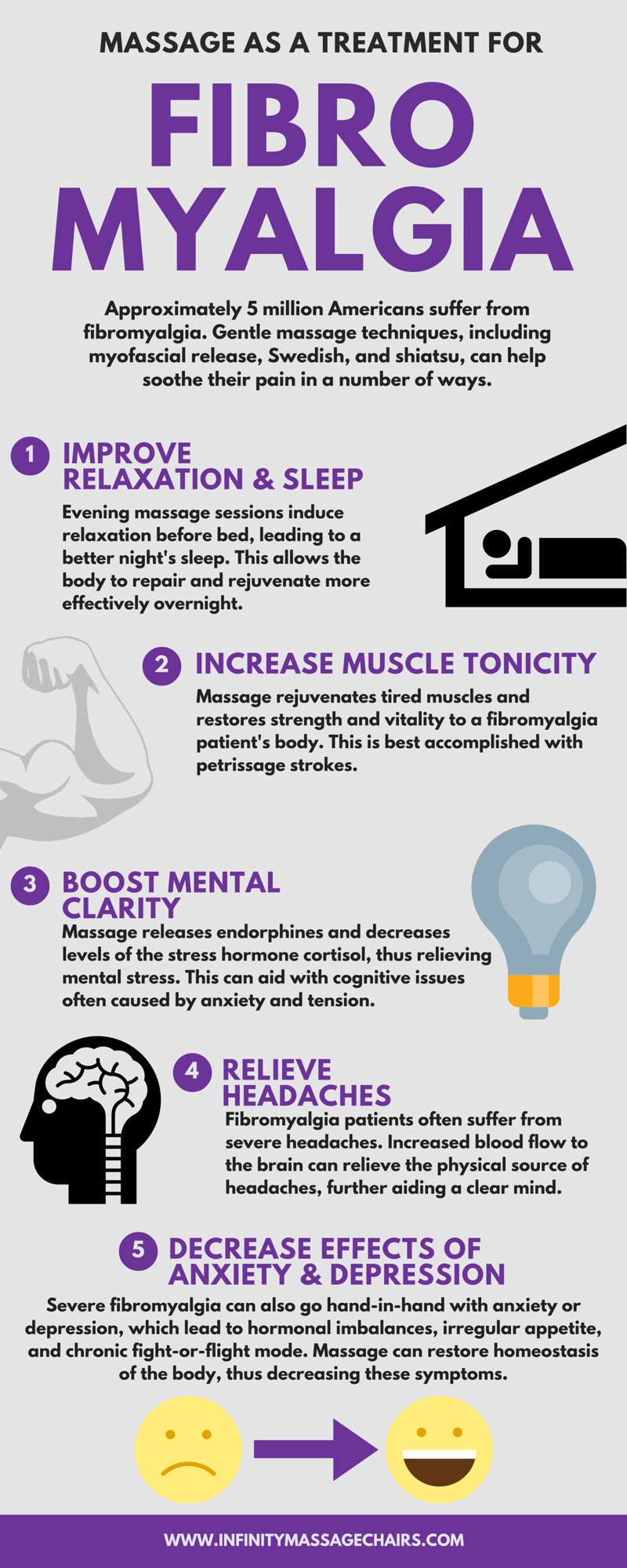
Fibromyalgia is a long-term condition that causes pain all over the body. It can make daily life hard. Many people with fibromyalgia feel tired and have trouble sleeping. Their mood can also change because of the pain and tiredness. This condition affects each person differently. Understanding the challenges helps in finding the right care.
The cause of fibromyalgia is still unknown. Some experts think it involves how the brain processes pain signals. Stress and other illnesses might trigger or worsen symptoms. Living with fibromyalgia means managing many difficult symptoms every day.
Symptoms And Impact
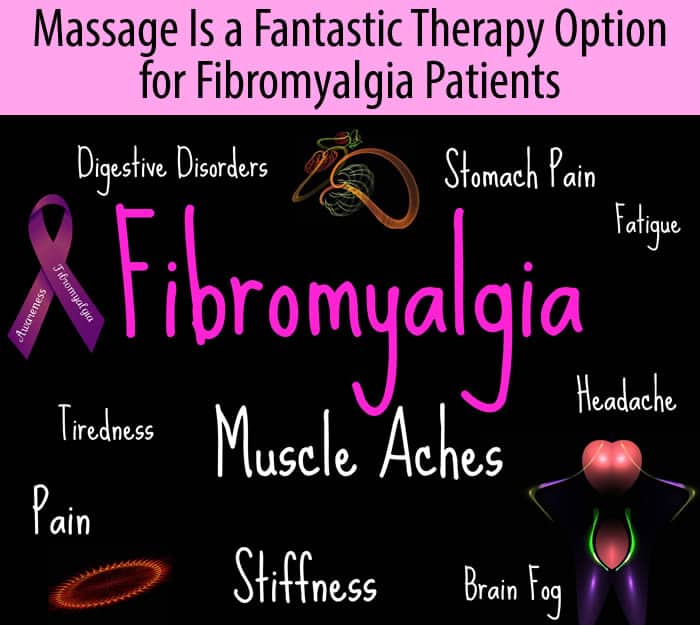
Common symptoms include widespread pain and stiffness. Fatigue is often severe and can last all day. Many people also have headaches and trouble concentrating. These symptoms reduce the ability to work and enjoy activities. Mood problems like anxiety and depression are common too. Fibromyalgia can affect sleep quality, causing more tiredness.
Common Treatment Options
Treatment focuses on easing pain and improving quality of life. Doctors may suggest medicines for pain and sleep problems. Exercise and physical therapy help reduce stiffness and increase strength. Stress management techniques can improve mood and sleep. Some people try alternative therapies such as massage or acupuncture. A combination of treatments often works best for managing symptoms.
How Massage Targets Fibromyalgia Pain
Fibromyalgia causes widespread pain and stiffness in muscles and soft tissues. Massage therapy can help ease this pain by working directly on the affected areas. It targets both the muscles and the nervous system to provide relief. Understanding how massage affects these parts can show why it helps with fibromyalgia pain.
Effects On Muscle Tension
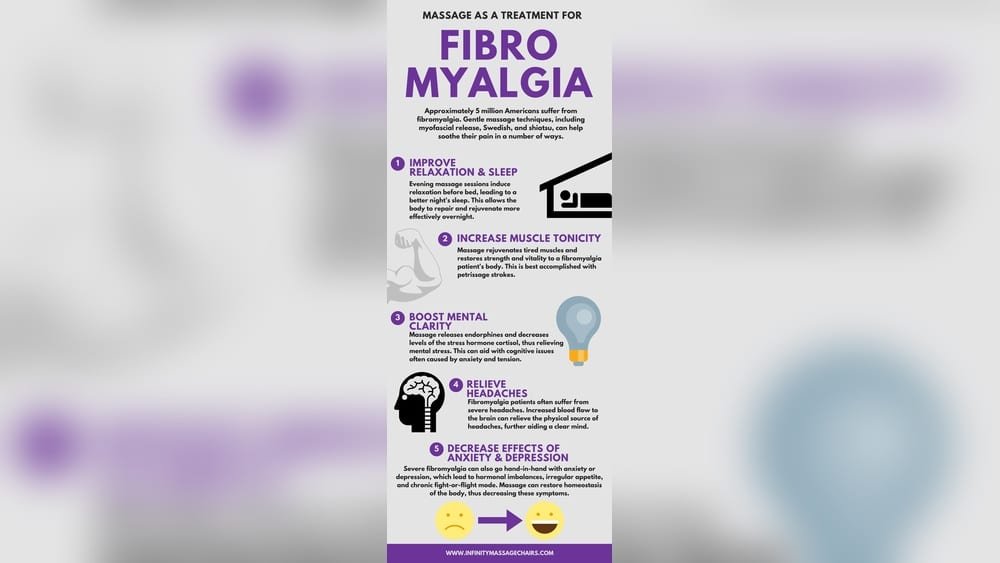
Massage reduces muscle tightness and stiffness common in fibromyalgia. It helps muscles relax by increasing blood flow and oxygen. This can decrease pain and improve movement. Gentle pressure breaks down knots and eases soreness. Over time, regular massage may lower overall muscle tension.
Influence On Nervous System
Massage affects the nervous system by calming overactive nerve signals. It can lower stress hormones and increase feel-good chemicals like serotonin. This balance helps reduce pain sensitivity and improve mood. Massage also slows down pain signals sent to the brain. The soothing touch helps calm nerves linked to fibromyalgia pain.
Scientific Evidence Supporting Massage
Scientific evidence shows massage can help ease fibromyalgia symptoms. Researchers have studied how massage affects pain, sleep, and mood in fibromyalgia patients. Many studies report positive results. These findings support massage as a helpful therapy.
Clinical Studies And Findings
Several clinical studies found massage reduces pain in fibromyalgia patients. One study showed regular massage improved sleep quality and lowered anxiety. Another trial reported less muscle stiffness and fatigue after massage sessions. Researchers believe massage helps by increasing blood flow and relaxing muscles. It also may reduce stress hormones in the body. These effects can improve overall comfort and function.
Patient Testimonials
Many fibromyalgia patients share their positive massage experiences. They say massage helps reduce their daily pain. Some report feeling more relaxed and sleeping better. Patients often mention less stiffness and better movement. These testimonials support what clinical studies show. Real people find massage a valuable part of their care.
Types Of Massage For Fibromyalgia
Massage therapy offers different techniques that may help ease fibromyalgia symptoms. Each type targets pain and stiffness in unique ways. Understanding these types can help choose the best fit for comfort and relief.
Swedish Massage
Swedish massage uses long, gentle strokes to relax muscles. It increases blood flow and reduces stress. This type is gentle and good for people new to massage. It helps lower pain and improve sleep quality.
Myofascial Release
Myofascial release focuses on tight areas in the connective tissue. The therapist applies light pressure and stretches the fascia. This eases muscle stiffness and improves movement. It targets deep pain that often comes with fibromyalgia.
Trigger Point Therapy
Trigger point therapy works on specific painful spots in muscles. The therapist presses these points to release tension. It helps reduce muscle knots and sharp pain. This type can improve muscle function and comfort over time.
Choosing The Right Massage Therapist
Choosing the right massage therapist matters a lot for fibromyalgia relief. The right therapist can make the sessions helpful and comfortable. It is important to find someone who understands fibromyalgia well. This helps in managing pain and stress better.
Qualifications And Experience
Check if the therapist has proper training in massage therapy. Look for certifications from recognized schools or organizations. Experience with fibromyalgia patients is very important. Therapists who know fibromyalgia understand how to adjust pressure and techniques. This knowledge helps reduce pain instead of causing more.
Communication And Comfort
Good communication is key to a successful massage. The therapist should listen to your needs and pain points. They must ask about your comfort during the session. Feeling safe and relaxed helps your body heal better. Choose a therapist who respects your limits and adjusts accordingly.

Tips For Maximizing Massage Benefits
Massage can ease fibromyalgia symptoms and improve comfort. To get the best results, some tips help enhance the benefits. Simple changes in how often and how long you get massages can make a big difference. Pairing massage with other treatments can also boost relief. These ideas support a more balanced and effective approach to managing fibromyalgia pain.
Frequency And Duration
Regular massage sessions help maintain symptom relief. Short, frequent massages often work better than long, rare ones. Two to three sessions each week can reduce pain and stiffness. Sessions lasting 30 to 60 minutes allow enough time to relax muscles. Consistency is key. Sticking to a schedule helps your body adjust and heal.
Combining Massage With Other Therapies
Massage works best alongside other treatments. Gentle stretching and light exercise support muscle health. Heat therapy before massage can loosen tight areas. Relaxation techniques, such as deep breathing, reduce stress and pain. Talk to your doctor about safe options to try together. This team approach often improves overall well-being.
Potential Risks And Precautions
Massage therapy can help ease fibromyalgia symptoms, but it is not always safe for everyone. Knowing the risks and taking precautions is important. Some people might feel worse after a massage. Understanding when to avoid massage and spotting bad reactions can keep you safe.
When To Avoid Massage
Avoid massage if you have skin infections or open wounds. Do not get a massage during a fever or flu. Avoid deep pressure massage if your pain is very high. Pregnant women should consult a doctor before a massage. People with blood clots or heart problems must be careful. Always tell your therapist about your health issues.
Signs Of Adverse Reactions
Watch for increased pain or stiffness after massage. Swelling or redness on the skin can be a bad sign. Feeling dizzy or faint needs immediate attention. Some may feel nausea or headaches post-massage. If symptoms last more than a day, see a doctor. Stop massage sessions if any of these signs appear.
Frequently Asked Questions
Does Massage Therapy Reduce Fibromyalgia Pain?
Massage therapy can help reduce fibromyalgia pain by relaxing muscles and improving blood flow. It eases stiffness and lowers stress, which often worsens symptoms. Regular sessions may provide lasting relief and improve overall well-being for fibromyalgia patients.
How Often Should Fibromyalgia Patients Get Massages?
Fibromyalgia patients typically benefit from massages once or twice a week. Consistency helps manage pain, reduce muscle tension, and improve sleep quality. However, frequency depends on individual tolerance and symptom severity, so consulting a healthcare provider is essential.
What Type Of Massage Is Best For Fibromyalgia?
Gentle techniques like Swedish massage or myofascial release are best for fibromyalgia. These methods focus on soft tissue relaxation without causing pain or discomfort. Avoid deep tissue massage, as it may worsen symptoms in sensitive patients.
Can Massage Improve Fibromyalgia-related Sleep Problems?
Yes, massage can improve sleep by reducing pain and lowering anxiety. Relaxation from massage promotes better sleep quality and duration. Improved sleep helps fibromyalgia patients manage their symptoms more effectively.
Conclusion
Massage can offer relief for many with fibromyalgia. It helps reduce muscle tension and eases pain. People often feel more relaxed after a session. While it may not cure the condition, it supports overall well-being. Combining massage with other treatments works best.
Everyone’s experience is different, so listen to your body. Trying massage might improve your daily comfort and mood. Small steps can make a big difference in managing fibromyalgia.

Nora Whitfield
Contributing writer covering The world's #1 massage chair review and ratings site for all of your luxury massage chair needs..