What is a Full Body Massage: Ultimate Guide to Relaxation Benefits
Affiliate links — we may earn a commission
Have you ever wondered what a full body massage really feels like? Imagine a treatment that not only relaxes your muscles but also refreshes your mind and boosts your overall well-being.
A full body massage could be exactly what you need to melt away stress and regain your energy. You’ll discover what happens during a full body massage, the benefits it offers, and why it might be the perfect choice for your next self-care moment.
Keep reading to find out how this simple experience can make a big difference in your life.

Types Of Full Body Massage
Full body massages come in different types, each offering unique benefits. Choosing the right type depends on your needs and preferences. Below are some common types of full body massage you may find helpful.
Swedish Massage
Swedish massage uses long, gentle strokes to relax muscles. It improves blood flow and reduces tension. This type is great for beginners and those seeking relaxation.
Deep Tissue Massage
Deep tissue massage targets deeper muscle layers and connective tissue. It helps relieve chronic pain and tightness. This massage uses slow, firm pressure for lasting relief.
Hot Stone Massage
Hot stone massage uses smooth, heated stones on the body. The heat warms muscles and eases stiffness. It combines heat and massage for a soothing experience.
Aromatherapy Massage
Aromatherapy massage includes essential oils to enhance relaxation. Different oils offer calming or energizing effects. This massage appeals to both the body and mind.

Techniques Used In Full Body Massage
Full body massage uses various techniques to relax muscles and improve blood flow. Each technique targets different muscle groups and serves a unique purpose. These methods work together to reduce tension and promote overall well-being.
Effleurage And Petrissage
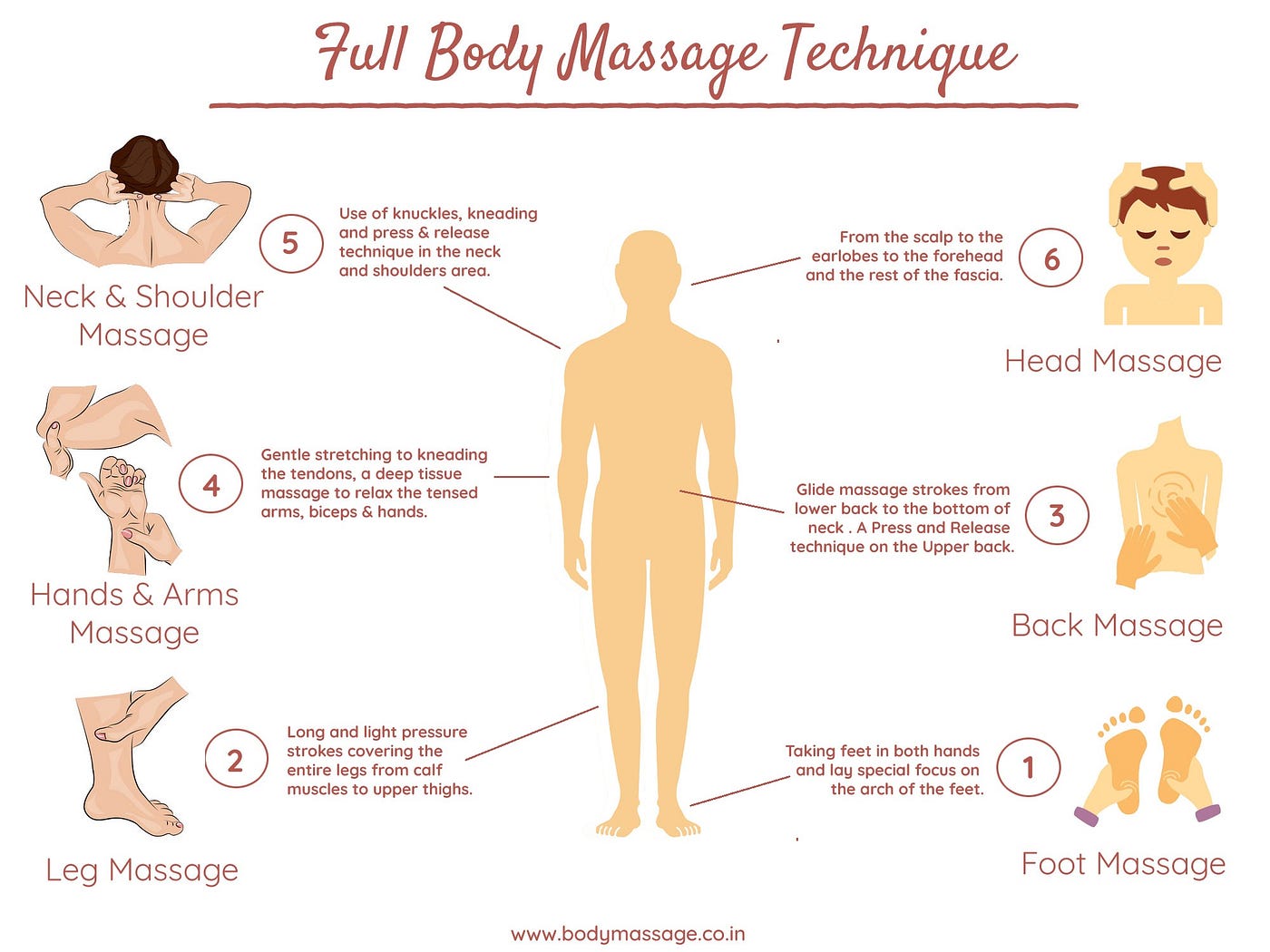
Effleurage involves long, smooth strokes that warm up the muscles. It helps increase blood circulation and prepares the body for deeper work. Petrissage follows with kneading and squeezing movements. This technique loosens tight muscles and breaks down knots gently.
Tapotement And Friction
Tapotement uses rhythmic tapping or chopping motions on the skin. It stimulates the nerves and energizes the body. Friction applies deep, circular pressure on specific areas. This helps release muscle tightness and improve flexibility.
Stretching Movements
Stretching moves the body’s joints and muscles through their full range. It increases flexibility and reduces stiffness. These stretches help the body relax and prepare for daily activities with ease.
Physical Benefits Of Full Body Massage
Full body massage offers many physical benefits. It helps the body heal and feel better. The therapy works on muscles, blood flow, and joints. This can make the body stronger and more relaxed.
Here are some key physical benefits of a full body massage.
Muscle Relaxation And Pain Relief
Massage eases tight muscles and reduces pain. It helps break up knots and tension in the body. This relief can reduce soreness after work or exercise. It also lowers stiffness in muscles, making movement easier.
Regular massage can help manage chronic pain. It promotes faster recovery from injuries. The gentle pressure calms muscle spasms and discomfort.
Improved Circulation
Massage boosts blood flow throughout the body. Better circulation delivers oxygen and nutrients to tissues. It helps remove waste and toxins from muscles. This supports faster healing and cell repair.
Good blood flow also helps lower blood pressure. It can improve heart health over time. Massage encourages the body to relax and restore balance.
Enhanced Flexibility
Massage loosens stiff joints and muscles. It increases the range of motion in the body. This helps reduce the risk of injuries during daily activities. Flexible muscles improve posture and ease movement.
With regular massage, the body feels more agile. It supports better balance and coordination. This benefit is useful for all ages and fitness levels.
Mental And Emotional Benefits
A full body massage offers more than physical relief. It also supports mental and emotional health. Many people feel calmer and happier after a session. The massage helps the brain relax and release tension. This section explores key mental and emotional benefits of full body massage.
Stress Reduction
Massage lowers the body’s stress hormones. It calms the nervous system quickly. You feel less anxious and more peaceful. The gentle touch signals your brain to relax. Stress melts away with each massage stroke.
Improved Sleep Quality
Better sleep follows a full body massage. The body relaxes deeply, making it easier to fall asleep. Sleep cycles become longer and more restful. This helps you wake up feeling fresh and alert. Massage supports natural sleep rhythms.
Mood Enhancement
Massages boost mood by increasing feel-good chemicals. Endorphins and serotonin rise, lifting spirits instantly. This creates a sense of happiness and calm. Regular massages can reduce symptoms of depression. They improve emotional balance and resilience.
Preparing For A Full Body Massage
Preparing for a full body massage helps you get the best experience. It allows your body and mind to relax fully. Understanding what to expect and how to care for yourself improves the benefits of the massage. Below are key points to consider before your session.
Choosing The Right Therapist
Select a therapist with proper training and good reviews. Check their specialties and experience level. A skilled therapist knows how to tailor the massage to your needs. Feeling comfortable with the therapist is important. Clear communication about your preferences and any health issues helps.
What To Expect During The Session
The session usually lasts 60 to 90 minutes. You will lie on a massage table, often covered with a sheet or towel. The therapist uses different strokes and pressure to relax muscles. You might feel some discomfort if muscles are tight. Speak up if the pressure is too hard or soft. The room is quiet and warm to help you relax.
Post-massage Care
Drink plenty of water to flush out toxins. Avoid heavy exercise or stressful activities right after. Resting helps your body heal and relax further. A warm bath can soothe muscles if needed. Pay attention to how your body feels in the next hours and days.
Who Should Avoid Full Body Massage
Full body massage offers many health benefits. It relaxes muscles and improves circulation. Yet, not everyone should get this type of massage. Some people may face risks or discomfort. Knowing who should avoid full body massage protects health and well-being.
Medical Conditions
People with certain medical issues should avoid full body massage. Those with heart problems or high blood pressure must be careful. Blood clots or deep vein thrombosis also raise concerns. Infections or fever can worsen with massage. Always check with a doctor before booking a session.
Pregnancy Considerations
Pregnant women need special care. Early pregnancy and high-risk cases often require avoiding massage. Some massage techniques may cause discomfort or harm. Only trained therapists should work with pregnant women. They know how to keep both mother and baby safe.
Skin Issues
Skin problems can make full body massage unsafe. People with rashes, wounds, or infections should not get a massage. Massaging irritated skin may cause pain or spread infection. Sensitive skin or allergies need careful handling. Inform your therapist about any skin conditions.
Tips To Maximize Massage Benefits
Getting the most out of a full body massage takes more than just the session itself. Simple actions before and after can boost your results. These tips help your body heal and relax deeply.
Hydration
Drink plenty of water after your massage. This helps flush out toxins released during the session. Staying hydrated reduces soreness and aids muscle recovery. Avoid alcohol or caffeine right after the massage to keep hydration balanced.
Regular Sessions
Schedule massages regularly to maintain benefits. Consistent treatments improve blood flow and reduce muscle tension over time. Even short, frequent sessions work better than rare, long ones. Your body adapts, and results last longer with routine care.
Combining With Other Therapies
Pair massages with activities like stretching or yoga. These support flexibility and muscle strength. Heat therapy or warm baths also relax muscles before or after a massage. Combining methods helps your body heal faster and stay flexible.
Frequently Asked Questions
What Is A Full Body Massage?
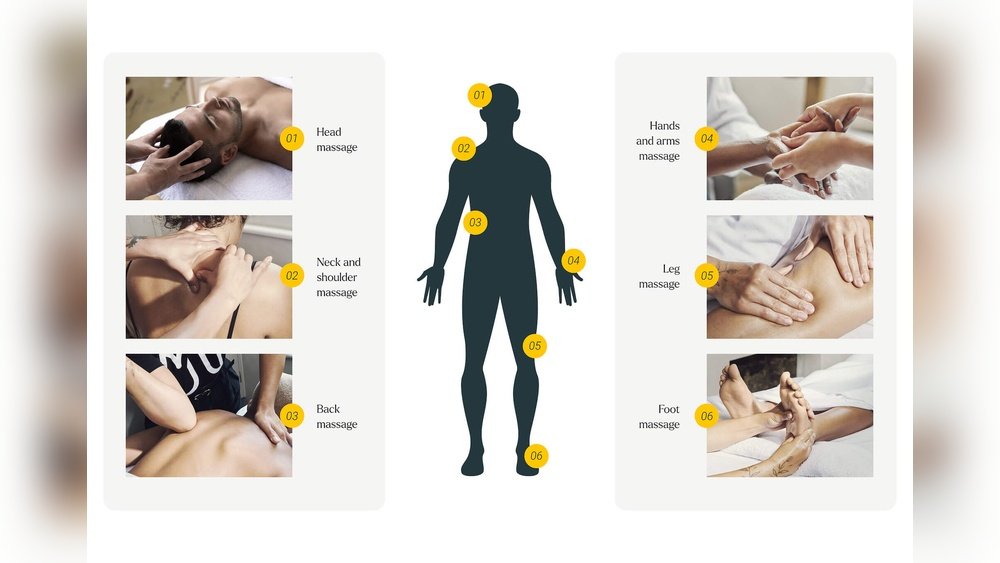
A full body massage is a therapeutic treatment targeting all major muscle groups. It promotes relaxation, reduces tension, and improves circulation. This massage typically covers the back, legs, arms, neck, and shoulders, providing comprehensive physical and mental relief.
How Long Does A Full Body Massage Last?
A full body massage usually lasts between 60 to 90 minutes. The duration depends on the type of massage and client preferences. Longer sessions allow more thorough muscle work and deeper relaxation for better results.
What Are The Benefits Of A Full Body Massage?
Full body massages relieve muscle tension, reduce stress, and improve blood flow. They enhance flexibility, promote better sleep, and boost overall well-being. Regular massages can also reduce anxiety and support faster muscle recovery.
Is A Full Body Massage Suitable For Everyone?
Most people can safely enjoy a full body massage. However, those with certain medical conditions should consult a doctor first. Pregnant women, people with skin infections, or recent injuries should inform their therapist before treatment.
Conclusion
A full body massage helps relax your muscles and ease tension. It improves blood flow and can reduce stress. Many people feel more calm and refreshed after a session. Regular massages support better sleep and overall well-being. This simple therapy offers many health benefits for both body and mind.
Trying a full body massage might be a great way to care for yourself. Feel the difference it can make in your daily life. A small step toward feeling healthier and happier.

Nora Whitfield
Contributing writer covering The world's #1 massage chair review and ratings site for all of your luxury massage chair needs..