Do Massages Help Muscle Strains? Expert Insights Revealed
Affiliate links — we may earn a commission
Have you ever felt that stubborn ache after a tough workout or a long day on your feet? Muscle strains can be frustrating and slow down your daily routine.
You might be wondering if massages can really help ease that pain and speed up your recovery. The good news is, massages could be exactly what your body needs to heal faster and feel better. Keep reading to discover how massages work on muscle strains and whether they’re the right choice for you.

How Muscle Strains Occur
Muscle strains happen when muscle fibers stretch too far or tear. This damage can cause pain and limit movement. Strains often occur during physical activities or sudden movements. Understanding how these injuries develop helps in managing and preventing them.
Common Causes
Muscle strains often start from overuse or improper use of muscles. Lifting heavy objects without proper form can cause strains. Sudden twisting or jerking movements also increase risk. Sports and exercise without warming up are common triggers. Weak muscles and poor flexibility add to the problem.
Symptoms And Severity Levels
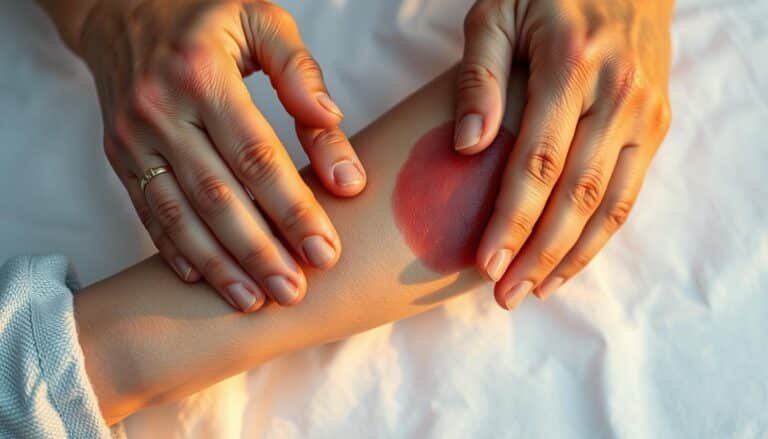
Symptoms vary from mild discomfort to sharp pain. Swelling and bruising may appear near the injured muscle. Mild strains cause slight pain but allow movement. Moderate strains bring more pain and some muscle weakness. Severe strains involve torn muscle fibers and significant pain. These may cause loss of muscle function.
Massage Therapy Basics
Massage therapy helps muscles heal by improving blood flow and reducing tension. It relaxes tight areas and eases pain. Many people use massage to recover from muscle strains. Understanding basic massage types and techniques is important. It helps you choose the best option for muscle care.
Massage targets soft tissues like muscles, tendons, and ligaments. It can reduce swelling and speed up healing. The right massage can also prevent future injuries. Let’s explore common massage types and how they aid muscle recovery.
Types Of Massage For Muscle Care
Swedish massage uses long, gentle strokes to relax muscles. It improves circulation and reduces stiffness. Deep tissue massage targets deeper muscle layers. It breaks up tight knots and scar tissue. Sports massage focuses on areas strained by exercise. It enhances flexibility and reduces muscle soreness. Trigger point massage applies pressure to specific tight spots. It helps release muscle tension and pain. Each type suits different muscle issues and recovery stages.
Techniques Used In Muscle Recovery
Effleurage involves smooth, gliding strokes to warm muscles. Petrissage uses kneading motions to loosen tight tissue. Friction massage creates heat by rubbing muscles against each other. Tapotement uses rhythmic tapping or pounding to stimulate muscles. Compression applies steady pressure to increase blood flow. These techniques improve healing by reducing muscle tightness. They also help remove waste products from strained muscles.
Benefits Of Massage For Strains
Massage offers many benefits for muscle strains. It helps the muscles heal faster and feel better. Massage can ease pain, improve blood flow, and reduce tightness. These effects help the body recover more quickly from strain injuries.
Many people find massage soothing and helpful during recovery. It supports the natural healing process and makes muscles more flexible. Understanding these benefits shows why massage is a popular choice for muscle strain care.
Pain Relief Effects
Massage helps reduce pain by relaxing tight muscles. It triggers the release of natural painkillers in the body. This lowers discomfort and makes movement easier. Regular sessions can decrease pain levels over time.
Improved Blood Circulation
Massage increases blood flow to the injured area. Better circulation brings oxygen and nutrients that muscles need. It also helps remove waste products and reduces swelling. Good blood flow speeds up the healing process.
Reduced Muscle Tension
Muscle strains cause stiffness and tightness. Massage loosens these tight muscles and improves flexibility. Relaxed muscles reduce the risk of further injury. It also helps restore normal muscle function faster.

Scientific Evidence On Massage
Scientific evidence on massage therapy shows mixed results for muscle strain relief. Researchers have studied how massage affects muscle healing and pain reduction. Some studies find benefits, while others show little change.
Understanding these findings helps us see massage’s role in muscle strain recovery. Let’s look at research studies and their limits.
Research Studies Overview
Many research studies explore massage and muscle strain recovery. Some report massage reduces pain and stiffness after injury. It may also improve blood flow to muscles. Better circulation can help muscles heal faster.
Other studies show massage lowers muscle soreness after exercise. It can increase relaxation and reduce stress hormones. These effects support overall muscle recovery. Yet, not all studies agree on massage’s benefits for strains.
Limitations And Considerations
Research on massage has some limits. Study sizes are often small, reducing result strength. Different massage styles and techniques make comparisons hard.
Researchers also use varied methods to measure recovery. This variety affects how clear the results are. Personal factors like age and injury severity also change outcomes.
More large, well-designed studies are needed. They can better show how massage helps muscle strains. For now, massage may offer relief but is not a cure.
When To Avoid Massage
Massage can ease muscle strain, but it is not always safe. Knowing when to avoid massage helps prevent more harm. Some signs show massage might worsen injury. Others mean you need expert advice before trying massage.
Signs Massage May Worsen Injury
Sharp pain during or after massage is a warning sign. Swelling that gets bigger or does not go away needs attention. Bruising or skin changes after massage can mean damage. Feeling weak or numb in the area after massage is unsafe. If the injury feels hot or red, avoid massage. These signs suggest the injury needs rest and proper care.
Consulting Healthcare Professionals
Speak to a doctor before massage if injury is severe. A healthcare provider can diagnose the strain correctly. They may suggest scans or other tests first. Physical therapists can guide safe massage or other treatments. Getting expert advice lowers the risk of making strain worse. Follow their instructions for the best recovery path.
Complementary Treatments
Muscle strains can be painful and slow down daily activities. Many people use massages to ease the pain. Massages help by improving blood flow and relaxing tight muscles. Still, massages work best with other treatments. These treatments support healing and reduce discomfort faster. Combining different methods often leads to better recovery and less risk of re-injury.
Physical Therapy Options
Physical therapy helps restore muscle strength and movement. Therapists use exercises to stretch and strengthen the injured area. They also teach ways to avoid more injuries. Therapy sessions may include light massage, heat, or ultrasound. These methods reduce pain and speed up healing. A physical therapist designs a plan based on the injury’s severity. Regular therapy improves flexibility and rebuilds muscle control.
Rest And Ice Application
Rest is key to healing muscle strains. Avoiding heavy activity gives muscles time to repair. Ice packs reduce swelling and numb pain. Apply ice for 15 to 20 minutes every few hours. Use a cloth to protect your skin from frostbite. Cold therapy also limits inflammation after injury. Rest and ice together help control pain early on. They create a better environment for other treatments to work.
Tips For Effective Massage
Massages can ease muscle strains, but they must be done right. Effective massage helps reduce pain and speeds healing. Knowing some simple tips can make your massage more helpful.
Choosing The Right Therapist
Select a therapist trained in sports or deep tissue massage. They understand muscle strains and how to treat them. Check their experience and reviews before booking. A good therapist listens to your needs and adjusts pressure carefully.
Timing And Frequency
Start massage after the initial swelling goes down. Massaging too early can cause more pain. Regular sessions, two or three times a week, work best. Give your muscles time to rest between massages. Consistency helps muscles heal stronger and faster.
Frequently Asked Questions
Can Massages Speed Up Muscle Strain Recovery?
Yes, massages improve blood flow and reduce muscle tension. This speeds up healing and eases pain from muscle strains effectively.
Are Massages Safe For All Muscle Strain Types?
Generally, massages are safe for mild to moderate strains. Severe injuries require medical advice before massage therapy to avoid further damage.
How Often Should I Get Massages For Muscle Strains?
For best results, get massages 2-3 times per week during recovery. Consistent sessions help reduce stiffness and promote muscle healing.
Do Massages Reduce Inflammation In Muscle Strains?
Massages can reduce inflammation by improving circulation and lymph flow. This helps decrease swelling and supports faster recovery from muscle strains.
Conclusion
Massages can ease pain and help muscles heal faster. They improve blood flow and reduce tightness in strained muscles. Regular massages may lower swelling and boost comfort. Still, rest and proper care remain important for full recovery. Choose gentle massage techniques to avoid more harm.
Always listen to your body’s signals during treatment. Combining massages with good habits helps muscles feel better soon. Give your body time to heal and stay patient.

Nora Whitfield
Contributing writer covering The world's #1 massage chair review and ratings site for all of your luxury massage chair needs..