Are Massages Supposed to Hurt? Uncover the Truth Today!
Affiliate links — we may earn a commission
Have you ever left a massage feeling sore and wondered, “Are massages supposed to hurt?” You’re not alone. Many people expect a massage to be relaxing, but sometimes it can feel uncomfortable or even painful.
Understanding why this happens and what it means for your body can change the way you experience massages. Keep reading to discover the surprising truth behind massage pain and how to make sure your next session leaves you feeling refreshed, not hurt.
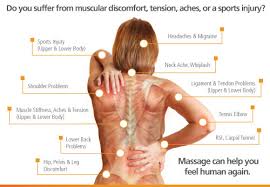
Massage Pain Myths
Many people believe that massages must hurt to work well. This idea can cause fear or hesitation before a session. It is important to understand the truth about massage pain. Not all pain during a massage means it is effective. Some pain myths can lead to discomfort or even injury.
Common Misconceptions
One common myth says a good massage always hurts. Some think pain is a sign of muscles being fixed. Others believe that pressure must be very strong. These ideas are not true for everyone. Some people feel relief with gentle touch. Pain does not always equal progress. Everyone’s body reacts differently to pressure.
Why Pain Isn’t Always Necessary
Massage aims to relax muscles and improve blood flow. Pain can cause tension, making muscles harder to relax. Gentle pressure can release tightness without pain. Therapists adjust their touch to suit each person. Communication with your therapist helps avoid pain. A good massage should feel comfortable and soothing. Pain is not the only way to heal or relax muscles.
Types Of Massage Pressure
Massage pressure varies widely. It depends on the type of massage and your needs. Pressure can be light or deep. Each type affects your muscles differently. Knowing the differences helps you choose the right massage. It also prepares you for the sensations you might feel.
Some massages feel gentle and soothing. Others may feel firm or intense. Both types have benefits. Understanding pressure types helps you relax and enjoy your session.
Light Vs Deep Tissue
Light pressure massages use soft, gentle strokes. They help with relaxation and stress relief. These massages improve blood flow without causing pain. People with sensitive skin or injuries often prefer light pressure.
Deep tissue massages use strong, focused pressure. They target deeper muscle layers and knots. This type helps with chronic pain and tight muscles. It may cause some discomfort but should not be painful. Deep pressure can release tension and improve mobility.
When Pressure Causes Discomfort
Some discomfort during massage is normal. It can mean the muscles are tight or sore. But sharp or intense pain is a warning. Tell your therapist if the pressure hurts too much. They can adjust the strength to suit you.
Good communication ensures a safe and pleasant massage. Therapists want to help, not hurt you. Never ignore pain or try to endure it silently. Your comfort matters most during any massage session.
Pain During Massage Explained
Pain during a massage can feel confusing. Some people expect it to hurt a lot. Others think it should never hurt. Understanding why pain happens helps you relax more. It also helps you know what to tell your massage therapist.
Massage pain is not the same as injury pain. It often comes from muscles that are tight or sore. The pain can mean your body is starting to heal. It is usually short-lived and gets better after the massage.
Muscle Release Sensations
Muscle release happens when tight muscles begin to loosen. This process can cause a deep, aching feeling. The pain is a sign that muscles are moving back to normal. It may feel uncomfortable but should not be sharp or intense. Your therapist works to ease the tension slowly and carefully.
Trigger Points And Tender Areas
Trigger points are small knots in muscles that cause pain. These spots feel tender or sore when pressed. Massaging trigger points helps reduce pain and improve movement. It can cause brief discomfort during the massage. This pain is often described as a dull ache or pressure. Your therapist can adjust pressure to keep pain at a safe level.

When Pain Signals A Problem
Massage therapy often involves some discomfort as muscles release tension. Yet, pain can sometimes mean something is wrong. Understanding when pain signals a problem helps protect your health. It guides you to stop or adjust the massage before harm occurs.
Sharp Or Intense Pain
Sharp or intense pain during a massage is a red flag. This type of pain is sudden and strong. It is different from normal pressure or mild discomfort. Sharp pain may indicate injury or nerve irritation. Stop the massage immediately if you feel this kind of pain. Tell your therapist so they can change their technique.
Post-massage Soreness Vs Injury
Soreness after a massage is normal. It feels like mild muscle ache and lasts a day or two. This soreness happens because muscles work differently during the massage. Injury pain is stronger, lasts longer, and may worsen. It can cause swelling or bruises. Pay attention to how your body reacts after the massage. Seek medical advice if pain continues or gets worse.
Communicating With Your Therapist
Talking openly with your massage therapist helps make your session better. Clear communication ensures the massage feels good and meets your needs. Sharing your feelings during the massage helps avoid pain and discomfort. Your therapist wants to help you relax, not hurt you.
Expressing Discomfort
Speak up if the pressure feels too strong or painful. Saying “this hurts” is okay and important. Your therapist can change their technique to suit you. Don’t wait until the end to mention discomfort. It’s better to stop pain early to prevent injury.
Adjusting Pressure Safely
Your therapist knows how to adjust pressure safely. They can use lighter or firmer touch based on your feedback. Small changes can make a big difference in comfort. Trust your therapist but guide them with your words. This teamwork creates a healing and relaxing massage experience.
Benefits Of Comfortable Massage
Comfortable massages provide many benefits that improve body and mind. A massage should feel good, not painful. When pressure is gentle and relaxing, the body responds better. Comfort helps the muscles to release tension without causing stress. This allows the mind to relax deeply and the body to heal naturally.
Relaxation And Stress Relief
A comfortable massage calms the nervous system. It lowers stress hormones in the body. This helps reduce anxiety and improves mood. The gentle touch sends signals to the brain that it is safe. This triggers relaxation and peace. Many people feel less tired and more refreshed after a gentle massage.
Improved Circulation And Healing
Massage helps blood flow through tight muscles and tissues. Comfortable pressure opens blood vessels without pain. Better circulation brings more oxygen and nutrients to cells. This speeds up healing and reduces swelling. The body can repair faster and feel healthier. Comfortable massages support natural recovery in a safe way.
Tips For A Positive Massage Experience
Having a good massage depends on a few simple steps. These tips help you enjoy the session and feel better after.
Understanding what to expect and how to prepare is key. This way, the massage will be relaxing, not painful.
Choosing The Right Massage Type
Different massages suit different needs. Some are gentle, others focus on deep muscle work. Pick one that fits your body and pain level. Ask about Swedish massage for relaxation or deep tissue for tight muscles. Tell the therapist about your pain areas. This helps avoid discomfort during the massage.
Preparing Your Body And Mind
Rest well before your massage. Drink water to stay hydrated. Avoid heavy meals or alcohol beforehand. Try to clear your mind and relax. Deep breaths can help reduce tension. Share any health concerns with your therapist. This prepares both your body and mind for a positive experience.
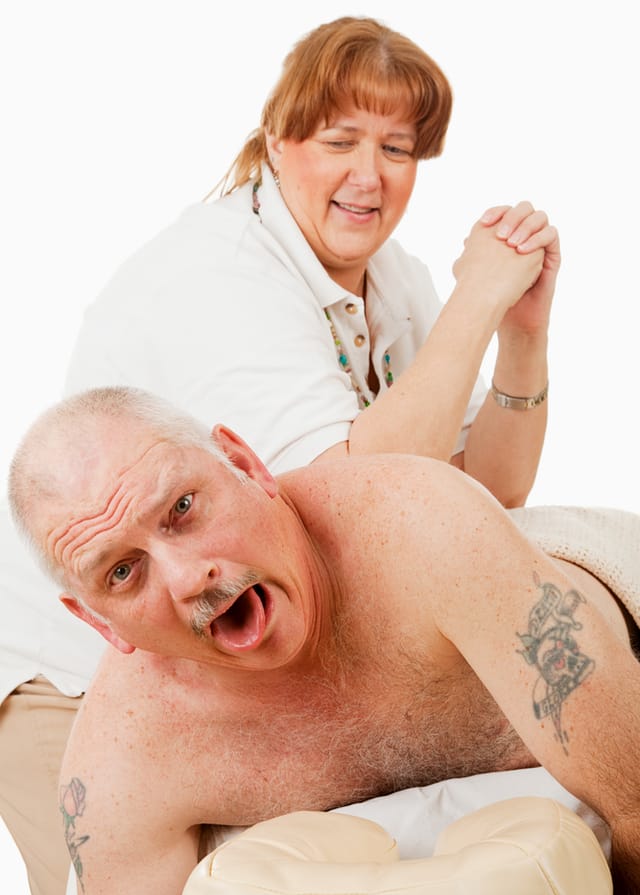
Frequently Asked Questions
Does A Massage Always Cause Pain?
No, massages should not always cause pain. Some discomfort can occur during deep tissue work, but a good massage targets tension without excessive pain.
When Is Massage Pain A Bad Sign?
Pain that feels sharp or persists after the session may indicate injury or improper technique. Always communicate discomfort to your therapist.
Can Massages Help With Muscle Soreness?
Yes, massages improve blood flow and reduce muscle soreness. They promote relaxation and speed up recovery from exercise or strain.
How To Tell If Massage Pressure Is Too Hard?
If pressure causes sharp pain or bruising, it is too hard. Effective massage feels firm but never unbearable or damaging.
Conclusion
Massage should not cause strong pain. Some discomfort can happen if muscles are tight. Always tell your therapist if pain is too much. Good massage helps your body relax and heal. It feels good, not hurtful. Trust your feelings and speak up.
Enjoy the calm and relief a massage brings. Your comfort matters most during every session.

Nora Whitfield
Contributing writer covering The world's #1 massage chair review and ratings site for all of your luxury massage chair needs..