Does Massage Help Pulled Muscles: Effective Relief Tips Revealed
Affiliate links — we may earn a commission
Have you ever pulled a muscle and wondered if massage could actually help you heal faster? When you’re dealing with that sharp pain and tightness, it’s natural to want quick relief.
You might have heard that massage can ease soreness, but does it really work for pulled muscles? Understanding how massage affects your body during recovery could make a big difference in how you feel—and how soon you get back to your daily activities.
Keep reading to discover the truth about massage and pulled muscles, so you can make the best choice for your healing process.
How Pulled Muscles Occur
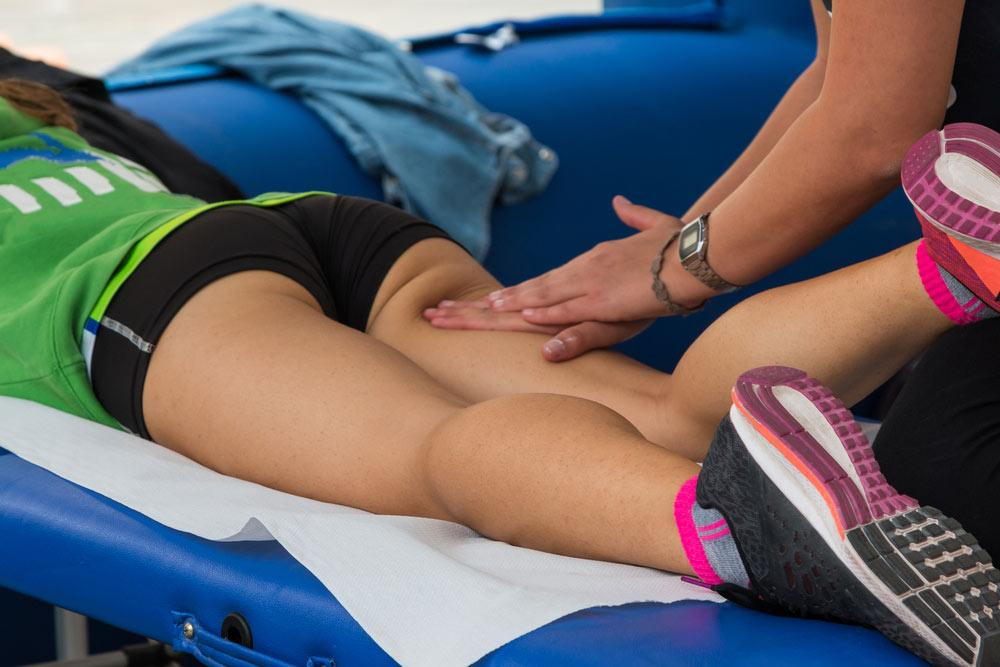
Understanding how pulled muscles occur helps in preventing and treating them. Pulled muscles happen when muscle fibers stretch too far or tear. This injury can range from mild to severe pain.
The muscle strain causes discomfort and limits movement. Knowing what causes this injury and recognizing symptoms early is important. It helps you take the right steps to heal faster.
Common Causes
Muscle strains often result from sudden movements. Lifting heavy objects without proper form stresses muscles. Overuse from repetitive actions can also lead to pulling.
Sports activities, like running or jumping, increase risk. Lack of warm-up before exercise makes muscles less flexible. Poor posture and weak muscles contribute to injury too.
Symptoms To Watch For
Sharp pain in the muscle area signals a possible strain. Swelling or bruising may appear around the injured spot. Muscle weakness or stiffness can limit your movement.
Some feel a popping sensation when the muscle tears. Tenderness when touching the muscle is common. Early attention to symptoms helps avoid worsening the injury.
Benefits Of Massage For Muscle Strain
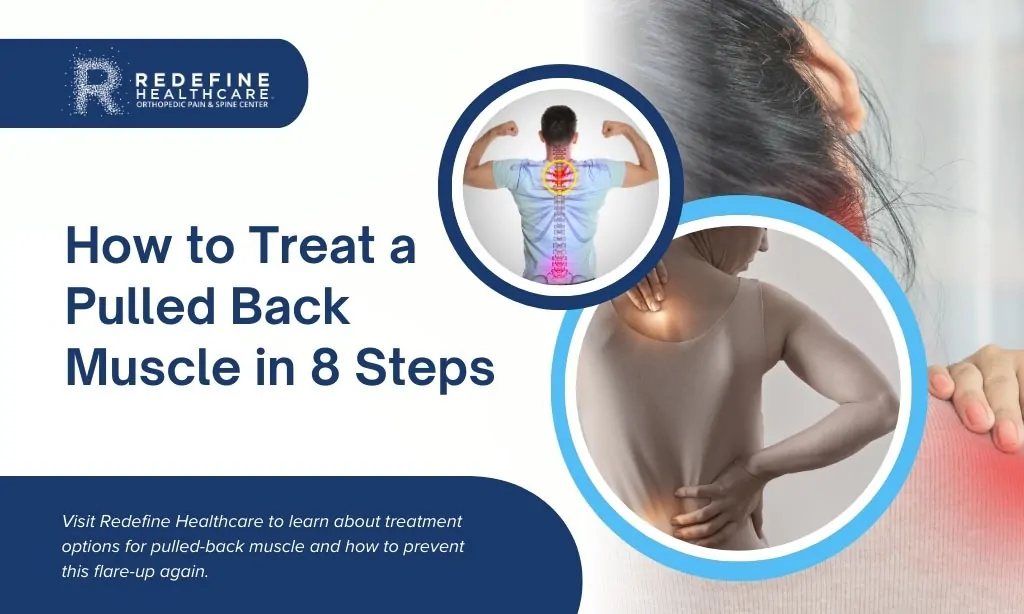
Massage offers several benefits for muscle strain. It helps ease pain and supports healing. Many people find relief through regular massage after a pulled muscle.
Understanding these benefits can help you decide if massage fits your recovery plan. Let’s explore how massage aids muscle strain healing.
Pain Reduction
Massage helps lower muscle tension and soothe soreness. It triggers the release of natural painkillers in the body. This reduces discomfort and makes movement easier. Gentle massage can calm the nerves around the injured area. It also helps reduce swelling, which lowers pain levels.
Improved Blood Flow
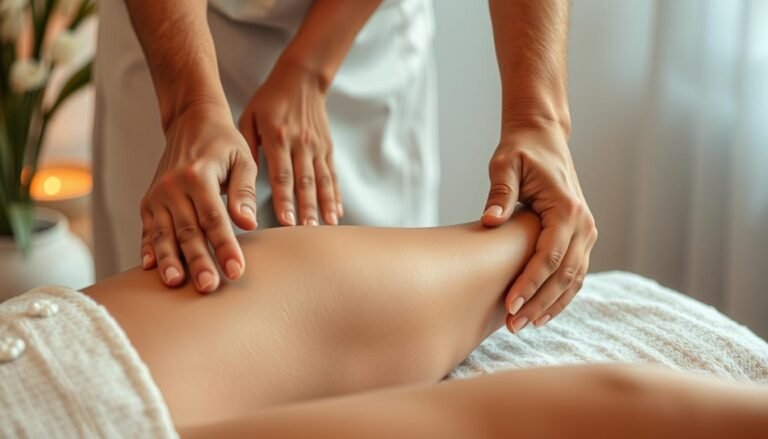
Massage increases circulation in the affected muscle. Better blood flow brings fresh oxygen and nutrients to the injury. This speeds up the healing process and clears out waste products. Enhanced circulation also helps reduce stiffness and improves flexibility.
Faster Recovery
Regular massage helps muscles heal faster by promoting tissue repair. It reduces scar tissue buildup and prevents tightness. Massage encourages relaxation, which supports overall recovery. This can shorten downtime and help you return to normal activities sooner.
Types Of Massage For Pulled Muscles
Massage therapy offers several ways to help heal pulled muscles. Different massage types target muscle pain and stiffness in unique ways. Choosing the right massage can speed recovery and ease discomfort.
Each massage technique focuses on specific layers of muscle and tissue. Some are gentle and relaxing, while others work deeper to relieve tension. Understanding these types helps find the best fit for your muscle injury.
Swedish Massage
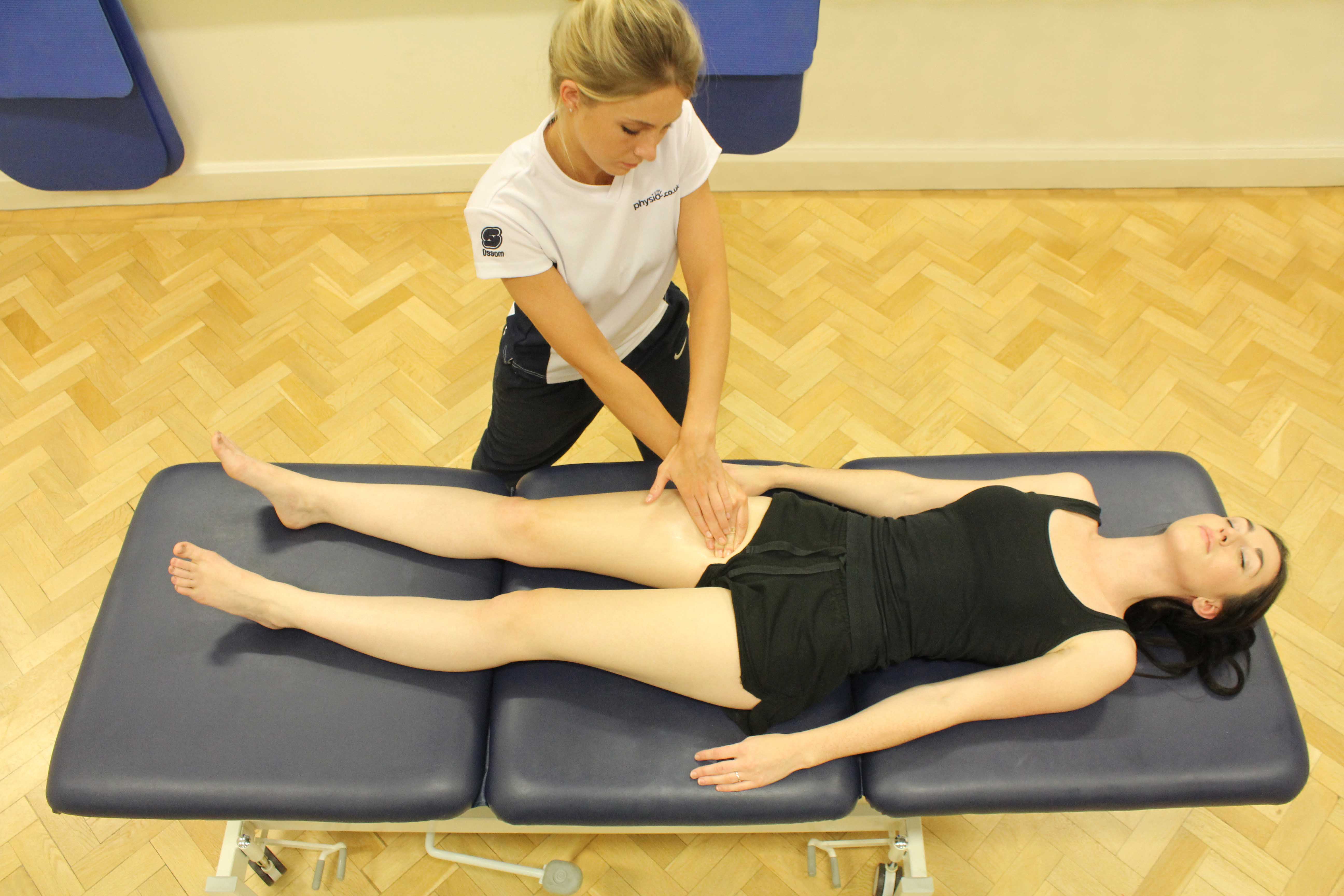
Swedish massage uses light to medium pressure. It helps improve blood flow to the injured area. This massage relaxes muscles and reduces stiffness. It also promotes healing by increasing oxygen to tissues. It works well for mild muscle strains and soreness.
Deep Tissue Massage
Deep tissue massage targets the deeper layers of muscle. It uses slow, firm strokes to break up tight knots. This technique relieves chronic muscle tension and pain. It helps realign muscle fibers after a pull. It suits more severe muscle injuries or ongoing pain.
Trigger Point Therapy
Trigger point therapy focuses on specific painful spots in the muscle. Applying pressure to these points releases tension and reduces pain. It helps relax muscle spasms and improve movement. This therapy is ideal for tight spots causing discomfort after a pull.
When To Avoid Massage
Massage can ease pain and speed healing for pulled muscles. Still, there are times when massage might do more harm than good. Knowing when to avoid massage helps protect your body and prevents worsening injuries.
Severe Injuries
Do not massage if the muscle injury is severe. Deep tears or broken bones need medical care first. Massage may increase bleeding or damage in these cases. Wait until a doctor says it is safe.
Inflammation And Swelling
Massage should be avoided if the area is very swollen or inflamed. Touching or pressing can make swelling worse. Rest, ice, and elevation help reduce inflammation better at first. Massage can come later when swelling goes down.
Underlying Health Conditions
Certain health problems can make massage risky. Blood clotting disorders, infections, or skin diseases need caution. Massage might spread infection or cause bleeding. Talk to a healthcare provider before massage if you have health issues.
Self-massage Techniques
Self-massage techniques can ease pain from pulled muscles. They help relax tight areas and boost blood flow. These methods work well at home without a therapist. Using simple tools and stretches can speed healing.
Try gentle pressure and slow movements. Avoid pushing too hard to prevent more harm. These easy steps support muscle recovery and reduce stiffness.
Using Foam Rollers
Foam rollers help loosen tight muscles. Roll slowly over the sore spot for 20 to 30 seconds. Stop if pain increases. This tool breaks down knots and improves circulation. Use it on large muscle groups like the thighs or back.
Handheld Tools
Handheld massage tools target small, hard-to-reach areas. Apply light pressure and move in circular motions. These tools can reach deep muscle layers. Choose ones with smooth or textured surfaces for variety. Use for about 5 minutes per area.
Simple Stretches
Stretching helps muscles stay flexible and reduces tension. Hold each stretch for 15 to 30 seconds. Focus on gentle, slow movements. Stretch the injured muscle without causing sharp pain. Regular stretching supports healing and prevents new injuries.
Additional Relief Tips
Managing a pulled muscle takes more than just massage therapy. Several simple steps can help speed up healing and ease pain. These tips support your body’s recovery and reduce discomfort.
Rest And Ice
Rest is vital to avoid worsening the injury. Give your muscle time to heal. Applying ice reduces swelling and numbs pain. Use ice packs for 15 to 20 minutes every few hours. Avoid heat in the first days after the injury.
Proper Hydration
Drinking enough water helps muscles recover faster. Water flushes out toxins and keeps muscles flexible. Aim to drink at least eight glasses of water daily. Avoid sugary or caffeinated drinks that can dehydrate you.
Gradual Exercise
Start light exercises once pain decreases. Gentle stretches improve blood flow and flexibility. Avoid sudden or intense movements that strain the muscle. Slowly increase activity as your muscle gets stronger. This prevents stiffness and helps full recovery.
When To See A Professional
Knowing when to see a professional for a pulled muscle is very important. Some muscle pains heal with rest and massage. Others need expert care to avoid more damage.
Pay attention to your body. Certain signs show that professional help is necessary. These signs protect you from making the injury worse.
Persistent Pain
Pain that lasts more than a few days is a warning. Normal muscle soreness fades with rest. If pain stays or grows stronger, see a professional. Persistent pain may mean a deeper injury.
Limited Mobility
Difficulty moving the injured area is serious. A pulled muscle should allow gentle movement soon after injury. If you cannot move the muscle without sharp pain, consult a specialist. Limited mobility can slow healing and cause stiffness.
Recurring Injuries
Pulling the same muscle repeatedly means something is wrong. Weak muscles or poor recovery cause repeated injuries. A therapist can find the cause and offer proper treatment. Avoid long-term problems by addressing recurring pain early.
Frequently Asked Questions
Does Massage Reduce Pain From Pulled Muscles?
Massage helps reduce pain by improving blood flow and relaxing tight muscle fibers. It can ease muscle stiffness and speed recovery when done gently and correctly.
When Should I Start Massaging A Pulled Muscle?
Begin massage 48 to 72 hours after injury, once swelling decreases. Early gentle massage aids healing, but avoid deep pressure until acute pain subsides.
Can Massage Prevent Muscle Injuries Like Pulls?
Regular massage improves muscle flexibility and circulation, reducing injury risk. It helps muscles recover faster after exercise, lowering chances of pulls.
What Massage Techniques Help With Pulled Muscles?
Techniques like Swedish massage, gentle kneading, and myofascial release ease tension and improve healing. Avoid aggressive deep tissue massage initially to prevent further damage.
Conclusion
Massage can ease pain and speed up healing in pulled muscles. It helps relax tight areas and improves blood flow. Regular gentle massage may reduce swelling and stiffness. Still, avoid deep pressure on fresh injuries. Rest and proper care remain important alongside massage.
Always listen to your body’s signals during recovery. Combining massage with stretching aids muscle repair. Small steps lead to better muscle health. Massage supports healing but does not replace medical advice. Stay patient; healing takes time and care.

Nora Whitfield
Contributing writer covering The world's #1 massage chair review and ratings site for all of your luxury massage chair needs..