How to Massage Hip Flexor: Expert Tips for Quick Relief
Affiliate links — we may earn a commission
Are you feeling tightness or discomfort around your hips? Your hip flexors might be the cause.
These muscles play a key role in your movement, but they often get tight from sitting too long or intense workouts. Learning how to massage your hip flexor can bring fast relief, improve your mobility, and help you feel better every day.
Keep reading to discover simple, effective techniques you can do yourself to unlock your hips and boost your comfort. Your body will thank you.
Hip Flexor Anatomy
The hip flexors are a group of muscles that help lift your knee and bend at the waist. These muscles connect the lower spine and pelvis to the upper thigh bone. They play a big role in walking, running, and sitting.
Understanding these muscles helps you know where to massage and how to relieve tightness. The hip flexors work together with other muscles to keep your hips flexible and strong.
Key Muscles Involved
The main hip flexor muscle is the iliopsoas. It has two parts: the psoas major and the iliacus. These muscles attach from the lower back and pelvis to the thigh bone.
The rectus femoris is another important muscle. It is part of the quadriceps and helps bend the hip and straighten the knee. The sartorius muscle also assists by running across the thigh.
Common Causes Of Hip Flexor Tightness
Sitting for long hours can cause the hip flexors to become tight. This happens because the muscles stay in a shortened position for too long.
Overuse during activities like running or cycling can also lead to tightness. Poor posture and weak core muscles add extra strain on the hip flexors.
Injuries or muscle imbalances may cause pain and limit movement in the hip area.
Benefits Of Hip Flexor Massage
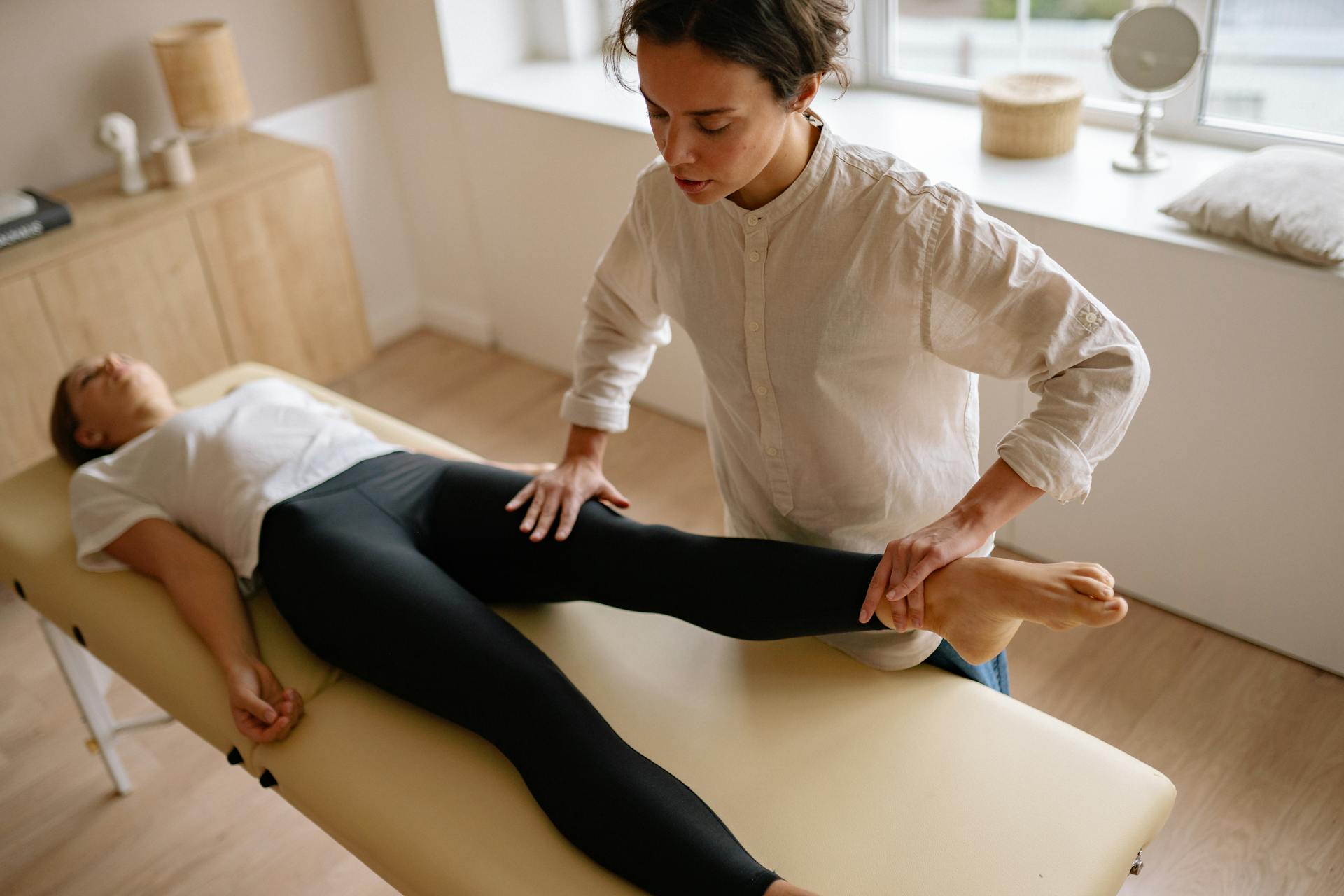
Massaging the hip flexors can bring many health benefits. These muscles play a key role in movement and posture. Regular massage helps keep them healthy and strong.
Hip flexor massage eases muscle tightness and improves overall comfort. It supports better motion and can speed up recovery from strain.
Improved Flexibility
Massage loosens tight hip flexors. This increases the range of motion in your hips. Better flexibility helps you move more freely and reduces injury risks.
Pain Reduction
Massage reduces soreness in the hip flexor area. It calms muscle spasms and lowers discomfort. Pain relief helps you stay active and feel better daily.
Enhanced Blood Flow
Massage stimulates blood circulation in the hip region. More blood flow means better oxygen and nutrient delivery. This supports faster healing and muscle health.
Preparing For The Massage
Preparing for a hip flexor massage sets the stage for a more effective and relaxing experience. Taking time to create the right conditions helps your muscles loosen up faster. It also makes the massage more comfortable and enjoyable.
Choosing The Right Environment
Pick a quiet and warm room to avoid distractions. Soft lighting helps your body relax. Clear the space around you to have plenty of room to move. Play calm music if it helps you feel at ease. Make sure the temperature is comfortable, not too hot or cold.
Tools And Oils To Use
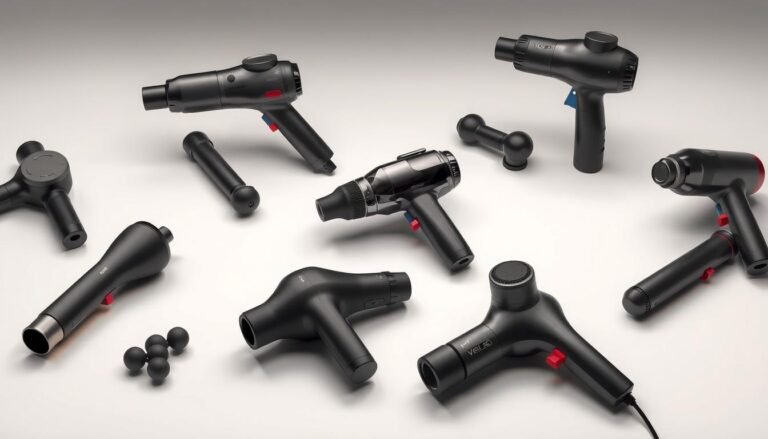
Use a massage oil or lotion to reduce friction on the skin. Coconut oil and almond oil work well for most people. Avoid oils that cause allergic reactions. Keep a massage ball or foam roller nearby for deeper muscle work. Have a towel or cloth ready to wipe excess oil or sweat.
Massage Techniques
Massage techniques for the hip flexor help reduce tightness and pain. These methods improve blood flow and increase flexibility. Use gentle to firm pressure to relax the muscles. Each technique targets different layers of muscle tissue. Follow these steps for a safe and effective massage.
Warm-up Strokes
Start with light strokes to warm the hip area. Use your palms or fingertips in slow, circular motions. Move along the hip flexor muscle from the pelvis to the thigh. This warms the tissue and prepares it for deeper work. Keep the pressure gentle to avoid discomfort.
Deep Tissue Massage
Apply firm pressure to reach deeper muscle layers. Use your thumbs or knuckles to press into tight spots. Move slowly and focus on areas that feel tense or sore. This helps break down knots and release muscle tightness. Stop if you feel sharp pain.
Trigger Point Release
Identify small, tender spots in the hip flexor muscle. Apply steady pressure on these points for about 20 seconds. Use your fingers or a massage tool to hold the pressure. This reduces muscle spasms and eases pain. Release slowly and repeat if needed.
Self-massage Steps
Self-massage of the hip flexor helps relieve tightness and improve movement. It can reduce pain from sitting too long or exercise strain. Follow simple steps to massage safely and effectively at home.
Positioning Yourself Correctly
Find a quiet space to lie down or sit comfortably. Use a yoga mat or soft surface for support. Bend the knee on the side you want to massage. This position relaxes the hip flexor muscles.
Place a small pillow or towel under your lower back. This helps keep your spine in a neutral position. Keep your body relaxed to avoid extra tension during massage.
Applying Pressure Safely
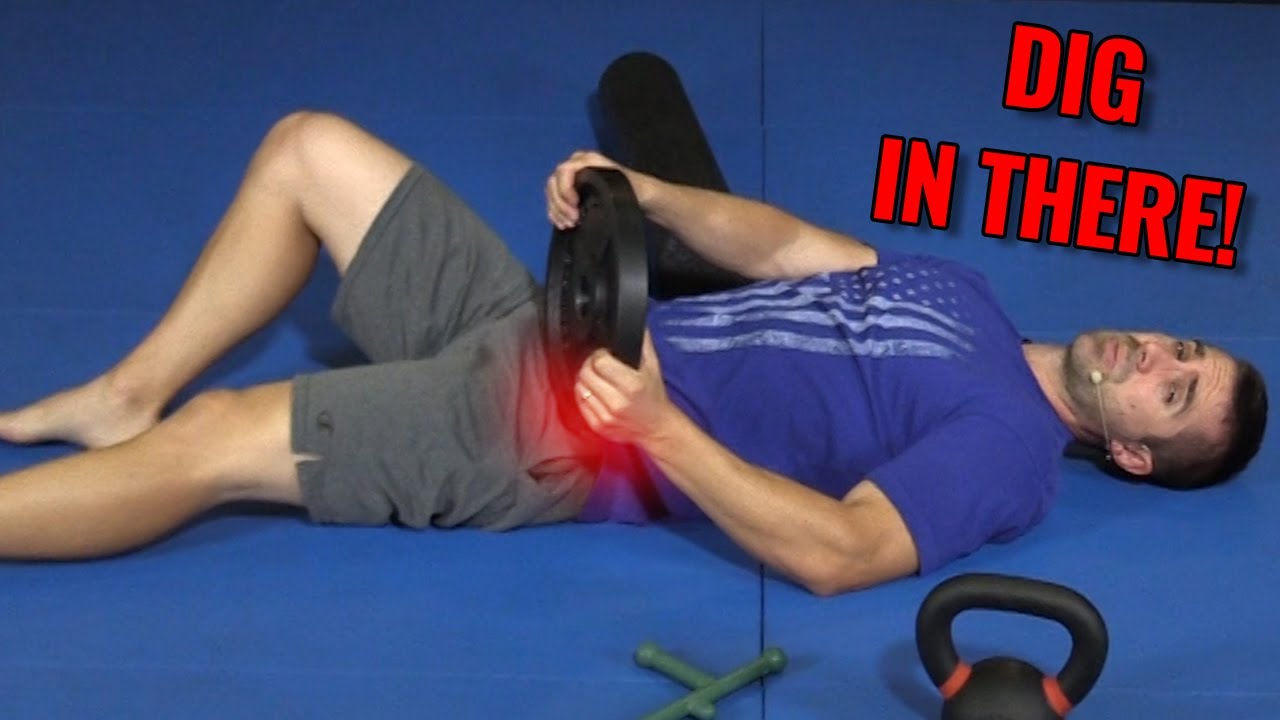
Use your fingers or a massage ball to press gently on the hip flexor area. Start with light pressure and increase slowly. Avoid pressing directly on bones or joints.
Move in small circles or gentle strokes to loosen tight muscles. Stop if you feel sharp pain or discomfort. Breathe deeply to help your muscles relax during massage.

When To Seek Professional Help
Knowing when to seek professional help for hip flexor pain is very important. Some injuries need expert care. Ignoring serious signs can make the problem worse. Understanding these signs helps you act fast. A trained therapist can offer the right treatment and advice.
Signs Of Serious Injury
Severe pain that does not improve is a warning sign. Swelling or bruising around the hip needs attention. Difficulty moving the leg or hip is serious. Numbness or tingling in the leg can signal nerve issues. If pain follows a fall or accident, seek help immediately. These signs mean the injury might be worse than a simple strain.
Benefits Of A Professional Therapist
A professional therapist knows how to assess your hip flexor injury. They use safe massage techniques that speed up healing. Therapists can find the exact cause of your pain. They create a treatment plan made just for you. This helps prevent further injury and improves recovery time. Experts also teach exercises to strengthen your hip safely.
Additional Tips For Hip Flexor Relief
Relieving tight hip flexors needs more than just massage. Simple habits can help your hips feel better faster. These tips support the massage and keep your hips flexible. Healthy hips improve movement and reduce pain in daily tasks.
Stretching Exercises
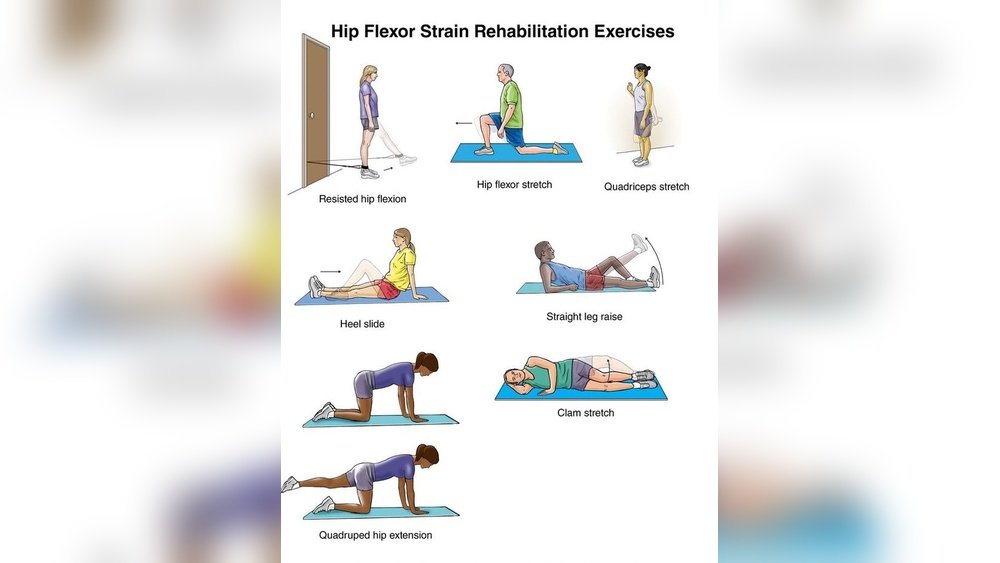
Stretching loosens tight hip flexor muscles. Try lunges and butterfly stretches. Hold each stretch for 20 seconds. Repeat 2 to 3 times daily. Stretching helps increase blood flow. It also improves hip flexibility and reduces stiffness.
Heat And Cold Therapy
Heat relaxes muscles and eases pain. Use a warm towel or heating pad for 15 minutes. Cold therapy reduces swelling and numb soreness. Apply an ice pack wrapped in cloth for 10 minutes. Use heat before stretching and cold after activity.
Frequently Asked Questions
What Are The Benefits Of Hip Flexor Massage?
Hip flexor massage improves blood flow, reduces muscle tightness, and relieves pain. It enhances flexibility and aids recovery after exercise or injury, boosting overall hip mobility and comfort.
How Often Should I Massage My Hip Flexors?
Massage your hip flexors 2-3 times a week for optimal results. Consistency helps reduce stiffness and prevents injury, especially if you have a sedentary lifestyle or intense workouts.
Can Hip Flexor Massage Help With Lower Back Pain?
Yes, massaging the hip flexors can relieve lower back pain. Tight hip flexors often cause pelvic misalignment, leading to discomfort in the lower back.
What Techniques Are Best For Hip Flexor Massage?
Use deep tissue, trigger point, and myofascial release techniques for hip flexor massage. These methods target tight muscles, improve circulation, and reduce soreness effectively.
Conclusion
Massaging your hip flexors helps reduce tightness and pain. It improves blood flow and eases muscle tension. Regular care can boost your hip flexibility and comfort. Take your time and be gentle during the massage. Small steps lead to better movement and less discomfort.
Keep practicing to feel gradual, positive changes. Your hips will thank you for the attention. Simple self-care can make a big difference every day.

Nora Whitfield
Contributing writer covering The world's #1 massage chair review and ratings site for all of your luxury massage chair needs..