Where to Massage for Sciatica: Effective Relief Points Revealed
Affiliate links — we may earn a commission
If you’re struggling with sciatica pain, you know how much it can disrupt your daily life. Finding the right spot to massage can make a huge difference in easing that sharp, burning sensation down your leg.
But where exactly should you focus your massage to get the best relief? You’ll discover the key areas to target and simple techniques you can try right now. By the end, you’ll have a clear plan to help reduce your discomfort and get back to feeling like yourself again.
Keep reading—you deserve relief.
Sciatica Basics
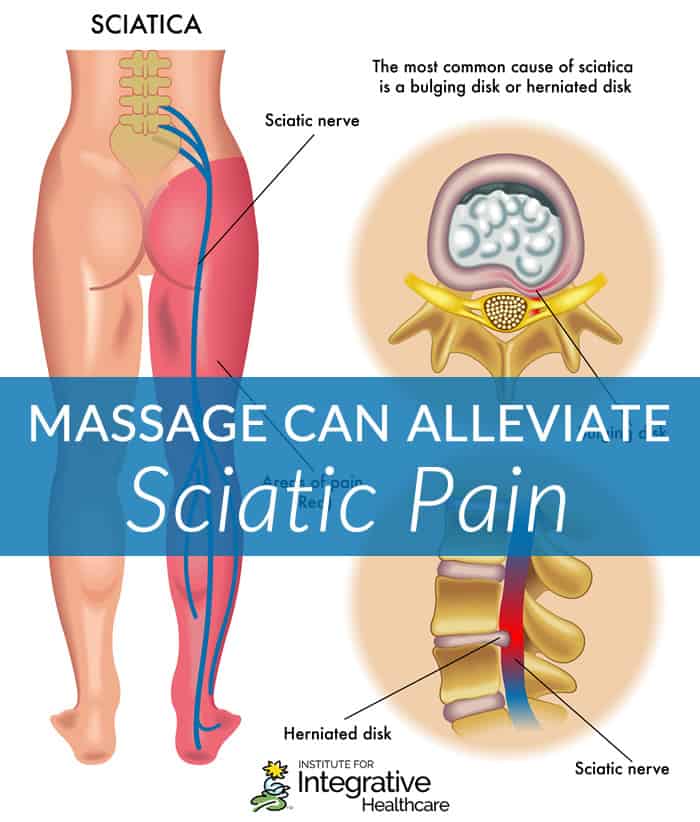
Sciatica is a common condition that causes pain along the sciatic nerve. This nerve runs from the lower back down to the legs. Understanding the basics helps you know where to massage for relief.
Massage can ease tension and improve blood flow. Knowing the cause and symptoms is key to targeting the right areas.
What Causes Sciatica Pain
Sciatica pain starts when the sciatic nerve is pinched or irritated. This can happen from a slipped disc in the spine. Sometimes, muscles in the lower back or buttocks press on the nerve. Injuries, poor posture, and long sitting hours also cause irritation.
Symptoms And Areas Affected
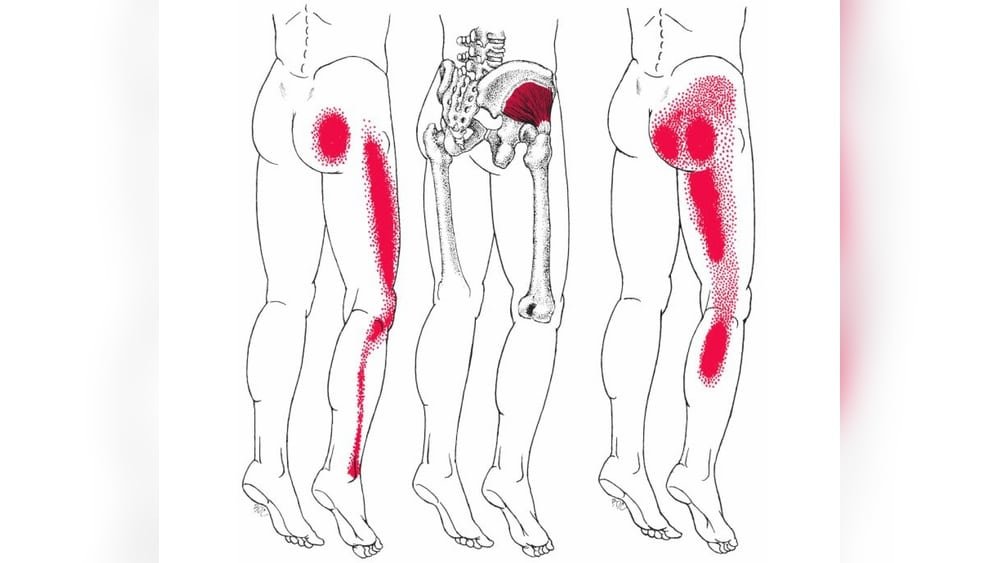
Pain usually begins in the lower back and moves down the leg. Some feel sharp pain, others a burning or tingling sensation. Numbness and weakness can occur in the leg or foot. The buttocks, thigh, and calf are common areas affected by sciatica.
Key Massage Points
Massaging the right areas can help ease sciatica pain effectively. Targeting key points along the sciatic nerve reduces tension and improves blood flow. This boosts healing and lowers discomfort. Focus on specific spots for best results.
These key massage points include the lower back, buttocks, hamstrings, thighs, calves, and feet. Each area plays a role in sciatic nerve health. Applying gentle pressure and slow strokes helps release tight muscles and soothe pain.
Lower Back Targets
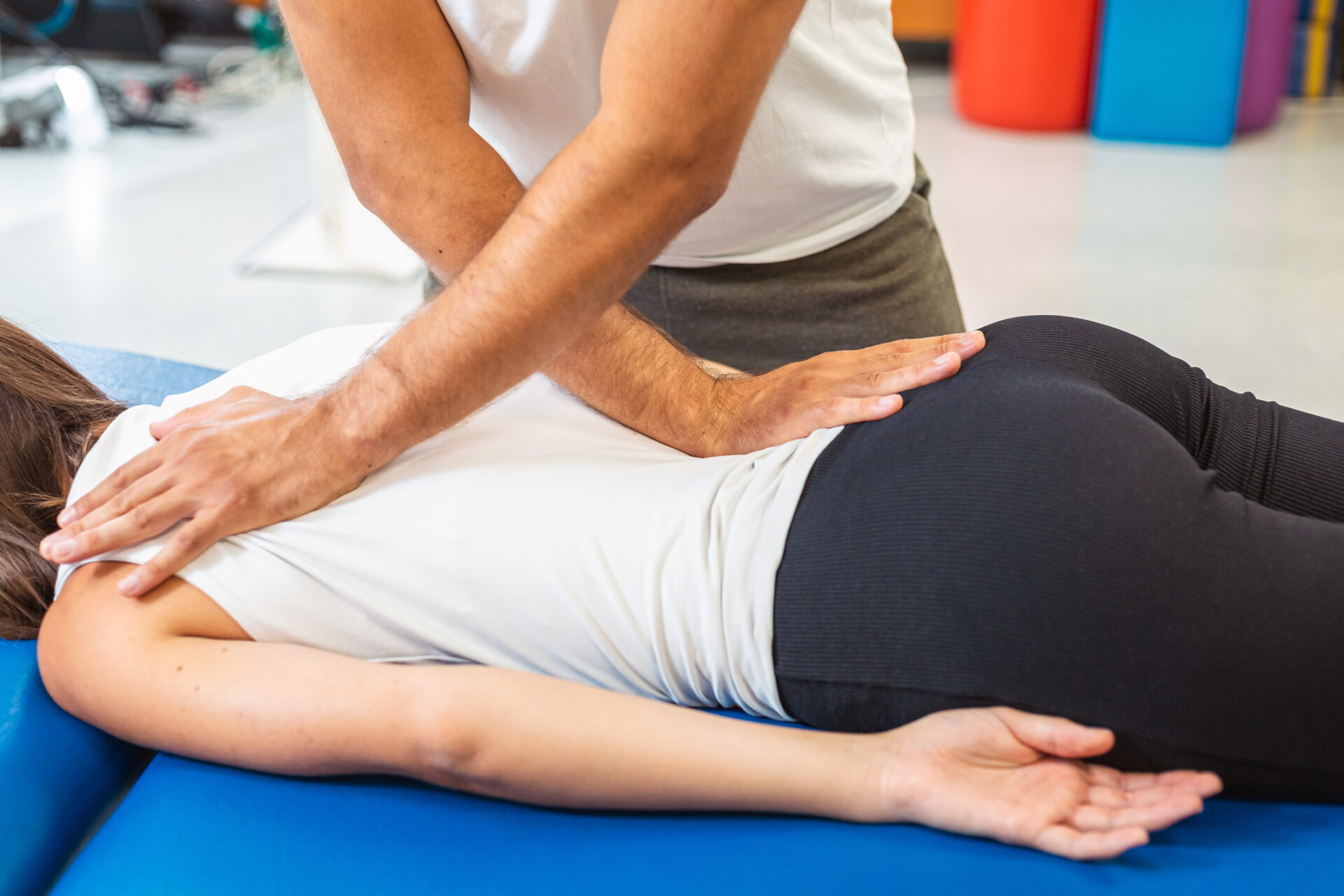
The lower back is the starting point for sciatic pain relief. Massage the muscles on either side of the spine. Use circular motions to loosen tight spots. Focus on the lumbar region where nerve roots exit. This reduces nerve pressure and eases discomfort.
Buttock Relief Spots
The buttocks hold the piriformis muscle, which can irritate the sciatic nerve. Apply firm pressure to the center of each buttock. Use thumbs or fingers to knead the muscle gently. This helps relax the area and relieve nerve pinching.
Hamstring And Thigh Areas
The hamstrings and thighs support the sciatic nerve pathway. Massage along the back of the thigh with long, sweeping strokes. Focus on tight or tender spots. This encourages muscle relaxation and eases nerve tension.
Calf And Foot Zones
The sciatic nerve extends down to the calves and feet. Massaging these zones reduces nerve irritation and improves circulation. Use your hands to knead calf muscles and rub the soles of your feet. This calms nerve endings and promotes comfort.
Techniques For Effective Massage
Massage can ease sciatica pain by relaxing muscles and improving blood flow. Using the right techniques helps target the root of the pain. Focus on areas near the lower back, hips, and legs. Apply pressure carefully and adjust based on comfort. Here are some effective massage methods for sciatica relief.
Deep Tissue Methods
Deep tissue massage uses slow, firm pressure to reach tight muscles. This method breaks up knots and reduces muscle tension around the sciatic nerve. It works well on the lower back and buttocks. Use fingers, knuckles, or elbows to apply pressure. Always move slowly and avoid causing sharp pain. Deep tissue massage helps release trapped nerves and eases stiffness.
Trigger Point Therapy
Trigger point therapy focuses on small, tight spots in muscles called trigger points. These points often cause pain that spreads along the sciatic nerve path. Press firmly on these spots for 20-30 seconds to release tension. This technique helps reduce referred pain and muscle tightness. It also improves blood flow and nerve function. Trigger point therapy can be done with fingers or massage tools.
Stretching And Mobilization
Stretching loosens tight muscles that press on the sciatic nerve. Gentle movements improve flexibility and reduce stiffness. Try slow hip and lower back stretches during or after massage. Mobilization involves moving joints carefully to restore normal motion. Both techniques ease pressure on nerves and improve circulation. Regular stretching and mobilization support long-term sciatica relief.
Precautions And When To Avoid Massage
Massage can help ease sciatica pain, but it is not always safe. Knowing when to avoid massage is important for your health. Some signs show that massage might cause more harm than good. Taking precautions can prevent injury and worsen pain.
Signs To Stop Massaging
Stop massage immediately if pain gets worse. Sharp, stabbing pain is a warning sign. Swelling or redness on the skin also means stop. Feeling numbness or tingling during massage is unsafe. Do not continue if you feel dizzy or faint. These signs show your body is not responding well.
Consulting A Healthcare Provider
Speak with a doctor before starting massage therapy. A healthcare provider can diagnose the cause of sciatica. They may suggest safer treatment options. Avoid massage if you have fractures or infections near the pain area. Always follow professional advice for best results and safety.
Additional Tips For Sciatica Relief
Sciatica pain can be tough to manage with massage alone. Adding other methods helps ease discomfort more effectively. These extra steps support healing and reduce pressure on the sciatic nerve. Follow these tips for better relief and comfort.
Complementary Exercises
Gentle stretching improves flexibility and reduces nerve pressure. Try simple moves like knee-to-chest stretches and pelvic tilts. Walking daily helps blood flow and eases stiffness. Avoid sudden or intense exercises that may worsen pain. Consistency matters more than intensity for sciatica relief.
Lifestyle Adjustments
Good posture reduces strain on your lower back. Sit with your back straight and feet flat on the floor. Avoid sitting for long periods without breaks. Use a firm mattress to support your spine during sleep. Maintain a healthy weight to lower pressure on nerves. Small changes in habits can bring big relief.

Frequently Asked Questions
Where Is The Best Place To Massage For Sciatica Relief?
The best place to massage for sciatica is the lower back, buttocks, and piriformis muscle. These areas often hold tension that irritates the sciatic nerve. Targeting these spots helps reduce pain and improve mobility effectively.
Can Massaging The Piriformis Help Sciatica Pain?
Yes, massaging the piriformis muscle can relieve sciatica pain. This muscle can compress the sciatic nerve when tight. Gentle massage helps relax it, reducing nerve pressure and easing discomfort in the lower back and legs.
How Often Should I Massage Sciatica-affected Areas?
Massaging sciatica-affected areas 2-3 times per week is ideal. Consistent massage promotes muscle relaxation and improves blood flow. Overdoing it may cause soreness, so moderation is key for effective relief.
Is Self-massage Effective For Sciatica Pain Relief?
Self-massage can be effective for mild sciatica pain. Using tools like foam rollers or tennis balls helps target tight muscles. However, severe pain may require professional massage therapy for better results.
Conclusion
Massaging specific areas can help ease sciatica pain. Focus on the lower back, hips, and legs. Gentle pressure may reduce tension and improve blood flow. Always listen to your body and avoid painful spots. Combining massage with stretches can bring better relief.
Consistency matters—regular sessions often work best. Talk to a healthcare provider before starting any new treatment. Take care of yourself, and be patient with the process. Relief is possible with the right approach and time.

Nora Whitfield
Contributing writer covering The world's #1 massage chair review and ratings site for all of your luxury massage chair needs..