
Why Does Massaging Sore Muscles Feel Good: Uncover the Science
Affiliate links — we may earn a commission
Have you ever wondered why massaging sore muscles feels so good after a long day or a tough workout? That soothing touch doesn’t just relax you—it actually helps your body heal and feel better in ways you might not realize.
When your muscles ache, a massage can bring quick relief and a wave of comfort that lifts your mood. Keep reading to discover the surprising reasons behind that feel-good sensation and how understanding this can help you take better care of your body.
Muscle Soreness Causes
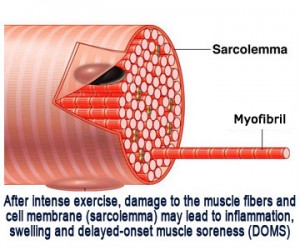
Muscle soreness happens after muscles work hard or get injured. It can feel stiff, tender, or achy. Understanding why muscles hurt helps us see why massage feels good. Muscles react to stress and damage in different ways. This causes the pain and tightness we feel.
Knowing what causes muscle soreness helps in choosing the best relief. It also helps avoid injuries by recognizing muscle limits. Muscles need time and care to heal properly. Massage can support this healing process by easing tension and boosting blood flow.
Types Of Muscle Pain
There are two main types of muscle pain. The first is acute pain from sudden injury. This pain is sharp and comes quickly. The second type is delayed onset muscle soreness, or DOMS. DOMS starts hours after hard exercise. It causes a dull, aching feeling. Both types need different care and attention.
How Muscles Respond To Stress
Muscles react to stress by getting tiny tears. These tears cause soreness and inflammation. The body sends blood and nutrients to fix the damage. This repair process makes muscles stronger over time. Stress also causes muscles to tighten and feel stiff. Massage helps relax muscles and reduce stiffness. It also improves blood flow, speeding up healing.
Massage Effects On Muscles
Massage has a powerful effect on sore muscles. It helps the muscles heal and feel better fast. By working on the muscles directly, massage improves how they work and reduces pain. Understanding these effects explains why massage feels so good after hard work or exercise.
Here are the main ways massage helps your muscles recover and relax.
Increased Blood Flow
Massage moves blood through the muscles. Better blood flow brings more oxygen and nutrients. These help muscles repair damage and reduce soreness. It also helps remove waste products that cause pain. Warm blood flow makes muscles feel softer and more relaxed.
Reduction Of Muscle Tension
Muscle tension causes stiffness and discomfort. Massage presses and stretches muscle fibers to ease tightness. This lowers muscle stiffness and improves movement. Relaxed muscles stop sending pain signals to the brain. The result is a calm, comfortable feeling.
Release Of Muscle Knots
Muscle knots are small, tight spots in muscles. They cause pain and limit movement. Massage breaks up these knots by applying steady pressure. This loosens the muscle fibers and restores normal muscle function. Releasing knots reduces pain and helps muscles work smoothly.
Pain Relief Mechanisms
Massaging sore muscles feels good because it triggers several pain relief mechanisms. These processes help reduce discomfort and promote healing. Understanding these mechanisms explains why massage eases muscle pain and tension.
Endorphin Release
Massage stimulates the body to release endorphins. These are natural painkillers made by the brain. Endorphins create a feeling of happiness and reduce pain signals. This helps you feel relaxed and less sore after a massage.
Blocking Pain Signals
Massage also blocks pain signals from reaching the brain. It works by stimulating nerves that send non-painful signals. These signals compete with pain signals and reduce their intensity. This makes the pain feel less strong and more manageable.
Impact On Nervous System
The nervous system reacts to massage by calming down. It lowers stress hormone levels and slows the heart rate. This calming effect reduces muscle tension and pain. The relaxed state helps muscles heal faster and feel better.
Psychological Benefits
Massaging sore muscles does more than ease physical pain. It also helps your mind feel better. The psychological benefits play a big role in why massage feels so good. It calms your thoughts and lifts your mood. Let’s explore some key mental benefits of massage.
Stress Reduction
Massage lowers stress hormones in your body. It slows down your heart rate and breathing. This helps you feel less tense and anxious. The gentle pressure of massage signals your brain to relax. Stress fades, and peace takes its place.
Improved Mood
Massage triggers the release of feel-good chemicals like serotonin. These natural mood boosters help reduce feelings of sadness. You may feel happier and more positive after a session. This effect lasts long after the massage ends.
Relaxation Response
Massage activates your body’s relaxation response. Your muscles loosen, and your mind quiets. This state helps you rest deeply and recover faster. Regular massage trains your body to relax more easily.
Scientific Studies And Findings
Scientists have studied why massaging sore muscles feels good. They want to know what happens inside the body. These studies show how massage helps reduce pain and speed up healing. The findings explain the science behind the relief and comfort massage provides.
Clinical Trials On Massage Therapy
Clinical trials test massage on people with sore muscles. These trials show massage lowers muscle pain and stiffness. Participants often report feeling less soreness after sessions. Some trials compare massage to no treatment or other therapies. Results usually favor massage for improving muscle comfort.
Research On Muscle Recovery
Studies on muscle recovery find massage helps muscles heal faster. Massage increases blood flow to the sore areas. Better circulation brings oxygen and nutrients that repair muscle tissue. Research also shows massage reduces swelling and clears waste products. These effects help muscles recover and feel better.
Neurochemical Changes
Massage causes changes in brain chemicals linked to pain and happiness. It raises levels of serotonin and dopamine, which improve mood. Massage also lowers cortisol, the stress hormone. These changes reduce pain signals and create a sense of calm. This explains why massage feels relaxing and soothing.
Practical Tips For Effective Massage
Massaging sore muscles helps reduce pain and stiffness. It also improves blood flow and relaxes tense areas. Knowing how to massage correctly makes the experience better and more effective.
Here are some practical tips to help you massage sore muscles safely and effectively.
Techniques To Try
Start with light strokes to warm up the muscle. Use your fingers or palms to apply gentle pressure. Try circular motions or long, smooth strokes along the muscle fibers. Use kneading motions to release tight spots. Adjust pressure based on your comfort. Stop if you feel sharp pain or discomfort.
When To Massage Sore Muscles
Massage sore muscles after a warm shower or bath. Warm muscles respond better to massage. Avoid massaging immediately after injury or intense exercise. Wait at least 24 hours to let inflammation reduce. Massage can be done daily for mild soreness. Limit sessions to 10–15 minutes to avoid irritation.
Precautions And Contraindications
Avoid massaging open wounds, bruises, or broken skin. Do not massage swollen or infected areas. People with blood clots or deep vein thrombosis should avoid massage. Check with a doctor if you have heart problems or skin conditions. Stop massage if you feel dizziness or increased pain. Use caution and gentle pressure for sensitive skin.

Frequently Asked Questions
Why Does Massaging Sore Muscles Relieve Pain?
Massaging sore muscles increases blood flow, which helps remove pain-causing toxins. It also relaxes muscle fibers, reducing stiffness and discomfort.
How Does Massage Improve Muscle Recovery?
Massage stimulates circulation, delivering oxygen and nutrients to muscles. This speeds up healing and reduces inflammation, aiding faster recovery after exercise or injury.
Can Massage Reduce Muscle Soreness After Workouts?
Yes, massage lowers delayed onset muscle soreness (DOMS). It decreases muscle tightness and promotes relaxation, making post-workout recovery more comfortable and quicker.
What Chemicals Are Released During Muscle Massage?
Massage triggers the release of endorphins and serotonin. These natural chemicals reduce pain perception and enhance mood, making the massage feel good.
Conclusion
Massaging sore muscles feels good because it helps ease pain and tension. It boosts blood flow, which speeds up healing. The touch also triggers your brain to release feel-good chemicals. This reduces stress and makes you feel relaxed. Massage helps muscles stay flexible and less tight.
It also improves your mood and sleep quality. That simple pressure can make a big difference in how you feel. So, massaging sore muscles is not just relaxing—it supports your body’s recovery too. A small self-care step with lasting benefits.

Nora Whitfield
Contributing writer covering The world's #1 massage chair review and ratings site for all of your luxury massage chair needs..