How to Get a Massage License: Step-by-Step Guide for Success
Affiliate links — we may earn a commission
Are you ready to turn your passion for helping others relax into a rewarding career? Getting a massage license is the key step that opens doors to exciting job opportunities and personal growth.
But where do you start? How do you make sure you meet all the requirements without wasting time or money? You’ll discover the clear, simple steps to earn your massage license quickly and confidently. Keep reading to unlock the secrets that will set you on the path to becoming a licensed massage therapist.
Massage Licensing Basics
Getting a massage license is an important step for those who want to work as professional massage therapists. It shows you have the skills and training to provide safe and effective care. Understanding the basics of massage licensing helps you prepare for the process and meet all legal requirements.
Types Of Massage Licenses
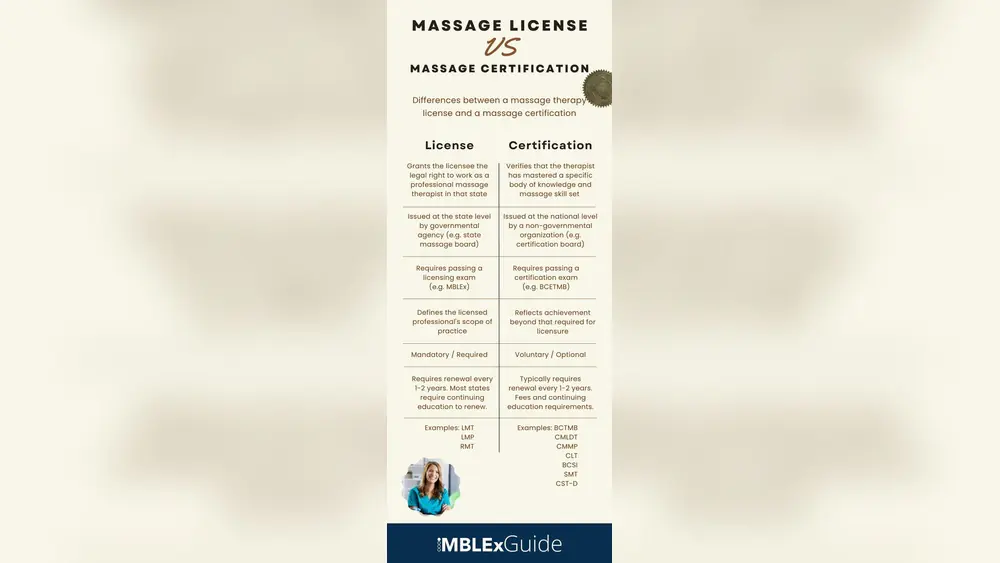
Massage licenses can vary by type and scope. Some common licenses include Certified Massage Therapist (CMT), Licensed Massage Therapist (LMT), and Registered Massage Therapist (RMT). Each license has different education and training needs. Some focus on general massage, while others allow special techniques.
State Requirements Overview
Every state sets its own rules for massage licensing. These rules cover education hours, exams, and background checks. Most states require a minimum number of training hours at an approved school. Passing a national or state exam is often necessary. States may also ask for liability insurance and ongoing education to keep the license active.

Educational Pathways
Getting a massage license starts with choosing the right education. The educational path shapes your skills and knowledge. It also prepares you for licensing exams. Schools offer various programs. These programs cover theory and practice. Understanding your options helps you make smart choices.
The quality of education affects your career. Good training builds confidence and competence. You learn about anatomy, techniques, and client care. Let’s explore the key parts of this journey.
Choosing A Massage School
Pick a school approved by state or national boards. Approved schools meet specific standards. They offer proper training hours and qualified instructors. Check if the school offers hands-on practice. Practical experience is important for skill development. Also, see if the school supports licensing exam preparation. Visit schools, ask questions, and compare programs. This helps find the best fit for your goals.
Required Coursework And Hours
Most states require 500 to 1,000 hours of training. The coursework includes anatomy, physiology, and massage techniques. You also learn about ethics and safety. Classes combine lectures with practical sessions. Some programs include internships or supervised work. Completing all required hours is essential for licensure. Keep track of your progress and certificates. This documentation is needed for your license application.
Certification Exams
Certification exams are a key step in earning a massage license. These exams test your knowledge and skills in massage therapy. Passing them shows you are ready to work as a professional. Each state may require different exams or certifications. Understanding the exam options helps you choose the right path.
Preparing For The Mblex
The Massage & Bodywork Licensing Examination (MBLEx) is the most common test. It covers topics like anatomy, physiology, and massage techniques. Study with practice tests and review guides. Focus on areas like ethics and client safety. Take time to learn key terms and concepts. Stay calm and rest well before the exam day.
Other Certification Options
Some states accept exams besides the MBLEx. The NCETMB and NCETM are two alternatives. These tests also check massage knowledge and skills. Check your state’s rules to see which exams apply. Choose the exam that fits your training and state laws. Preparing well improves your chances to pass quickly.
Application Process
The application process is an important step to get your massage license. It involves submitting the right forms and documents to the licensing board. Following each step carefully helps avoid delays and errors. Understanding this process makes it easier and faster.
Gathering Necessary Documents
Start by collecting all required documents. These usually include proof of education, identification, and exam results. Some states may ask for a background check or fingerprint report. Keep these papers organized and ready before applying. Double-check the list from your state’s licensing website.
Filling Out The Application
Complete the application form with clear and accurate information. Use black or blue ink if filling out by hand. Type applications online if available for better clarity. Make sure to answer all questions fully. Missing information can cause your application to be delayed or rejected.
Fees And Payment Methods
Most states require a fee to process your application. Check the exact amount on the licensing board’s website. Payment methods often include credit card, check, or money order. Some places accept online payments only. Keep your receipt as proof of payment until you get your license.
Background Checks And Legalities
Getting a massage license involves more than just training and exams. Background checks and legal rules play a big role. These checks help keep clients safe and ensure only trustworthy people get licensed. Understanding these rules will help you prepare and avoid delays.
Fingerprinting Requirements
Fingerprinting is a common part of the licensing process. Most states require you to submit your fingerprints. This helps the state check your criminal history accurately. You usually visit an authorized center to get fingerprinted. The results are sent directly to the licensing board. This step is important for identity verification and security.
Criminal Record Considerations
A clean criminal record is important for getting a massage license. Some minor offenses may not cause problems. Serious crimes, especially related to violence or drugs, can stop your application. Each state has different rules on which crimes disqualify you. Honesty on your application about past offenses is crucial. Some states allow you to explain your record or appeal decisions.
Maintaining Your License
Maintaining your massage license is crucial to keep practicing legally and safely. It shows you stay updated with the latest skills and rules. Every state has rules for license maintenance. Understanding these rules helps you avoid penalties or losing your license.
Continuing Education
Continuing education means taking classes after getting your license. These classes keep your skills fresh and improve your knowledge. Most states require a certain number of hours of education every year or two. Choose courses approved by your state’s licensing board. Topics often include new massage techniques and ethics. Keep records of your completed courses for renewal proof.
Renewal Procedures
Renewal means applying to extend your license before it expires. Each state sets a renewal period, usually every one or two years. You must submit a renewal form and pay a fee. Some states require proof of continuing education during renewal. Missing the deadline can lead to fines or suspension. Set reminders to renew your license on time. Follow your state’s website for specific rules and forms.
Career Tips For Licensed Massage Therapists
Starting a career as a licensed massage therapist opens many doors. Success depends on more than skills alone. Building a strong client base and connecting with others in the field matter a lot. These tips focus on practical ways to grow your career and find steady work.
Building Clientele
Clients are the heart of your massage business. Treat each person with care and respect. Word of mouth spreads fast when clients feel good about your service. Offer a consistent, relaxing experience to keep them coming back.
Consider loyalty programs or small discounts for repeat clients. Simple gestures encourage clients to book again. Make scheduling easy and be punctual. These habits build trust and show professionalism.
Networking And Professional Growth
Meet other massage therapists and health professionals in your area. Join local groups or online communities. Sharing advice and opportunities benefits everyone. Attend workshops and training to learn new techniques. This keeps your skills fresh and makes you more valuable.
Stay updated on industry trends and licensing rules. This shows clients you are serious about your work. Networking also opens doors to job offers and partnerships. Being active in your professional circle helps your career thrive.
Frequently Asked Questions
What Are The Basic Requirements For A Massage License?
To get a massage license, you must be 18 or older, complete required training, and pass a licensing exam. Requirements vary by state, so check local regulations before applying.
How Long Does It Take To Get A Massage License?
Getting a massage license typically takes 6 to 12 months. This includes completing training hours and passing exams. The timeline depends on the state and your study pace.
What Training Is Needed For Massage Licensing?
You must complete a state-approved massage therapy program with 500 to 1,000 hours of training. Courses cover anatomy, techniques, and ethics essential for licensing.
How Much Does A Massage License Cost?
Licensing fees vary by state but generally range from $100 to $300. Additional costs may include exam fees, background checks, and continuing education.
Conclusion
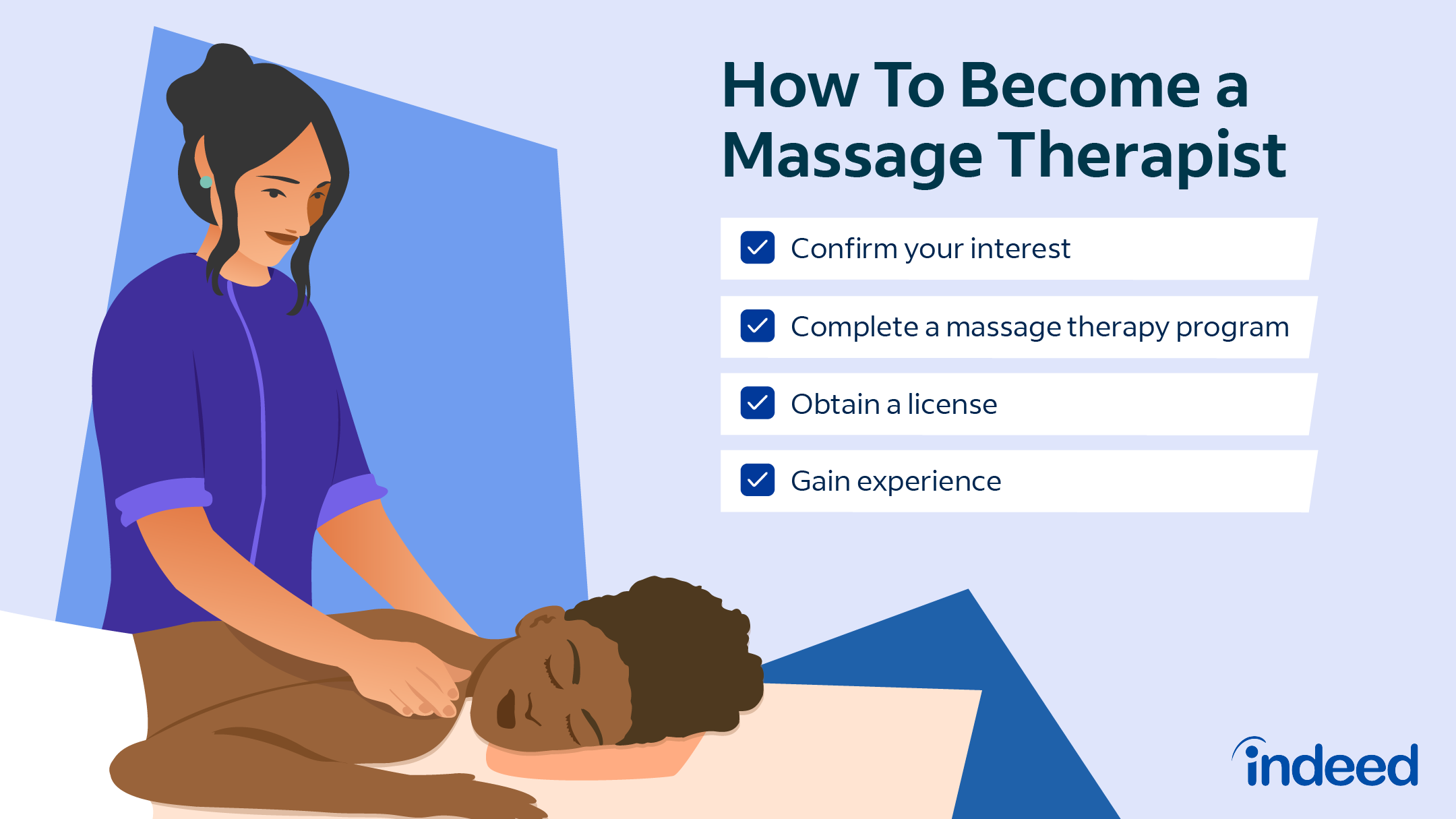
Getting a massage license takes clear steps and good planning. Start by completing the required training hours. Pass your state’s licensing exam with focus. Keep your knowledge fresh through continuing education. Follow all local rules and renew your license on time.
A massage license opens doors to a rewarding career. Stay patient and committed during the process. Your hard work will lead to success. Now, you have a clear path to becoming a licensed massage therapist.
Related massage chair reviews:
 Which Osaki Massage Chair is Best? 50 Osakis Tested and Reviewed!
 50 Best 4D Massage Chairs Reviewed by Real Customers 2026
 50 Best Ergonomic Massage Chairs Perfect for Tall Individuals Reviewed 2026
 The 45 Best Utopia 3d Massage Chair Rated for 2026
 Best Massage Chairs Under $2000: Your Relaxation Reviews for 2026
 The Best 35 Affordable Full Body Massage Chairs Under $1000 Reviewed